
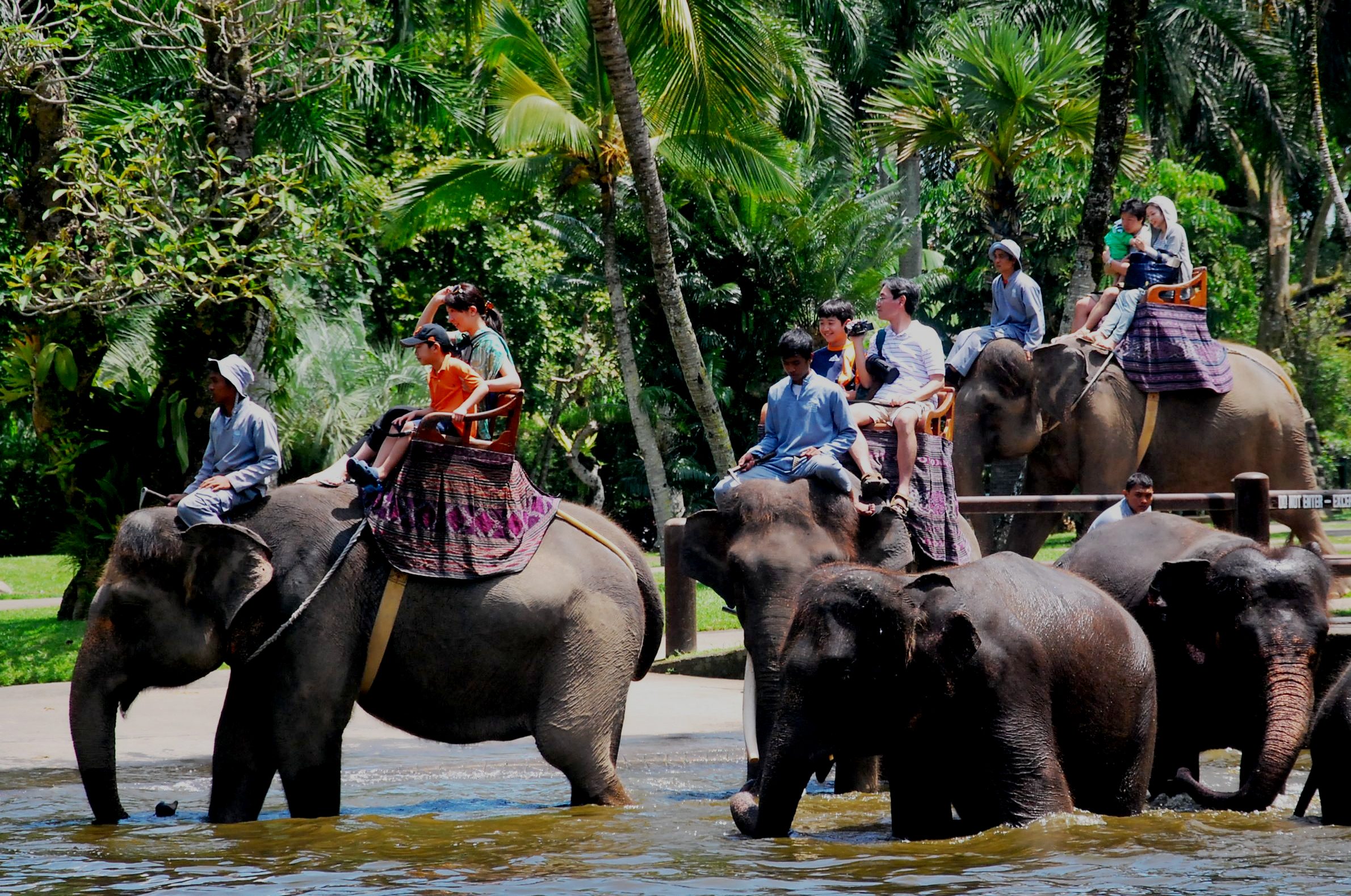

As you plan your next exotic getaway, Bali undoubtedly makes it to the top of the list. The island is replete with breathtaking vistas, lush landscapes, and a rich cultural tapestry. One of the unique experiences that many visitors indulge in is the elephant ride at the Bali Zoo. However, a nagging question looms in the minds of many concerned travelers: is this enchanting experience ethical or merely a form of entertainment?
Elephant rides have become a staple attraction in various tourist destinations, and Bali Zoo is no exception. With exotic flora and fauna surrounding you, the thrill of riding an elephant through the verdant landscape seems irresistible. But beneath the allure of this captivating experience lies a complex web of ethical considerations.
The elephants at Bali Zoo are, like many of their counterparts in captivity, trained for interaction with humans. Proponents argue that the rides provide vital income for the zoo, which, in turn, helps fund conservation efforts. The revenue generated supports the care of the animals, many of which have been rescued from challenging situations. This perspective paints a picture where human enjoyment and animal welfare can coexist harmoniously.
However, this argument poses a formidable challenge. Does the potential benefit to the elephants justify their use for amusement? Critics assert that the training methods employed can be harsh and traumatizing for the animals. Many elephants are subjected to rigorous training regimens that often prioritize performance over well-being. The troubling methods of coercive training—utilizing physical restraints and intimidation—come into question. Is the joy of a brief ride worth the psychological or physical cost to these magnificent creatures?
Furthermore, the very act of riding an elephant can be construed as an exploitation of these animals. The concept of entertainment derived from an intelligent, sentient being evokes discomfort for many. Elephants, known for their complex social structures, emotional depth, and mindfulness, may experience stress during the ride, leading one to ponder if such enjoyment is gained at the expense of the animal’s tranquillity.
Examining the implications of elephant rides compels us to evaluate our relationship with wildlife. In an increasingly interconnected world, our travel decisions carry more weight than ever. The allure of these rides is enveloped in a cloud of ethical dilemmas. So, is it truly responsible to participate in such practices? Is there an alternative form of tourism that respects vermin while still delivering memorable experiences?
Alternative wildlife experiences have surfaced in recent years that champion ethical practices. These programs emphasize observation rather than interaction, allowing individuals to appreciate elephants in their natural habitats. Such initiatives are gaining traction, prioritizing the welfare of the animal while also addressing the profound yearning many have for unforgettable animal encounters. Walking safaris or ethical wildlife tours enable visitors to connect with animals without compromising their dignity.
As individuals navigate their travel choices, the importance of conducting thorough research cannot be overstated. Seek out establishments that promote ethical treatment, those that are transparent about their animal programs and certified by reputable organizations. Look for experiences that aim for sustainability and engage the local community in conservation efforts. Opting for tours that channel resources back into safeguarding the wildlife ecosystem can lead to a more rewarding and conscientious journey.
It is imperative to challenge preconceptions about how we engage with wildlife while traveling. Every choice we make as consumers can influence future tourism trends. As you ponder your next adventure in Bali, take a moment to reflect on your values. Are you inclined to support enterprises that prioritize animal welfare, or do the thrills of entertainment hold a stronger appeal? This introspection can shape the type of experiences that flourish in the future.
The Bali Zoo’s elephant ride certainly epitomizes a moment of joy. Yet, this fleeting thrill can be juxtaposed with the potential repercussions felt by the noble animals that make it possible. By evaluating the ethical ramifications of our travel decisions, we can collectively push for a shift towards more compassionate tourism practices.
In conclusion, as travelers, we have the power to shape the narrative surrounding wildlife experiences. By advocating for ethical treatment and fostering awareness around animal welfare, we can redefine what it means to enjoy the beauty of nature. Your journey doesn’t have to clash with the well-being of its inhabitants—instead, it can pave the way for a more harmonious relationship between humans and wildlife.
So, the next time you’re daydreaming about a ride on an elephant in Bali, ask yourself: is it ethical or merely entertainment? The answer may just lead you to discover an even deeper connection with the world around you.
