
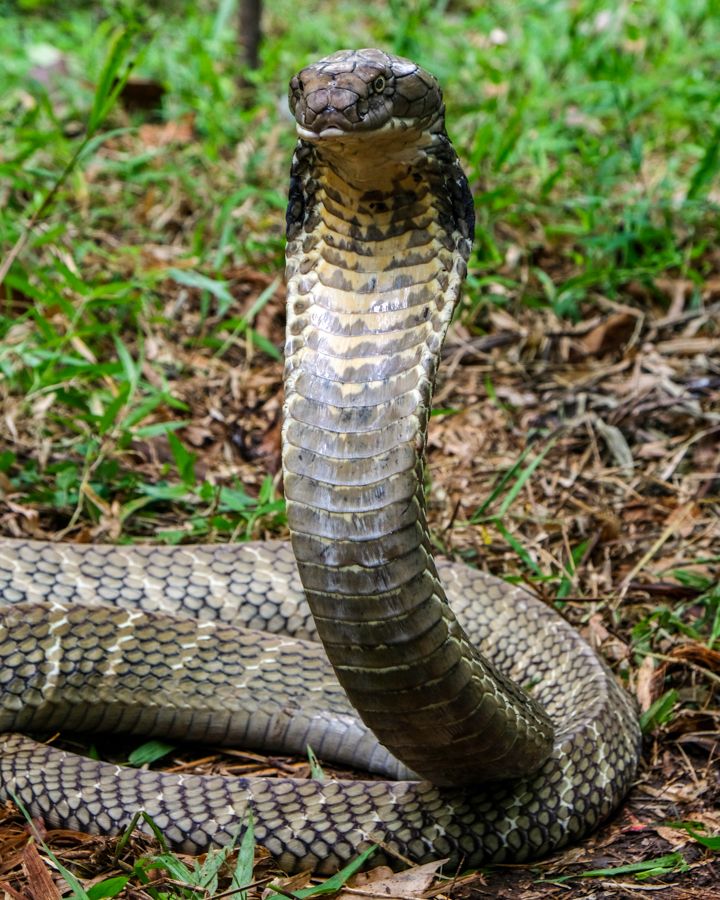

When travelers envision the tropical paradise that is Bali, images of stunning beaches, lush greenery, and vibrant culture spring to mind. However, there lies a curiosity that often leads to raised eyebrows and whispered conversations: are there truly snakes in Bali? In this extensive exploration, we’ll delve into the reality of snakes on this enchanting island, examining the myth, the facts, and everything in between.
The Myth of Serpents in Paradise
Bali is predominantly regarded as an idyllic escape for sun-seekers, adventurers, and culture enthusiasts alike. The idea of encountering snakes can evoke a sense of trepidation while simultaneously fascinating those intrigued by the natural world. It’s crucial to begin by acknowledging the roots of this myth. The fear of snakes, known scientifically as ophidiophobia, is prevalent among many, often accentuated by media portrayals and ominous tales passed down through generations.
This fear breeds misconceptions. Many believe that the island is crawling with dangerous serpents lurking behind every palm tree. However, the reality is more nuanced. While snakes do indeed inhabit Bali, the sheer probability of a tourist encountering one is quite low, particularly in urbanized or heavily trafficked areas.
The Real Deal: Types of Snakes Found in Bali
To understand the dynamics of snakes in Bali, one must consider the species that reside here. Bali is home to several snake species, both venomous and non-venomous. Let’s take a closer look.
- Green Tree Snake (Chysemys viridis): This non-venomous beauty is often seen in trees and can blend seamlessly into its lush environment. Its vibrant green color is a marvel of nature, providing it with excellent camouflage and making it a captivating sight for biology enthusiasts.
- Bali Cobra (Naja sputatrix): On the more perilous side of the spectrum lies the Bali Cobra. This venomous snake, known for its hood and swift strikes, is often a source of concern. However, encounters are rare, and the locals have a deep respect for its presence, often choosing to steer clear.
- Bamboo Pit Viper (Trimeresurus albolabris): Another venomous inhabitant, the Bamboo Pit Viper is primarily found in forested areas. It features striking coloration that assists in blending into its surroundings, making it difficult to spot for the untrained eye.
- Common Rat Snake (Ptyas mucosa): A prevalent species in agricultural areas, the Common Rat Snake often helps in controlling rodent populations. While not venomous, it plays an essential role in the ecosystem.
These species illustrate the biodiversity of the island and the existence of snakes, albeit in a less daunting light than popular belief suggests.
Places Snakes Might Be Found
When exploring Bali’s natural beauty, certain areas are more likely to be home to these reptiles. Dense forests, rice paddies, and rural areas could potentially host snake activity. However, tourists often frequent bustling markets, resorts, and beaches, which are not the typical environments for snake sightings.
If you seek to observe these creatures in their natural habitat, head towards the mountainous regions or the less developed rural areas, where the likelihood of encountering snakes is slightly higher. Note, however, that procedures for snake safety should be adhered to, steering clear of tall grass and underbrush during rambles in these regions.
Safety Measures and Myths
While the prospect of encountering a snake might instill fear, it’s essential to focus on education and awareness. Understanding the snake behavior is vital; many species, including the venomous ones, are generally more afraid of humans than we are of them. Most snakes will flee when they sense movement. Hence, maintaining a calm demeanor and a respectful distance is paramount.
In case of an unwanted encounter, knowledge of first-aid practices can be invaluable. While hospital access is relatively straightforward in urban centers, remote areas may lack immediate medical services. Be sure to carry a basic first-aid kit while trekking and familiarize yourself with emergency numbers.
Embracing the Natural World
Ultimately, the presence of snakes in Bali highlights the island’s rich biodiversity and the intricate balances of its ecosystems. Snakes, as much as they may provoke fear or fascination, play vital roles in maintaining the ecological health of their habitats. Seeing them as a intrinsic part of Bali’s natural landscape encourages a deeper appreciation for the environment and the wildlife within it.
As visitors revel in the sights, sounds, and experiences that Bali has to offer, embracing the surrounding wildlife—including its snakes—fosters a more profound connection to nature. The island is a vibrant tapestry of life, and each creature, regardless of how feared it may be, contributes to the allure and complexity of this beautiful destination.
In conclusion, while Bali does indeed host snakes, they seldom represent a true threat to the average traveler. With awareness, understanding, and respect for both the wildlife and the environment, a visit to Bali can remain an enchanting experience. So pack your bags, but don’t forget your open mind and curiosity to explore the wonders of this tropical paradise!
