
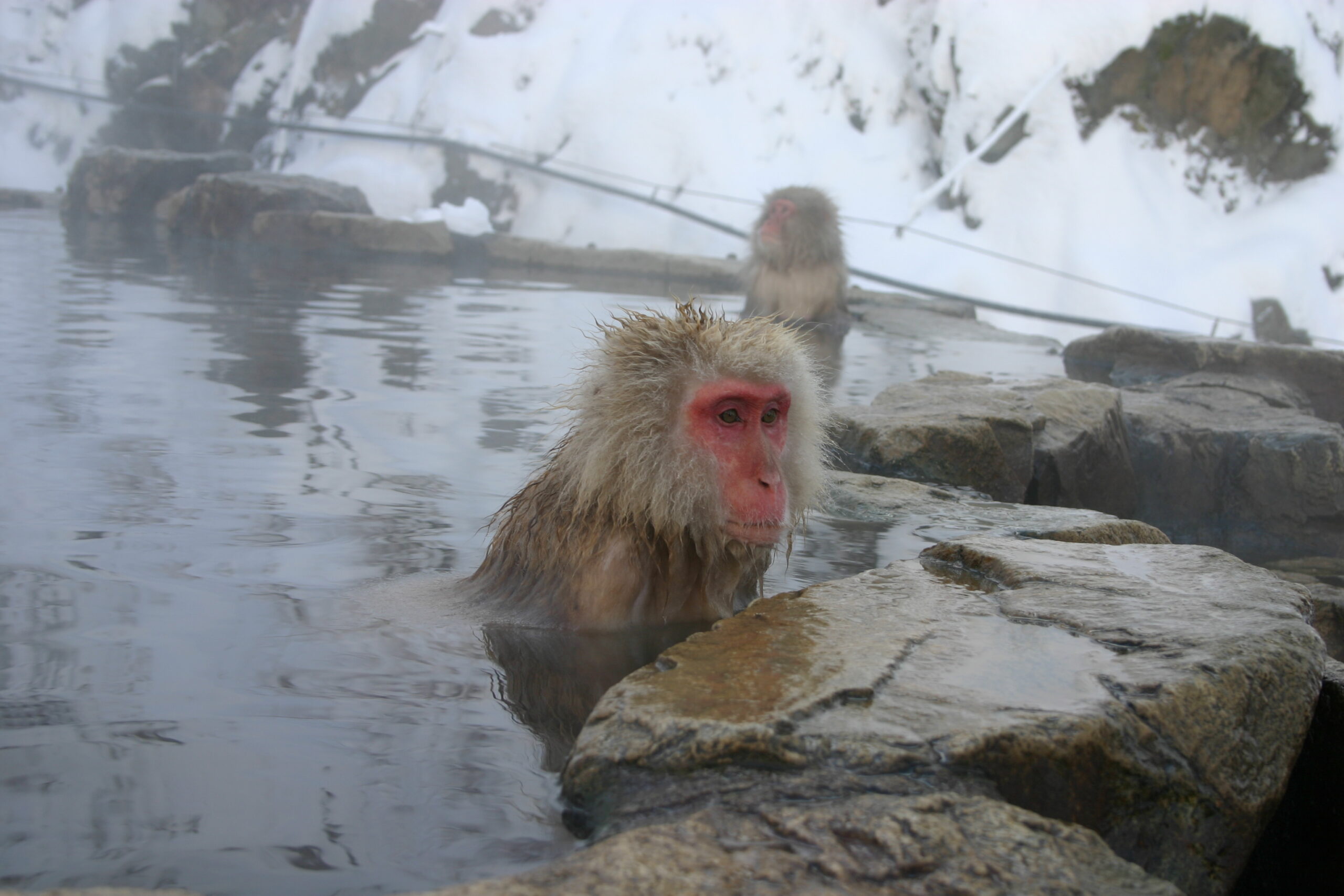

When it comes to Japan, few experiences evoke as much wonder and whimsy as observing the famous snow monkeys in the Japanese Alps while also soaking in the majestic vistas of Mt. Fuji. Both destinations are tantalizingly popular, yet many travelers often ponder this burning question: Can you visit both these iconic symbols of Japan in a single trip? The answer is a resounding yes, and embarking on this dual adventure may very well reshape your perception of this enchanting country.
To fully grasp the allure of visiting snow monkeys and Mt. Fuji, it’s essential to understand the geographical and cultural context that connects these two extraordinary destinations. Nestled in Nagano Prefecture, the Jigokudani Monkey Park is home to the wild Japanese macaques that have become globally renowned for their unique, often playful interactions with snow and hot springs. On the other hand, about 250 kilometers away, Mt. Fuji towers over the landscape, transcending mere geological marvel to become a cultural icon deeply entrenched in Japanese history, art, and spirituality.
The journey between these two locales is not only feasible but also an integral part of the travel experience. Start your adventure in the bustling metropolis of Tokyo, where you can easily hop on a shinkansen (bullet train) to Nagano. The ride is a symphony of breathtaking landscapes, giving travelers glimpses of rolling hills, traditional villages, and serene lakes. This high-speed journey prepares you for the wonder you’re about to encounter, laying the groundwork for a shift in your worldview.
Upon arriving in Nagano, don’t rush to the monkey park just yet. Allow yourself a moment to acclimate to the area’s charming ambiance. Local eateries boast culinary delights, including miso ramen and handmade soba noodles, which provide a delicious introduction to the region’s gastronomic offerings. Enjoy a leisurely lunch and absorb the tiny details—the wooden architecture, the sounds of bustling small shops, and the rich aroma of local delicacies wafting through the air. This grounding experience will enhance the ensuing adventure.
Next, venture to Jigokudani Monkey Park. The path to the monkey viewing area winds through a snow-laden forest, often reminiscent of a winter wonderland. This serene approach sets the stage for what awaits you. Witnessing the snow monkeys, particularly in winter, is a spectacle like no other. Their charming antics—whether they’re rolling in the snow, grooming one another, or warming themselves in natural hot springs—will undoubtedly ignite your curiosity and fill you with delight. This enchanting interaction with nature offers a profound realization: the simplicity of life can be both humorous and heartwarming.
Spend time observing the monkeys, but don’t forget to explore the surrounding area. The park itself is rich in flora and fauna, offering opportunities to see other wildlife and appreciate the beauty of the Japanese landscape. Knowledgeable guides often contribute invaluable insights about the behavior of the macaques, fostering an engaging dialogue about nature and conservation. This intersection of education and entertainment is a hallmark of Japanese culture—where every experience is imbued with a sense of curiosity and respect for the natural world.
After soaking in the whimsical atmosphere of the snow monkeys, it’s time to make your way to the legendary Mt. Fuji. The transition from the playful snow monkeys to the serene solemnity of this iconic mountain carries its own set of emotional weights. As you embark on the journey to Fuji, the landscape subtly shifts from woodland paradise to stunning mountain vistas. Those winding roads take you through picturesque towns, each with its unique character and charm, offering another layer to the cultural tapestry of Japan.
When you arrive at Mt. Fuji, prepare for a transformative experience infused with spirituality and reverence. On clear days, the view of Fuji is breathtaking, resplendently reflected in surrounding lakes or breaking through the clouds in a dramatic display that often inspires wonder. Take time to pause and breathe in the scenery—there is something inherently calming about being in the presence of such majestic natural beauty. Consider exploring the Fuji Five Lakes region, where tranquil reflections of the mountain against the water create a canvas worthy of any artist’s brush.
For those seeking a more immersive encounter, consider embarking on a hiking expedition. Mt. Fuji’s trails, ranging from leisurely walks to demanding climbs, allow you to engage with the mountain at your own pace. Each step up the slopes elevates your perspective—not just in altitude, but in appreciation for the natural wonders that Japan has to offer. Whether you choose to conquer the summit or simply stroll along the lower trails, the experience promises to be enlightening.
Additionally, the cultural significance of Mt. Fuji cannot be understated. This mountain has historically been a muse for countless artists and poets. Visiting nearby shrines and engaging with local customs can deepen your understanding of the spiritual connections Japanese culture has with the land, blending history, art, and nature into a cohesive narrative. Flush with rich symbolism, Mt. Fuji incites not merely aesthetic admiration but also a profound respect for the traditions that have shaped Japan.
In conclusion, a trip to Japan can indeed encompass both the enchanting snow monkeys and the awe-inspiring Mt. Fuji, creating a tapestry of experiences that speak to the heart of this beautiful country. As you shift your gaze from the playful antics of macaques in a snowy landscape to the iconic silhouette of Japan’s most famous peak, you will find that each moment enriches the last. The duality of observing wildlife and appreciating natural beauty encapsulates the spirit of adventure and curiosity inherent in travel. Embrace this opportunity, and you will return home forever altered by the artistry of Japan’s landscapes and its vibrant culture.
