
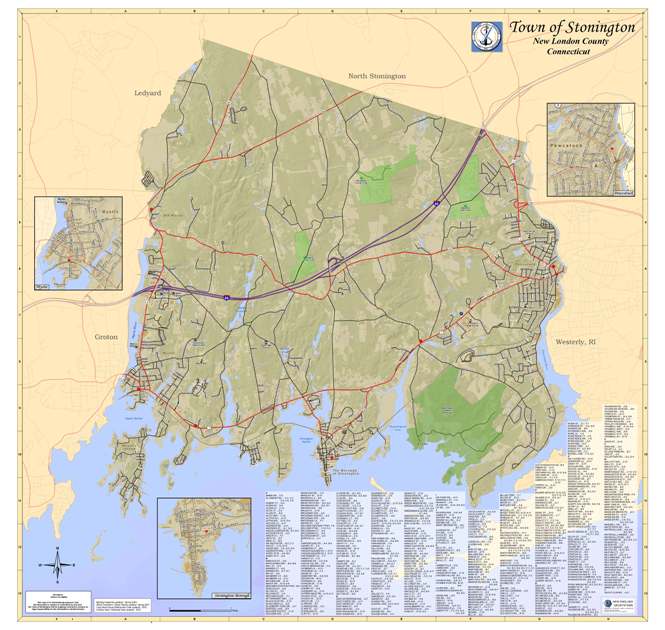

Stonington, Connecticut, is a treasure trove of historic charm and coastal beauty, encapsulating the essence of New England’s maritime heritage. With its picturesque harbor, quaint village atmosphere, and rich history, this charming coastal town beckons visitors and residents alike to explore its unique allure. But while the serenity of Stonington is undeniable, could there be a hidden challenge lurking beneath its idyllic façade? The impact of climate change on coastal communities like Stonington certainly poses a complex question to ponder.
Situated at the confluence of Long Island Sound and the Atlantic Ocean, Stonington boasts a stunning coastline that stretches for miles, dotted with pristine beaches and rocky shores. A stroll along its waterfront reveals breathtaking vistas that change with the rhythm of the tides. On clear days, the azure sky mirrors the splendor of the sea, creating a postcard-perfect backdrop for leisurely afternoons. This coastal environment not only offers visual splendor but also serves as a sanctuary for diverse marine life.
As one wanders through the town, the historic architecture captures the imagination. The town’s origins date back to the 1600s, and much of its heritage remains intact. The well-preserved buildings transport visitors back in time, providing a glimpse into the lives of those who once inhabited this coastal gem. Among these architectural relics, the Old Lighthouse, constructed in 1823, stands sentinel to the harbor. Its stark white façade against the blue water serves as a reminder of the town’s nautical past while welcoming boats home. Exploring these historical sites brings a sense of reverence for the craftsmanship of yesteryear, prompting the question: how can we preserve such priceless legacy amidst the encroachment of modernity and environmental challenges?
In the heart of Stonington lies the charming village of Pawcatuck, separated from its sister town by the Pawcatuck River. Here, quaint shops, artisanal eateries, and local galleries invite curious souls to experience the town’s vibrant culture. The community spirit is palpable, with local events and seasonal festivals fostering camaraderie among residents. The annual Stonington Village Fair is a testament to this united front, where artisans and musicians converge to celebrate local talent. Yet, despite the camaraderie, the specter of climate change threatens the very fabric of this community. Rising sea levels and extreme weather patterns pose challenges that must not be ignored.
The environmental ramifications are already visible along Stonington’s coastal landscapes. Storm surges and elevated flood risks jeopardize homes, businesses, and critical infrastructure. Such threats bring to the fore a pressing question: how can Stonington—while embracing its historical charm and breathtaking beauty—strategically combat the possible destruction wrought by climate change? Community initiatives and local advocacy play crucial roles in addressing these pressing concerns.
One promising avenue is the embrace of sustainable practices and policies. The town’s leadership and citizens are increasingly aware of the necessity to adopt environmentally-friendly measures. Noteworthy efforts include the promotion of renewable energy, public transit enhancements, and green infrastructure developments. How can residents capitalize on these initiatives to ensure that future generations inherit this coastal paradise? Collaboration with environmental organizations and participation in local environmental programs can amplify these efforts.
Additionally, educational programs centered around climate resilience have emerged as critical components of sustainable development in Stonington. Local schools and organizations engage residents, especially youth, in discussions about environmental stewardship and climate action. By fostering a culture of awareness and activism, the community can cultivate a powerful generation that understands the intricate balance between preservation and progress.
The natural wonders of Stonington are as compelling as its architectural treasures. Nature enthusiasts can explore the serene confines of the Stonington Nature Preserve, a haven for flora and fauna that underscores the town’s dedication to preserving its natural environments. With trails meandering through wooded areas and opportunities for birdwatching, this preserve is a sanctuary for those seeking solace in nature. However, it is essential to ensure that such natural sites are protected from the advancing threat of development and climate-related impacts.
As summer tourists flock to the beaches, it’s important to foster responsible tourism that emphasizes the preservation of Stonington’s coastal beauty. Education on the importance of reducing waste, protecting wildlife, and respecting local ecosystems can greatly mitigate the impact of tourism on the environment. How can both residents and visitors commit to safeguarding these cherished landscapes for posterity? By prioritizing eco-friendly practices and encouraging mindful consumption, the town can pave the way for a sustainable tourism model.
In conclusion, Stonington, Connecticut, merges historic charm with coastal beauty, creating a unique tapestry that defines this coastal enclave. While the allure of its landscapes and architecture captivates many, a critical introspection into the multifaceted challenges posed by climate change is essential. The balance between preservation and progress is delicate but vital. Stonington stands at a crossroads; will the community rise to meet the challenge and safeguard its heritage while championing sustainable practices? Only time will tell, but with collective action and commitment, the hope for a greener, more resilient future remains tangible.
