
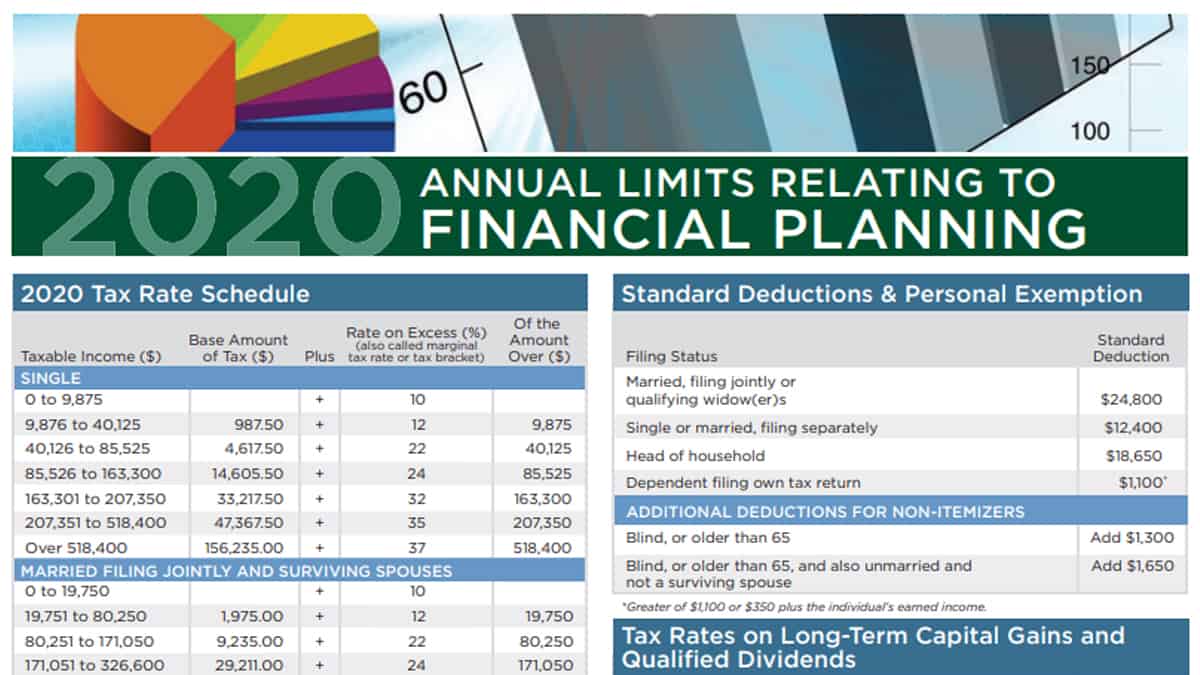

As the world of finance constantly evolves, one thing that remains a universal truth is the importance of understanding how annual limits affect college financial planning. The 2025 annual limits will undoubtedly play a significant role in shaping the way families save, invest, and prepare for higher education costs. This article aims to explore the implications of these limits, the underlying reasons for their fascination, and how families can strategically navigate the landscape of college financing.
To comprehend the nuances of the 2025 limits, it is crucial first to clarify what these limits entail. Annual limits refer to the maximum allowable amounts that can be contributed to various college savings plans, such as 529 plans and Coverdell Education Savings Accounts (ESAs). These figures are pivotal, as they influence how families save for their children’s future education and can substantially affect long-term financial strategies.
In many families, the prospect of college funding induces a profound blend of anxiety and anticipation. Higher education is an investment that yields substantial dividends, but the costs can be staggering. In the United States, college tuition continues to rise at an alarming rate, often outpacing inflation and wage growth. Hence, the 2025 annual limits will arrive as a beacon of insight for families striving to mitigate the financial burden associated with pursuing higher education.
The fascination with annual limits often stems from their perceived ability to impact college readiness. Families frequently find themselves at a crossroads, needing to balance immediate financial responsibilities with long-term educational aspirations. The established limits can either encourage or discourage familial investment in education savings plans, eliciting strong emotions and thoughtful deliberation regarding future financial health.
As we look ahead to 2025, it’s essential to recognize how these limits are generally articulated in relation to various savings vehicles. For instance, the annual contribution limit for 529 college savings plans is likely to undergo adjustment, reflecting changes in cost of living and educational expenses. It’s also important to consider contributions to Coverdell ESAs, which may soon see their own limits revised in response to the financial exigencies of families seeking to enrich their children’s educational prospects.
Furthermore, a comprehensive understanding of the 2025 annual limits illuminates the underlying tax advantages associated with these savings accounts. Many families are driven not only by the necessity of saving but also by the prospect of leveraging tax benefits. Contributions to 529 plans, for example, are often made with pre-tax dollars in certain states, which can lead to significant long-term savings. As families plan for the future, knowing exactly how much they can invest annually without incurring penalties becomes a crucial element of their financial strategy.
However, it is equally vital to avoid the pitfall of viewing these limits in isolation. The broader context encompasses shifting educational policies, fluctuating economic environments, and evolving family dynamics. What may seem like arbitrary numbers on paper often represent the aspirations and dreams of countless students and their families. These limits reflect governmental recognition of the rising costs associated with obtaining higher education and a response to the increasing need for fiscal prudence.
As families prepare for 2025, they should engage in a holistic planning process that includes not only an analysis of annual limits but also a thorough review of their overall financial health. This means considering diverse elements like investment strategy, debt management, and alternative funding sources such as scholarships and grants. While savings strategies are paramount, having a diversified approach ensures families are equipped to confront the myriad challenges associated with financing a college education.
Moreover, it is crucial to remain vigilant about changes in the educational landscape that could directly affect financial planning. The rise of online education and alternative learning pathways has ushered in new paradigms that alter the traditional college experience. Tuition rates at online institutions can differ drastically, introducing new considerations regarding how families allocate their financial assets. The annual limits set for 2025 will likely need to be contextualized within this broader educational framework.
In navigating the increasingly complex realm of college financing, families should also seek professional guidance. Financial advisors specializing in educational funding can offer invaluable insights tailored to individual circumstances. Advisors can help families construct a comprehensive financial plan that addresses annual limits while aligning with their unique educational goals and financial aspirations. This collaborative approach often yields a more effective strategy, enhancing the likelihood of successful financial outcomes for all involved.
Finally, it is essential to approach the concept of annual limits with a sense of purpose and optimism. While the boundaries of fiscal contributions may seem constricting at times, they also represent an opportunity for proactive planning and informed decision-making. Understanding these limits can foster a culture of financial literacy within families, enabling them to make mindful choices that resonate across generations.
In conclusion, as we brace for the unveiling of the 2025 annual limits for college financial planning, it is imperative to foster a comprehensive understanding of these figures and their implications. The interplay between saving, investment strategy, and the evolving educational landscape requires a nuanced approach. By embracing these challenges, families can strategically prepare for the financial commitments associated with higher education and ultimately pave the way for future generations to thrive.
