

When the sweltering heat of summer arrives, we often find refuge in the refreshing coolness of our air-conditioned homes. However, what happens when that blissful respite is interrupted by the thunderous roar of your outdoor air conditioning unit? The abrupt cacophony can send anyone into a frenzy, but it also beckons a deeper inquiry into why such a clamor exists and what it signifies. Instead of viewing your AC unit’s noise as merely an annoyance, let’s shift our perspective and explore the intricacies behind the outdoor roar.
At its core, an air conditioning unit is a marvel of engineering, designed to deliver optimal comfort through complex systems working together in unison. However, no machine is exempt from the occasional hiccup, and these untimely disturbances can manifest as loud, unfamiliar sounds. If you’ve ever felt a twinge of anxiety while listening to the raucous grumbling of your outdoor AC unit, you’re not alone. The reality is far more nuanced than simply wanting peace and quiet; it reveals the underlying health and efficiency of the system itself.
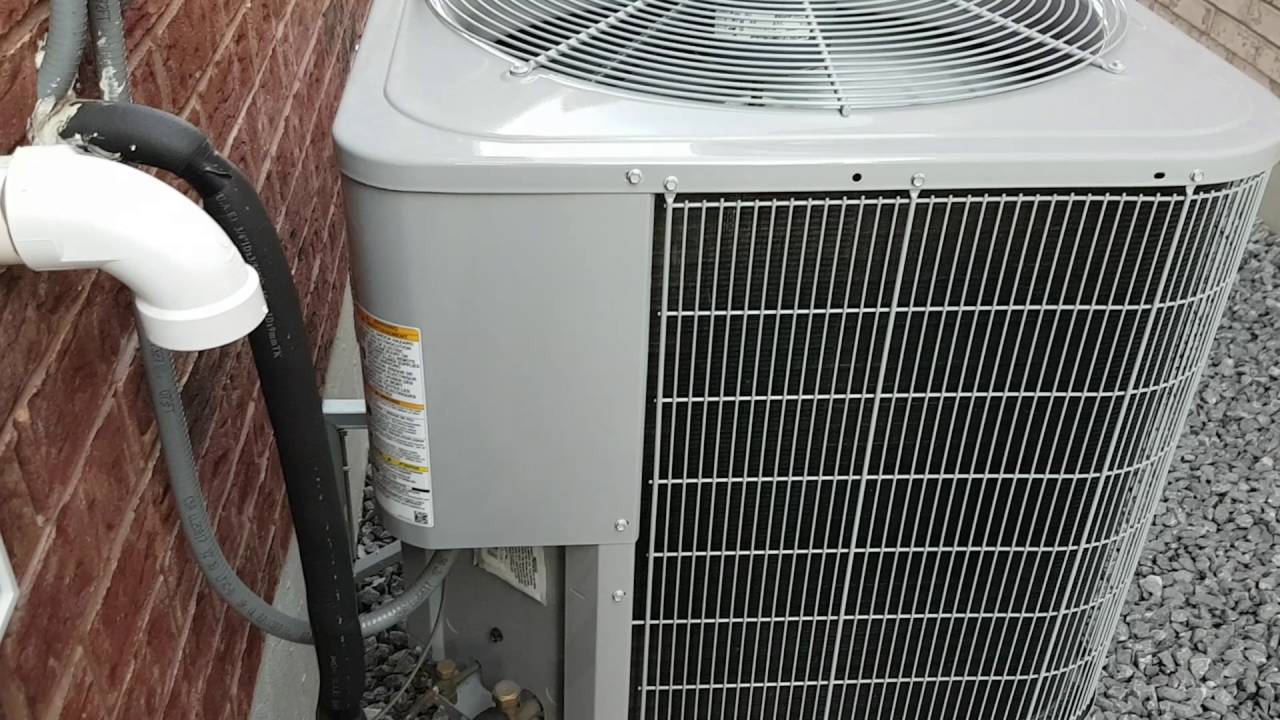
The first step in understanding the source of the noise is to consider what components make up your outdoor AC unit. It primarily consists of the compressor, condenser coils, fan, and various electrical parts. Each of these elements plays a crucial role in cooling your living environment. When they function harmoniously, one might hardly notice their presence. But when one component falters, the resulting dissonance can be both startling and telling.
Common causes of loud noises can range from a benign buildup of dirt and debris to more severe mechanical issues. When the compressor—a vital component that circulates refrigerant—is struggling, it might produce a grinding noise or a persistent buzzing sound. Alternatively, if the outdoor fan blade is hitting an obstruction or is worn down, it may create a shrill, rattling din. These sounds are not just mere irritations; they serve as forthright messages from your air conditioning system, urging you to pay attention.
Yet, the sounds emitted by your outdoor AC unit do not solely pertain to malfunctions. Some noises can be attributed to the normal operational processes of the unit. For instance, the whooshing sound of refrigerant moving through the lines or the distinctive clicks of the thermostat engaging reflect a healthy cycle of operation. However, distinguishing between normal and abnormal sounds is vital. This calls for a discerning ear and an understanding of what constitutes typical behavior for your specific model.
Consider, for instance, a scenario where your unit intermittently emits a low humming noise. This phenomenon might be perfectly normal—especially if accompanied by steady cooling performance. Conversely, a change in pitch, particularly if it escalates into a loud shriek, warrants immediate investigation. Shifting our perception allows us to see these auditory cues not as nuisances, but as critical indicators of our unit’s well-being, effectively transforming our approach to HVAC maintenance.
It’s equally essential to factor in the element of environment. If you reside in a densely populated area, the sound from your outdoor unit may not simply be a reflection of its health but also of the acoustics of your surroundings. The topology of your yard, proximity to neighbors, and even the placement of your unit can amplify or mitigate sound. If the unit is situated against a wall or surrounded by shrubbery, it may reverberate more loudly than one that rests in open air.
In a world increasingly focused on sustainable solutions and energy efficiency, the way we react to our noisy ac units also has broader implications. Rather than dismissing the ruckus as an inconvenience, recognizing it as a sign of potential energy inefficiency can lead to important improvements. Inefficiencies often reflect wasted energy—something you can control if you are willing to listen.
Furthermore, if the outdoor roar becomes unbearable, it might be an ideal time to consider upgrading your system. Modern AC units are designed to operate with enhanced soundproofing features that significantly diminish noise pollution. By opting for a high-efficiency, quieter model, you’re not just investing in comfort but also ensuring your outdoor unit harmonizes better with its surroundings—culminating in a more soothing home environment.
As competitive as this summer heat can be, let’s not forget that every noise carries with it an opportunity. Instead of allowing discomfort or annoyance to dictate our actions, we can approach the outdoor roar of our AC units with curiosity. By understanding the language of our machines, we embrace a more proactive mindset. Schedule regular maintenance checks, keep components clean, and consult with professionals if unusual sounds persist.
Ultimately, the outdoor roar of your air conditioning unit is not merely a sound; it is a conversation between machine and homeowner—a dialogue that reflects both the health of the unit and the quality of your living environment. With the right lens, what might initially seem chaotic can transform into a symphony of insights, guiding you toward better efficiency, enhanced comfort, and a stronger connection to your home. So, the next time you hear that outdoor commotion, take a moment to listen, reflect, and respond—your AC unit might just have more to share than you think.
