
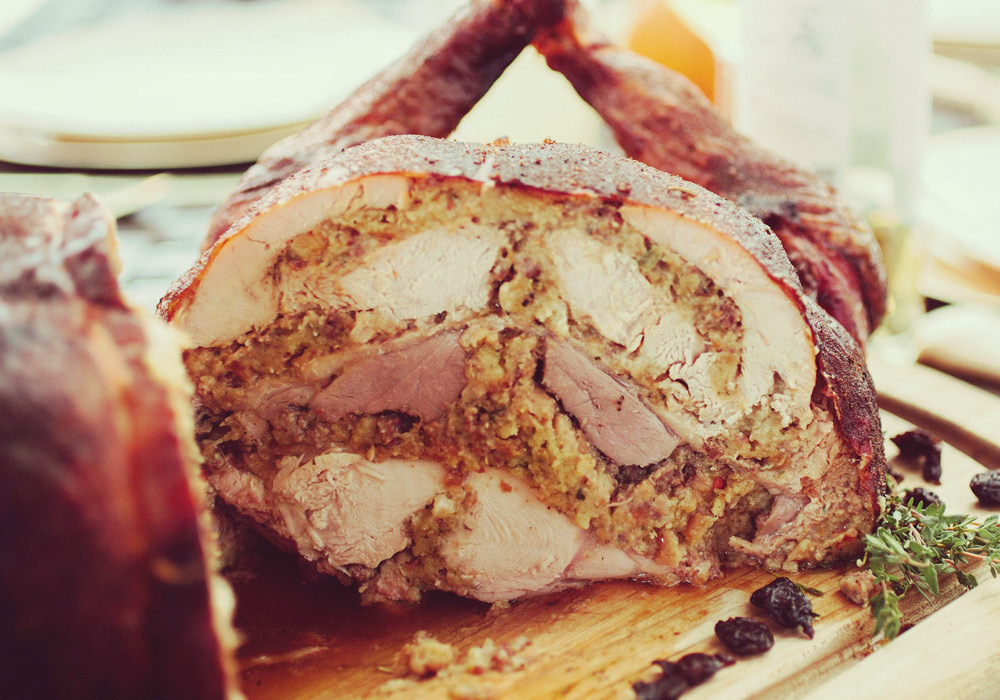

Turducken, a portmanteau of turkey, duck, and chicken, stands as a culinary curiosity that tantalizes the taste buds and piques the imagination. This unique dish, where a chicken is tucked inside a duck, which is further ensconced in a turkey, has become a holiday staple for many households, particularly in the United States during Thanksgiving and Christmas. But what lurks beneath the layers of this multi-species marvel? In this article, we will dive into the myriad interpretations and delightful nuances of “any of the meats in a turducken,” exploring how each element contributes to this intricate gastronomic phenomenon.
To understand turducken fully, one must appreciate its historical context. The dish originated in the 1980s and quickly became a symbol of culinary indulgence and creativity. More than just a recipe, turducken represents a fusion of cultures, culinary techniques, and even a playful take on traditional meat dishes. As we dissect this dish, we will explore the individual components, their flavors, textures, and cooking methodologies, bringing to life the reason why the turducken is often regarded as one of the best word plays of all time.
1. The Turkey: The Pillar of the Turducken
The turkey is the skeletal structure of this dish, providing ample space and serving as the outermost layer. When selecting a turkey for a turducken, size matters. A larger bird offers not just an aesthetic appeal but also enough room to accommodate the fowls within. As the turkey roasts, its skin becomes golden-brown and crispy, harnessing the flavors of the spices and herbs used for seasoning.
Traditionally, turkeys are seasoned with a medley of spices, including sage, thyme, and rosemary, which penetrate the meat during the slow roasting, resulting in a succulent and flavorful feast. The stuffing, often composed of cornbread or rice, soaks up the delightful juices, enhancing the overall flavor profile. Each bite of turkey should be moist, with the savory seasoning contrasting beautifully against the rich, succulent essence of the meats within.
2. The Duck: A Rich and Decadent Layer
Next, we encounter the duck—a delightful addition that elevates the entire dish with its lush flavor and unctuous texture. Duck meat is inherently more fatty than chicken or turkey, contributing a depth of richness that is unmistakable. The introduction of duck not only adds complexity but also ensures that moisture is retained throughout the cooking process.
When preparing the duck, a careful balance of seasoning is crucial. The meat should be seasoned in a complementary but distinct manner compared to the turkey. Citrus zest, a touch of soy sauce, or even balsamic glaze can be employed to accentuate the meat’s innate flavor while cutting through the richness with a hint of brightness. As the duck braises enveloped in the warmth of the turkey, its fat renders, cascading down to infuse both the turkey and chicken with a velvety decadence that is nothing short of sublime.
3. The Chicken: The Flavorful Core
Finally, nestled within the layers of turkey and duck lies the chicken—the smallest of the trio yet bursting with flavor. Often viewed as the underdog, the chicken serves as a protein buffer that smooths the transition between the robust characteristics of the duck and the hearty nature of the turkey. This diminutive fowl adds a tender bite that many diners find familiar and comforting.
In terms of seasoning, the chicken can be seasoned with a combination of garlic, paprika, and onion powder, providing a gentle kick that enhances its simple yet savory profile. The key to a succulent chicken lies in its preparation; brining prior to cooking can lend moisture and flavor while ensuring that it holds its own against the amplified taste of its neighboring avians.
4. Blending Flavors: The Ultimate Meat Medley
When turducken reaches the table, it represents the quintessence of flavor fusion. Each layer delivers its distinct characteristics while contributing to an overarching harmony. The turkey’s juiciness, the duck’s richness, and the chicken’s tenderness create an unparalleled medley that captivates the palate. The interplay of textures—from the crispy skin of the turkey to the tender meat of the chicken—enhances the sensory experience, making each slice a revelation.
The most enchanting aspect of turducken, however, extends beyond the mere components; it is about the experience of savoring a slice, where each forkful tells a story of tradition, culinary ingenuity, and a joyous celebration of family gatherings.
5. Variations and Creative Spin-offs
Much like any classic dish, the turducken has inspired a plethora of variations. Culinary enthusiasts have expanded the concept to include other meats, such as pork or even game birds, each contributing its unique essence. Imagine a succulent pork loin added to the fray, infusing an entirely new dimension with its robust flavor and texture.
The rise of fusion cuisines has led to innovative interpretations, where spiced meats from different cultures mesh within the turducken framework, introducing exciting ingredients like chorizo stuffing or even exotic spices, which add layers of complexity to the dish.
Conclusion: A Culinary Adventure
Turducken is more than just a meal; it’s a culinary adventure steeped in creativity, flavors, and history. As each meat melds within this multifaceted dish, it tells the tale of tradition, celebration, and the joy of coming together around a shared table. With its origins rooted in experimentation and tradition, turducken exemplifies the beauty of gastronomy, challenging chefs and home cooks alike to step outside conventional norms.
Delving into “any of the meats in a turducken” grants culinary enthusiasts a deeper understanding of the artistry behind this dish. Whether you are attempting to recreate it in your kitchen or simply indulging at a festive gathering, each savory mouthful serves as a reminder of the joy, warmth, and fellowship that food can evoke. So, as the holiday season approaches, embrace the turducken—not just as a meal, but as a celebration of the richness of communal dining and culinary creativity.
