
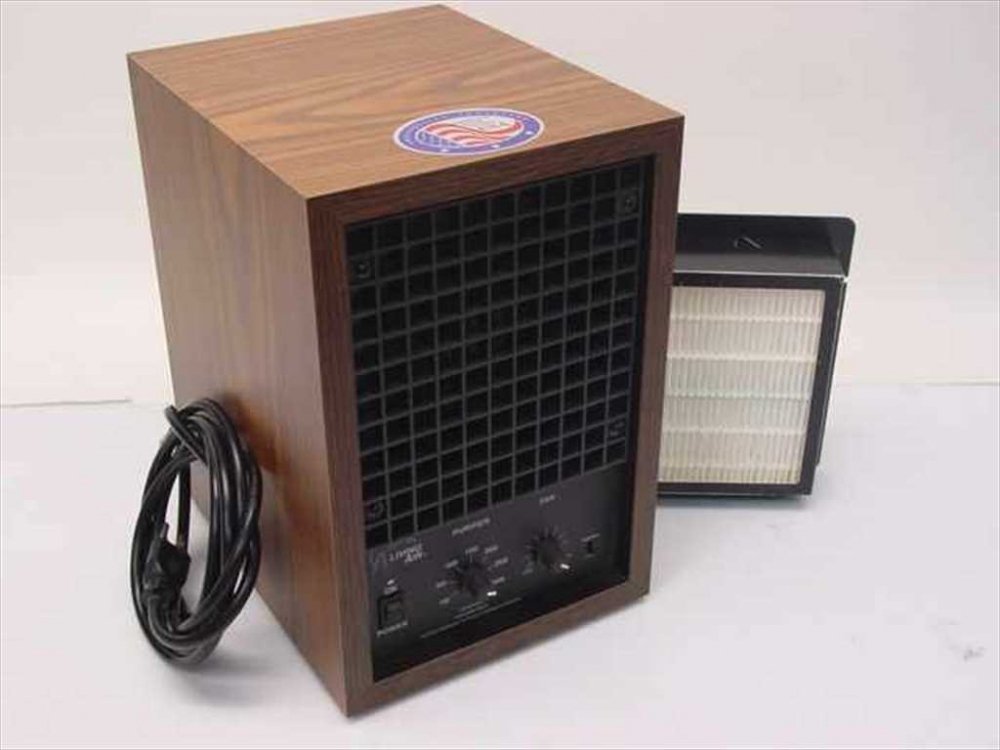

Imagine this: you come home after a long day, kick off your shoes, and take a deep breath. But wait—what if that breath isn’t as clean as you think? Indoor air quality is often overlooked, yet it plays a crucial role in our overall well-being. With the rising awareness of environmental health, many people are turning to air purifiers for solace. But here’s a thought-provoking question: are these devices covered by Flexible Spending Accounts (FSA)? Let’s explore this conundrum.
First, let’s clarify the primary function of air purifiers. These devices are designed to remove airborne pollutants, allergens, and harmful particles from your living space. They can filter dust, pollen, pet dander, mold spores, and even volatile organic compounds (VOCs). This capability makes them a tempting investment for anyone seeking to enhance their indoor air quality. However, financial considerations often come into play, especially when it comes to health-related purchases. Is it feasible to use FSA funds for an air purifier? Let’s delve deeper.
The IRS has a specific set of guidelines that determine what medical expenses are eligible for reimbursement through an FSA. Generally, FSA funds can only be used for items deemed necessary for the diagnosis, cure, mitigation, treatment, or prevention of disease. This is where things start to get complex; while air purifiers can contribute to better air quality, they may not always be classified as essential medical equipment according to IRS regulations.
So, how do you navigate this gray area? The eligibility of an air purifier largely hinges on its necessity for a specific medical condition. For instance, if you or a family member suffer from asthma or severe allergies, you might argue that an air purifier is a medical necessity. Supporting documentation from a healthcare provider advocating for its use can bolster your case for reimbursement. This is where the potential challenge lies: the need for a formal diagnosis and recommendation adds a layer of complexity for users hoping to claim such expenses.
Moreover, different types of air purifiers offer varying levels of filtration efficiency. The most effective models often use HEPA (High Efficiency Particulate Air) filters, which can capture 99.97% of particles that are 0.3 microns in size. These advanced systems can be especially beneficial for those battling respiratory issues. If you find yourself considering an air purifier for medical reasons, ensure it meets the necessary standards as evidence of its efficacy may be required for FSA claims.
In determining whether your air purifier qualifies, it’s also crucial to keep detailed records and receipts. You’ll want to track how the device contributes to your health, whether through symptom relief or improved quality of life. The more comprehensive your documentation, the better your chances of successfully claiming reimbursement. Don’t skip this step—overlooking it could lead to disappointment when filing your claim.
In addition to addressing individual health concerns, air purifiers serve a broader purpose in enhancing household environments. Pollution from cooking, cleaning supplies, and other household items can significantly impact indoor air quality. Therefore, even if an air purifier doesn’t meet the strict criteria for FSA coverage, the investment can still translate into a healthier living space.
While the question of whether air purifiers are covered by FSA may seem straightforward, it swiftly becomes convoluted. The key consideration here isn’t just about compliance with IRS guidelines; it’s also about understanding your own health needs. If you recognize that cleaner air contributes to improved well-being, perhaps the investment in an air purifier is justified, regardless of the reimbursement potential. However, it’s always wise to consult with your benefits administrator to clarify the policies specific to your FSA plan.
Let’s not forget the varying opinions regarding air purifiers among health professionals. While some tout their undeniable benefits, others suggest they may provide a false sense of security. Many experts recommend lifestyle changes in conjunction with air purifiers—regular cleaning, proper ventilation, and minimizing the use of chemical-laden products can significantly complement the effect of an air purifier. It’s essential to view these devices as one piece of the puzzle rather than the sole solution.
To sum it up, the exploration of whether air purifiers are covered by FSA brings to light a cornucopia of considerations. While there is a potential for reimbursement—especially for individuals with specific medical conditions—the journey to obtaining funds isn’t without its challenges. If you’re mindful of your documentation and able to articulate the medical necessity of an air purifier, you may find a path toward reimbursement. Regardless, the benefits of investing in cleaner air are universally acknowledged, making it more essential than ever to prioritize indoor air quality. So, as you weigh your options and consultation recommendations, one thing is certain: living healthy means not just being aware of what you breathe but actively ensuring that air is as pure as possible.
