
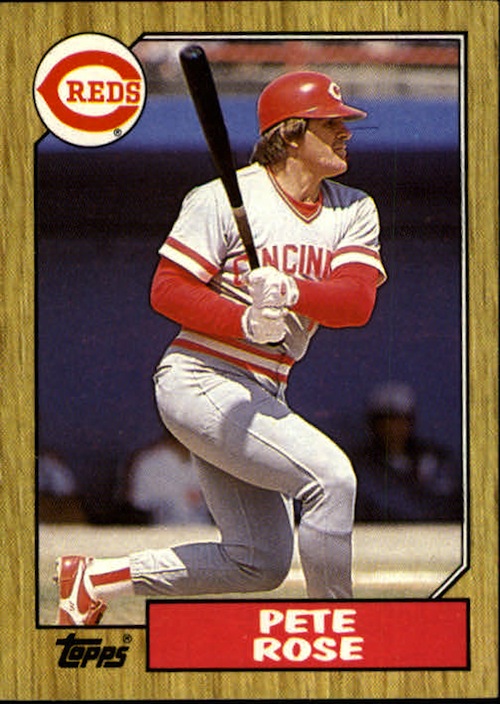

In the vibrant tapestry of baseball history, few names are as polarizing or emblematic as that of Pete Rose. Affectionately known as “Charlie Hustle,” Rose’s relentless spirit on the diamond and his controversial off-field decisions have made him a focal point of trading card enthusiasts. As we delve into the world of Pete Rose cards, it becomes essential to unravel the threads of their market values, the nostalgia they evoke, and the unique allure they possess within the realm of collectibles.
At the heart of the card collecting phenomenon lies an inherent nostalgia, a bridge connecting fans to cherished memories encapsulated in the cardboard images. Pete Rose’s cards serve as time capsules, transporting aficionados back to the roaring 70s and 80s when the Cincinnati Reds dominated baseball. Each card is imbued with a story—a snapshot of a player who epitomized grit and determination. From the bat’s crack echoing in the stands to the roar of the crowd, these cards are not mere artifacts; they are gateways to the past.
To assess whether Pete Rose cards are worth anything necessitates a multifaceted exploration. Factors such as card condition, rarity, and historical significance weigh heavily in the marketplace. The cornerstone of Pete Rose’s card value is often rooted in his extraordinarily successful career, boasting a record 4,256 hits—a feat that enchants collectors and parallels the exhilarating unpredictability of the game itself. Yet, the shadow of his lifetime ban from baseball complicates this narrative, rendering some collectors cautious while others are fiercely dedicated.
When discussing condition, the grading system becomes pivotal. Cards graded by services like PSA (Professional Sports Authenticator) or BGS (Beckett Grading Services) can dramatically affect market value. A mint condition card, with sharp corners and perfect centering, can command hundreds or even thousands of dollars. In stark contrast, a worn or poorly maintained card may struggle to find a buyer. The juxtaposition of mint and mediocre encapsulates the delicate dance of value in the world of collectibles—where the finest specimens command regal prices while lesser counterparts linger on the fringe.
Rarity, too, plays a crucial role in determining a card’s worth. While many Pete Rose cards were produced in abundant quantities, certain editions remain scarce due to limited releases or unique error cards. For instance, the 1963 Topps card, depicting a young Rose in his early years with the Reds, has become something of a Holy Grail for collectors. Its rarity, combined with Rose’s enduring legacy, has propelled its market value into the stratosphere. A wise collector knows that while common cards can fill the album, it’s the elusive pieces that truly capture the heart—and the wallet.
But what fuels the intrinsic appeal of Pete Rose cards beyond mere statistics and market analysis? The answer lies in the complex tapestry of emotion woven into the narrative of Rose’s career. His ascension to greatness followed by a fall from grace echoes the timeless stories of heroism and tragedy, reminiscent of classical literature. Every card is not just a piece of cardboard—it embodies triumph, failure, and the unyielding human spirit. To own a Pete Rose card is to possess a fragment of a tale that transcends the confines of the baseball diamond.
Moreover, the communal aspect of card collecting is profoundly enriching. Enthusiasts gather at conventions and participate in online forums, with conversations flowing like the bases being rounded. The thrill of sharing stories, trading cards, and expanding one’s collection fosters a sense of camaraderie among collectors. Each exchange, whether casual or strategic, is laced with the undercurrent of admiration for the game itself and the players who have shaped its legacy. With a Pete Rose card in hand, conversations ignite—a spark of shared history, resonating with every mention of “the Hit King.”
As collectors wade through the sea of options, a reflection emerges: Cards are not just investments; they are embodiments of heritage. Each cherished item holds the potential to tell a story, to evoke emotion, and to foster connections that transcend generations. The allure of Pete Rose cards lies partly in their ability to capture the essence of the love for baseball—a passion that binds young and old alike, bridging the gap between past and present.
In pondering the question of value, it’s vital to remember that the worth of a card can be subjective. For some, the financial aspect may reign supreme; for others, the emotional connection takes precedence. The journey of collecting is often laced with personal significance—memories shaped by the joy of the hunt or the thrill of a successful trade. Ultimately, the value of a Pete Rose card, like the man himself, is a mosaic of many facets, each contributing to the rich narrative of baseball memorabilia.
In conclusion, the realm of Pete Rose cards offers a captivating exploration of nostalgia, valuation, and community. With stories woven into each piece, these cards stand as a testament to the game of baseball and the multitude of emotions it evokes. Whether the market fluctuates or the narratives shift, the undeniable allure of Pete Rose continues to flourish, inviting new collectors to share in the timeless excitement of “Charlie Hustle” and the legacy he left behind.
