

Choosing the right bed size for a 5-year-old can pose an intriguing dilemma for parents. As children grow, they require a sleep environment that supports their physical and emotional development. But what is the best bed size for a child at this tender age? In answering this question, several factors must be considered, including growth patterns, room dimensions, safety, and the potential lifespan of the bed.
Initially, one might muse over the idea of simply purchasing the smallest option available. However, sleep experts often advocate for a more strategic approach. This playful question invites us to reflect: Should we aim for a bed that accommodates a child’s growth, or prioritize a snug fit within the confines of their bedroom? Each choice bears its unique ramifications.
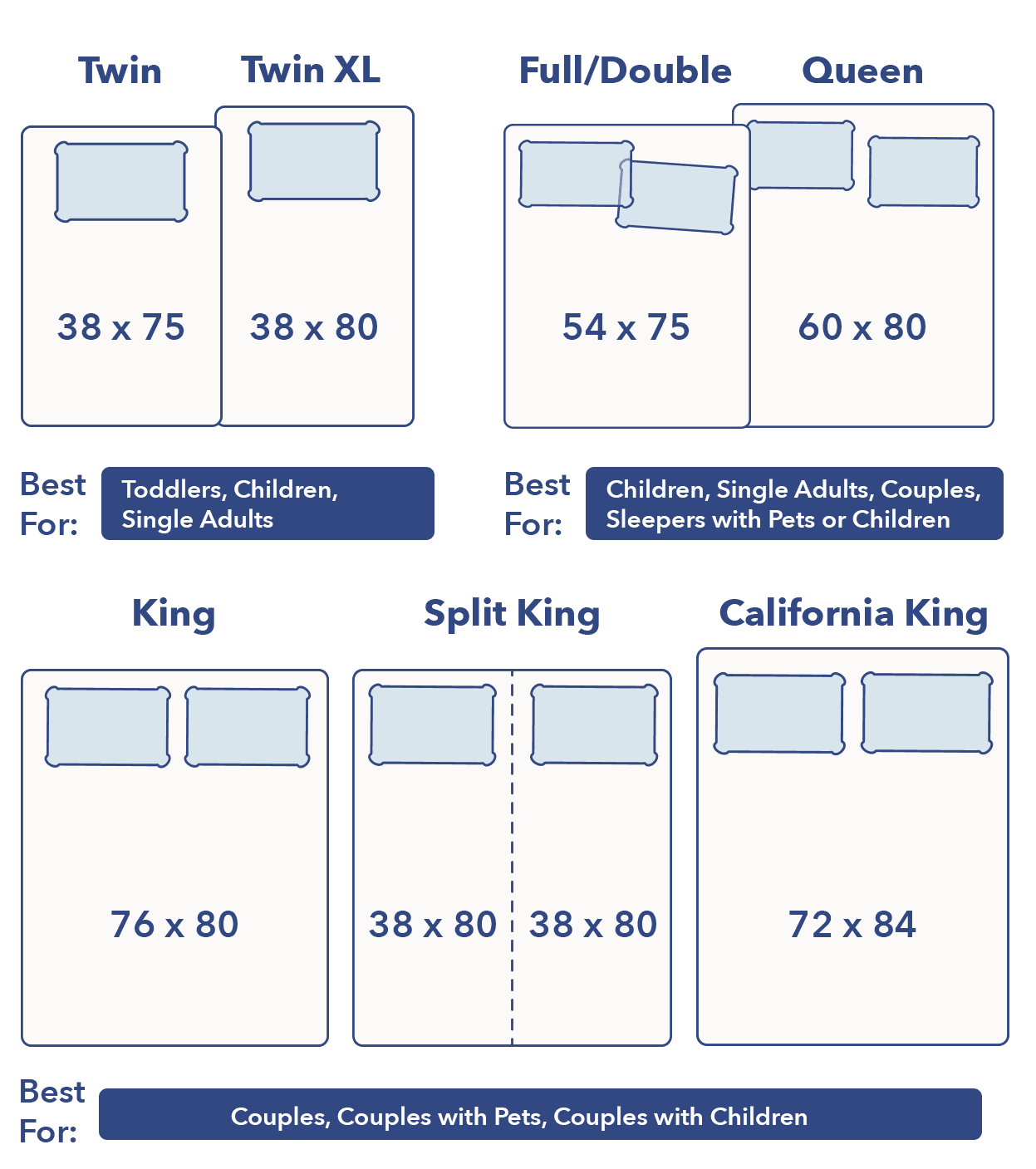
To start, let’s examine the most common bed sizes available on the market today. The two leading options for young children are twin and toddler beds. A toddler bed is typically 28 inches wide and 52 inches long, designed specifically for the wee ones transitioning from a crib. In contrast, a twin bed measures 38 inches wide and 75 inches long. The distinction between these beds is not merely significant in terms of size; it also reflects an understanding of developmental needs.
At the age of five, children experience rapid growth spurts. Many children will not only fit comfortably in a toddler bed but may soon outgrow it. Thus, investing in a twin bed may offer a more long-term solution, reducing the need for subsequent purchases. A twin bed can easily accommodate a child for several years, proving to be a more prudent choice for parents who anticipate future growth.
Nevertheless, one must contemplate the spatial constraints of the child’s bedroom. A toddler bed requires less floor space, making it an attractive option for smaller rooms. Conversely, a twin bed demands a larger area, which may lead to a cluttered space if not carefully planned. Optimizing room dimensions becomes a significant challenge, particularly in urban environments where space is at a premium.
Another critical aspect to consider is safety. A toddler bed often sits lower to the ground, minimizing the risk of injury during accidental falls. This characteristic can bring peace of mind to parents concerned about their child’s safety during the night. Twin beds, while safe, may require the addition of safety rails to prevent unfortunate tumbles. These precautions also extend to the bedding and mattress selection, which needs to adhere to safety standards free from allergens and harmful chemicals.
Comfort is of paramount importance, as well. A full-sized mattress can provide ample support for a child’s developing body, promoting undisturbed sleep. The right mattress, whether for a toddler or a twin bed, should be firm yet accommodating. Foam, innerspring, or hybrid options ought to be considered carefully. Sleep experience is, after all, largely dependent on mattress quality and type.
Another practical consideration is cost. While toddler beds can be more budget-friendly, one must assess the potential for future expenses. Investing in a twin bed might appear costly initially; however, if it lasts throughout your child’s formative years, it could prove more economical in the long run. Furthermore, twin beds have a broad market for bedding and accessories, enabling a variety of choices that can suit any child’s evolving tastes.
For many parents, transitioning a child to a “big kid” bed not only marks a physical change but also a psychological one. It signifies growth, autonomy, and milestones such as potty training. How does this individual transition influence a child’s perception of responsibility? The way a child perceives their sleeping space can undoubtedly bolster their confidence and sense of independence.
Yet another factor in this equation is the aesthetic aesthetic appeal. The design of a bed can have a profound impact on a child’s room, thus contributing to their overall emotional wellbeing. A twin bed allows for more design options, ranging from whimsical themes to sophisticated styles, reflecting the personality of a growing child. The visual and emotional connection to this space can inadvertently affect rest quality.
Ultimately, choosing an appropriate bed size does not have a one-size-fits-all answer. Every child presents unique dimensions, growth trajectories, and preferences. While a toddler bed may serve a temporary purpose, the compelling benefits of a twin bed – such as longevity and comfort – might outweigh the immediate allure of a smaller option. Evaluating these aspects permits parents to make a sound, considerate choice that accommodates their child’s needs.
As you navigate this decision, remember the importance of prioritizing comfort, safety, and growth potential. Engaging your child in the selection process can offer a sense of empowerment, making a “big kid” bed feel special and tailored just for them. The quest for the perfect bed size invites thoughtful deliberation, converting a straightforward task into a multifaceted exploration. As such, the best bed size for a 5-year-old hinges on a confluence of considerations uniquely defined by their developing personality and physical needs.
