
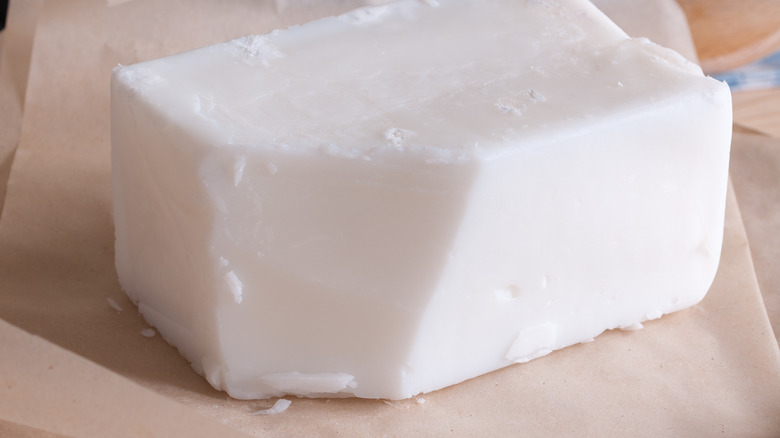

Beef tallow, a centuries-old staple in kitchens worldwide, is experiencing a resurgence in popularity, thanks to its culinary versatility and health benefits. However, like any other fat, proper storage is essential to maximize its shelf life and maintain its quality. This article delves into the intricacies of how to store beef tallow effectively, ensuring that you can enjoy its rich flavor and myriad uses without compromise.
The first step in mastering beef tallow storage is understanding the nature of the fat itself. Tallow is rendered fat from beef, and when handled correctly, it can last for several months—even years. However, its longevity largely depends on how it’s stored. There are several methods—some more effective than others—each offering various benefits depending on your needs.
One of the most straightforward methods for storing beef tallow is refrigeration. Storing tallow in the fridge keeps it cool, which significantly slows down the oxidation process that leads to rancidity. To do this, simply allow your rendered tallow to cool to room temperature, then transfer it into an airtight container. Glass jars are an excellent option, as they’re non-reactive and can be tightly sealed. Remember to label the jar with the date of rendering to keep track of its freshness.
If you’re looking to utilize tallow over a longer period, freezing can be your best friend. Freezing beef tallow not only prolongs its shelf life but also preserves its flavor and texture. Begin by ladling the cooled tallow into freezer-safe containers or silicone molds for smaller, portion-sized chunks. Once frozen solid, you can transfer these tallow blocks into resealable plastic bags for efficient storage. This method allows you to take out only what you need while keeping the rest safely frozen.
For those who prefer convenience, you might consider vacuum-sealing your beef tallow. This method removes air, which is one of the main culprits in fat spoilage. After rendering, let your tallow cool slightly and then pour it into vacuum-seal bags. Following the manufacturer’s instructions, seal the bags tightly and remember to label them with the date. Vacuum-sealed tallow can last up to a year in the freezer when stored correctly.
Some enthusiasts suggest another delightful method: the use of glass jars submerged in a water bath for long-term storage at room temperature. This method is less common but worth considering if you’re looking for an alternative approach. Once again, ensure your rendered fat is cool, pour it into sterilized glass jars, and then submerge these jars in a pot of hot water (not boiling). As the water cools, it creates a seal that helps keep air out, while also allowing you to store the tallow in a cool, dark place like a pantry. This method, however, does require careful attention to temperature and cleanliness to avoid spoilage.
Regardless of your chosen storage method, it is worth noting a few key tips that can help you keep your tallow in top condition. Always store tallow in a cool, dark place—light and heat can accelerate rancidity. Moreover, avoid introducing moisture into the container, as this can lead to mold and spoilage. Instead, always use clean utensils when scooping out the tallow to prevent contamination.
In terms of shelf life, properly stored beef tallow can last up to a year or more. Refrigerated tallow is best used within three to six months, while frozen tallow can remain usable up to a year. However, always be vigilant about freshness; before using tallow, check for any off odors, discoloration, or other signs of spoilage.
Now let’s talk about culinary applications. Beef tallow is tremendously versatile, making it an excellent cooking fat for frying, sautéing, or even as a base for gravies and sauces. It imparts a rich, mouthwatering flavor that’s perfect for traditional dishes such as roasted vegetables, potatoes, or searing meats. Some adventurous cooks have even started incorporating tallow into baked goods—just imagine the flaky goodness of pastries made with beef tallow!
Moreover, beef tallow can also be utilized for non-culinary purposes. Many households are rediscovering its value in soap making and candle crafting. The high smoke point of tallow makes it an ideal candidate for natural skincare products and lubricants. Plus, with the rise of mindfulness around sustainability, rendering tallow represents a thoughtful use of all parts of the animal, significantly reducing waste.
In conclusion, storing beef tallow wisely is pivotal for those who wish to harness its full potential—both in flavor and in utility. By adopting the methods outlined here, whether you choose refrigeration, freezing, vacuum-sealing, or alternative storage techniques, you can easily extend its shelf life while retaining the quality of this remarkable fat. So, embrace the tallow revolution! With proper storage practices, you can enjoy the culinary delights that this versatile ingredient brings to your table for months and even years to come.
