

In the picturesque town of Cabo San Lucas, Mexico, the vibrant and kaleidoscopic celebration of the Day of the Dead (Día de los Muertos) leaps to life each autumn. This unique festivity, rich in history and symbolism, honors the dearly departed and reflects the cherished Mexican traditions that intertwine grief and celebration. Visitors during this time will find themselves immersed in a sea of colors, sounds, and scents, as the entire community comes together to pay homage to ancestors and loved ones.
As the first of November approaches, Cabo San Lucas begins to transform. Streets and plazas are adorned with marigolds, sugar skulls, and intricately decorated altars known as ofrendas. These altars are not merely decorative; they serve as a means to facilitate communication with the spirit world. Family members often gather to meticulously craft their ofrendas, featuring the favorite foods, beverages, and personal items of the deceased. This preparation is both a sacred ritual and a labor of love, creating a tangible connection between the living and the realms beyond.
Throughout this celebration, traditional music and dance become a vibrant backdrop. Folklorical performances showcasing traditional Mexican dances fill the streets, where local artists, including unknown talents, showcase their prowess. These performances often feature colorful costumes that reflect the diversity of Mexican culture. The rhythmic beats invite participation, and many tourists find themselves swept up in the enthralling atmosphere. Each dance tells a story, a testament to the rich cultural heritage that is proudly celebrated during this extraordinary period.
The culinary aspect of Día de los Muertos cannot be overlooked. As families prepare feasts to share with the spirits, there is an abundance of traditional dishes that can be sampled. One cannot miss the delectable pan de muerto, a sweet bread that is often shaped like a skull and decorated with sugar. This treat is accompanied by hot chocolate or a warming atole, a traditional corn-based drink. Street vendors offer an array of colorful treats, making it a delight for both the eyes and the palate. Markers of remembrance, such as favorite foods of the departed, are lovingly placed on the altars, creating an ethereal banquet that welcomes the spirits back home for the celebration.
The rich history of Día de los Muertos is steeped in pre-Hispanic traditions and has evolved over centuries. The indigenous peoples of Mexico viewed death as a natural part of life, with the belief that celebrations should occur to honor and remember those who have passed. This syncretism between ancient customs and Catholic practices has resulted in a unique blend that defines the contemporary observance. Visitors to Cabo can explore numerous museums and cultural centers that exhibit the evolution of these traditions, providing insights into the significance behind each ritual and symbol.
For those seeking a deeper understanding of the customs, workshops and activities are often organized during this time. Crafting sugar skulls, creating paper marigolds, or learning how to make traditional foods can provide a hands-on experience. Engaging in these activities fosters a connection not only with the cultural heritage but also with the local community. Many families welcome tourists into their homes to share stories, customs, and recipes, enriching the experience with genuine hospitality.
As the sun sets on the 1st of November, the atmosphere takes on a more mystical quality. Locals and visitors alike gather in cemeteries, their flickering candlelight illuminating the graves of loved ones. This profound act of remembrance creates an atmosphere saturated with emotion and reverence. Music, laughter, and the scents of incense coexist with the poignant memories of those who have passed, weaving a tapestry of joy and sorrow. The celebration culminates in a spirit of unity, as families reflect on the lives of their ancestors while introducing them to the next generation.
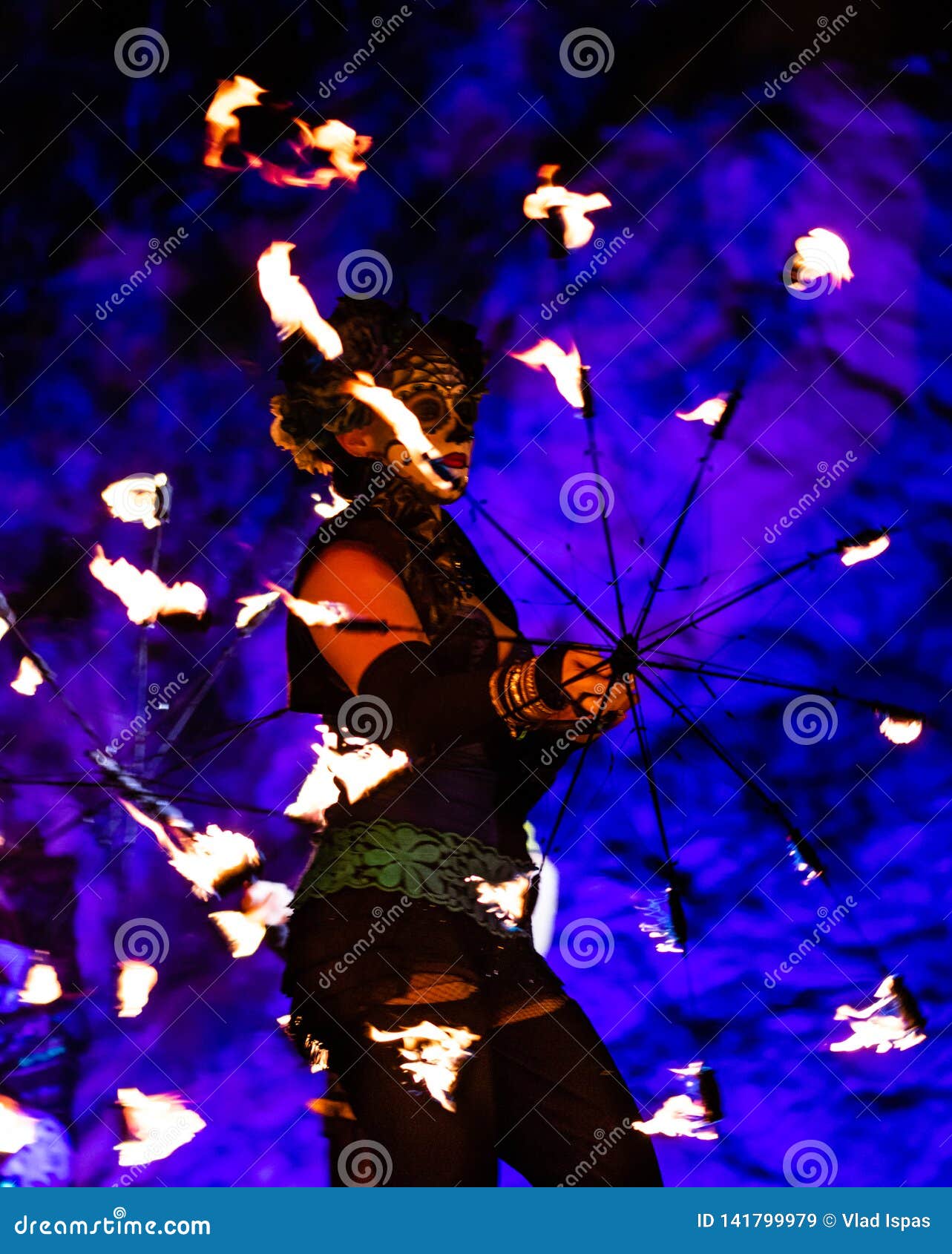
The visual spectacle of Día de los Muertos is undeniably captivating. The streets of Cabo San Lucas come alive with processions and parades, showcasing elaborate floats and vibrant art. Costumed figures embodying calaveras—skulls adorned in traditional clothing—dance through the streets, symbolizing the coexistence of life and death. Photographers will revel in the opportunity to capture these moments, where every street corner brims with color and emotion. The interplay between the festive atmosphere and the poignant reminders of mortality creates striking visuals that resonate long after the celebration has concluded.
In conclusion, the celebration of Día de los Muertos in Cabo San Lucas offers a multifaceted experience for both locals and visitors. The intricately woven tapestry of music, art, cuisine, and spirituality creates an environment where joy and reflection coexist. As the world turns towards the inevitable cycle of life and death, participating in this festival is not merely an act of remembrance but a rich immersion into the heart of Mexican culture. Whether one is dancing in the streets, savoring traditional foods, or simply observing the breathtaking altars, the vibrant celebrations during Día de los Muertos in Cabo San Lucas exemplify the enduring spirit of a community honoring its roots and cherishing its memories.
