
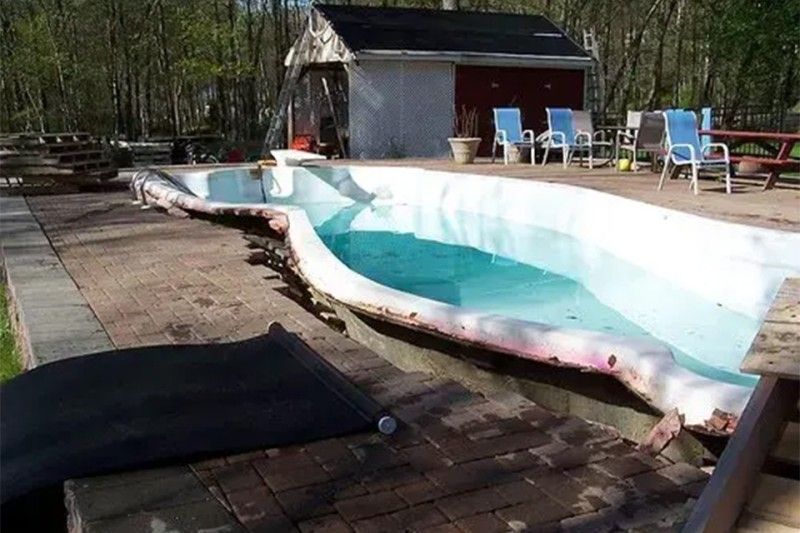

Imagine a tranquil oasis in your backyard, where shimmering water dances under the sun, tempting you with promises of leisure and respite. But what if, amidst this idyllic scene, the concrete behemoth—your beloved swimming pool—decides to rebel, surging up from beneath the earth like a mythical Kraken? This concept is as startling as it is surreal. Let’s dive into the murky depths of concrete pools and explore the ominous possibility of them popping out of the ground.
The phenomenon of pools “popping” out of the ground is not merely the stuff of urban legends. While concrete pools boast durability and permanence, it is crucial to understand the conditions under which they may become unmoored from their earthly anchors. To fathom this scenario, one must first consider the pool’s inherent structure and the forces that govern its stability.
Concrete pools are designed to be strong, resilient caverns of coolness, primarily composed of a steel rebar framework encased in layers of cement. They are heavily anchored into the ground, which contributes to their reputation for steadfastness. However, nature has its say; the relentless forces of groundwater can challenge this stability, particularly in regions prone to heavy rains, floods, or changes in the water table.
When the earth becomes saturated, the water content can apply hydrostatic pressure—think of it as an aquatic uprising. This pressure, if sufficiently potent, can shift the equilibrium, leading to a phenomenon endearingly dubbed “pool pop-up.” Picture it: the once serene pool now metamorphoses into a floating fortress, buoyed by the very water that provides its life. It’s a fascinating yet disconcerting image, reminiscent of an explorer’s vessel rising unexpectedly from treacherous depths.
To grasp the true nature of this occurrence, we must investigate the various contributing factors. One of the primary culprits involves the soil composition surrounding the pool. Clay, for instance, is notorious for retaining water and swelling when saturated. This swelling applies additional upward force on the pool’s structure. On the other hand, sandy or loamy soils may allow for more drainage and less susceptibility to hydrostatic pressure. Consequently, geographical variations directly affect a concrete pool’s stability—and thus its potential to pop up.
Moreover, inadequate drainage systems can exacerbate issues. Without a proper mechanism to channel excess water away from the pool, hydrostatic pressure skyrockets, often leading to disastrous consequences. A pool with a solid drainage system is akin to a ship with a strong hull; it withstands the tumultuous waters rather than succumbing to them. Therefore, incorporating adequate drainage solutions is paramount in ensuring the longevity and security of a concrete pool.
In addition to environmental factors, the construction quality of the pool itself plays a pivotal role. A poorly constructed pool may have insufficient rebar reinforcement or weak bonding between the concrete layers. These defects can amplify the odds of popping as the pool doesn’t possess the structural integrity needed to withstand external pressures. It is vital to work with experienced professionals who understand the nuances of pool construction. Thus, in the quest for a secure pool, prioritize quality above all.
Though the prospect of a pop-up pool may sound alarming, it is essential to temper our fears with preventive measures. Regular inspections can reveal potential issues lurking beneath the surface, thereby allowing for timely interventions. Engineers suggest that homeowners consider annual assessments to evaluate hydrostatic conditions and drainage efficiency. Early detection of burgeoning problems acts as an insurance policy against potential catastrophes.
Furthermore, think of the quirky habits of nature. Seasonal changes can also impact the ground and surrounding soil, particularly in regions subjected to freeze-thaw cycles. In winter, ground freezing can lead to soil expansion, and as the thaw beckons spring, the ground contracts. These cyclical shifts can introduce tension and instability, potentially predisposing pools to rise. Watching the interplay between the seasons and your pool is akin to observing a dynamic dance of elemental forces—one that only the astute observer will predict.
Additionally, it may be prudent to install a hydrostatic relief valve. This clever contraption acts as a pressure release mechanism, allowing groundwater to flow out from under the pool, thus alleviating the formidable hydrostatic pressure. It’s a small price to pay for peace of mind, reinforcing the adage that an ounce of prevention is worth a pound of cure.
Ultimately, the specter of a concrete pool popping out of the ground is as real as the shimmering allure of summer days spent in its refreshing waters. A sense of vigilance is paramount, enabling homeowners to enjoy their pools with fervor while respecting the untamed forces of nature. By understanding the intricate dynamics of hydrostatic pressure, soil composition, and construction quality, pool owners can create a sanctuary that remains unwavering, a balmy retreat that, while afloat in wonder, stays securely anchored to the earth.
In conclusion, a concrete pool, when well-constructed and thoughtfully maintained, provides an inviting aquatic haven—a veritable fortress of leisure amid the swirling currents of life. It becomes a focal point of memories, laughter, and joy, impervious to the whims of nature. So, dip your toes in, revel in the richness of the moment, and let your oasis thrive, anchored firmly to its foundation.
