
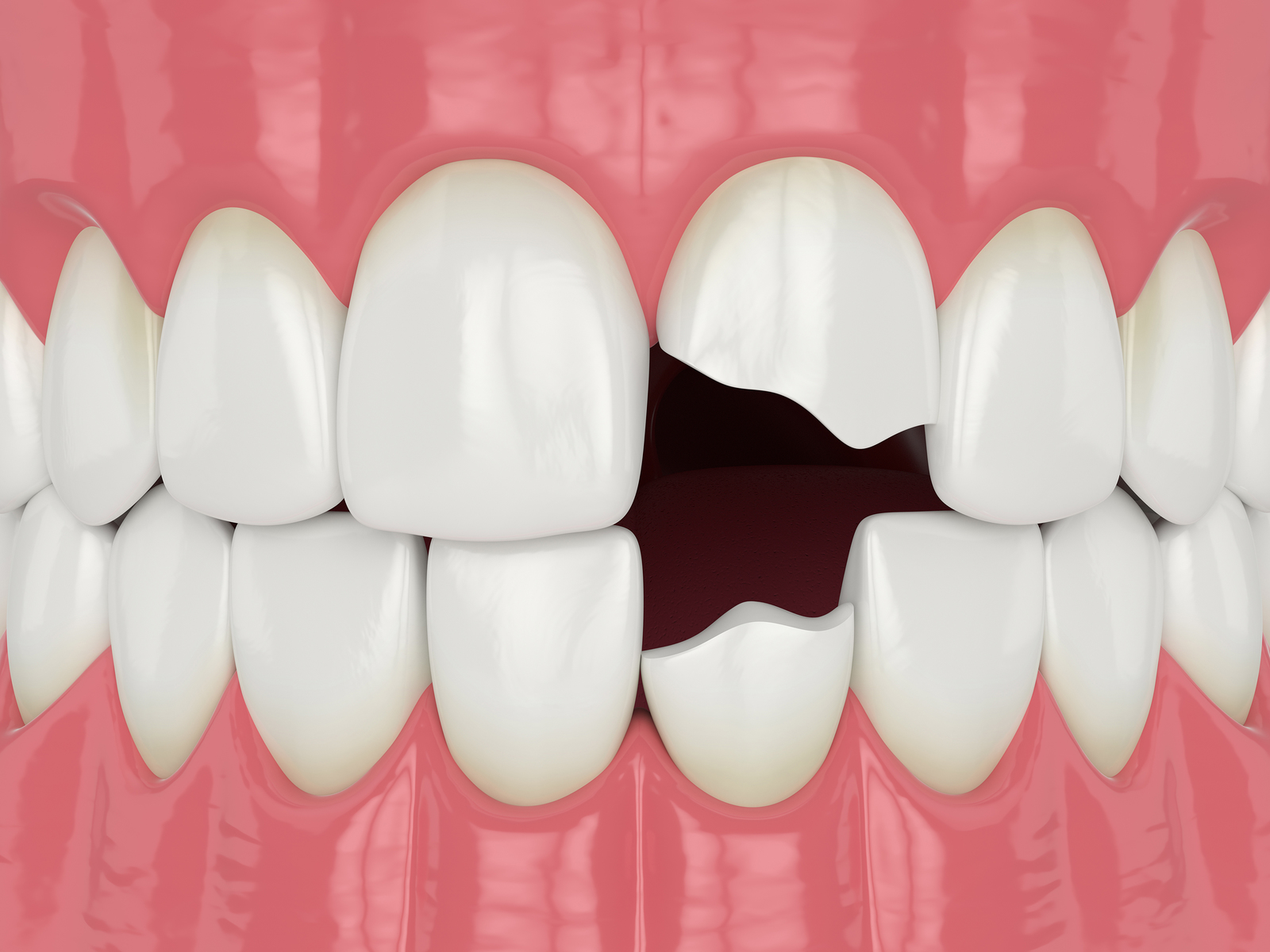

Maintaining tooth health is paramount for ensuring overall well-being. Among the myriad of dental issues, a chipped tooth is a common concern that prompts many to ponder, “Can a small chipped tooth grow back?” This question invariably stirs a plethora of emotions—from fear of dental procedures to hopeful thoughts about natural healing—leading us into an exploration of dental anatomy, healing processes, and treatment options.
To understand the prospect of a chipped tooth regrowing, one must first delve into its anatomy. Teeth are composed of several layers: enamel, dentin, and pulp. The outermost layer, enamel, is the hardest substance in the human body, specially designed to resist the daily rigors of biting and chewing. Beneath this tough exterior lies dentin, which is softer and more porous. The innermost layer, pulp, houses blood vessels and nerves. When a tooth becomes chipped, it often involves damage primarily to the enamel and sometimes to the dentin. Consequently, our inquiry into the potential for regrowth starts here.
Unfortunately, enamel does not possess regenerative abilities. Unlike some tissues in the body that can heal or regenerate, such as skin and bone, once enamel is lost, it cannot regrow. This fact leads to the conclusion that if a small chip occurs, the damage is permanent in terms of enamel restoration. However, the question remains: what are the implications of having a chipped tooth, and how can one manage the condition effectively?
The consequences of a chipped tooth can be manifold. A minor chip may only affect the aesthetics of your smile, causing slight embarrassment. However, the repercussions can escalate if not attended to promptly. Chipping can create sharp edges that can irritate surrounding tissues, leading to discomfort or lesions in the mouth. Additionally, a compromised tooth is more susceptible to decay and sensitivity, as the dentin layer, once exposed, is particularly vulnerable to environmental changes.
In addressing the issue, one must consider various treatment options. Depending on the severity of the chip, a dentist may recommend several solutions. For minor chips, dental bonding is often an effective approach. This procedure entails the application of a composite resin material to the affected area, thus restoring both functionality and appearance. This method is generally quick and can often be completed in a single visit, making it a convenient choice.
For more significant chips, crowns may be the solution. Crowns encompass the entire tooth, providing enhanced protection and restoring its former strength. This option, however, requires more expertise and may span multiple visits, involving the crafting of a custom crown tailored to the individual’s mouth.
In the realm of dental health, prevention is always ideally preferable to treatment. To mitigate the risk of chipping a tooth, individuals should practice sound oral hygiene and avoid habits detrimental to tooth integrity, such as biting on hard objects or grinding teeth. Regular visits to the dentist play a critical role in maintaining tooth health, allowing for early detection and intervention for potential issues that could lead to chips or breaks.
Beyond preventive measures, lifestyle habits greatly impact tooth durability. A balanced diet rich in vitamins and minerals fortifies tooth structure. Calcium and vitamin D are particularly vital for maintaining bone density and structural integrity in teeth, whereas phosphorus aids in remineralization. Conversely, excessive sugar consumption can lead to enamel erosion, making teeth more susceptible to chips.
The psychological ramifications of a chipped tooth should not be underestimated. Many individuals experience a dip in confidence due to visible dental imperfections. Addressing aesthetic concerns is essential not only for physical appearance but also for psychological well-being. Engaging in treatment options not only restores the functionality of the tooth but also reinstates confidence in one’s smile.
To summarize, while a small chipped tooth cannot grow back in the traditional sense due to the irreplaceable loss of enamel, various reconciliation strategies exist. From dental bonding to crowns, modern dentistry offers extensive methodologies to remedy the situation effectively. Moreover, by fostering healthy habits and maintaining a proactive approach towards dental care, individuals can significantly reduce the likelihood of future occurrences.
Ultimately, understanding the implications of a chipped tooth and the necessity of professional intervention can empower individuals to take decisive actions for their oral health. Embracing preventive strategies and seeking timely treatments contributes to the longevity of one’s dental health, ensuring that your smile remains both radiant and resilient.
