
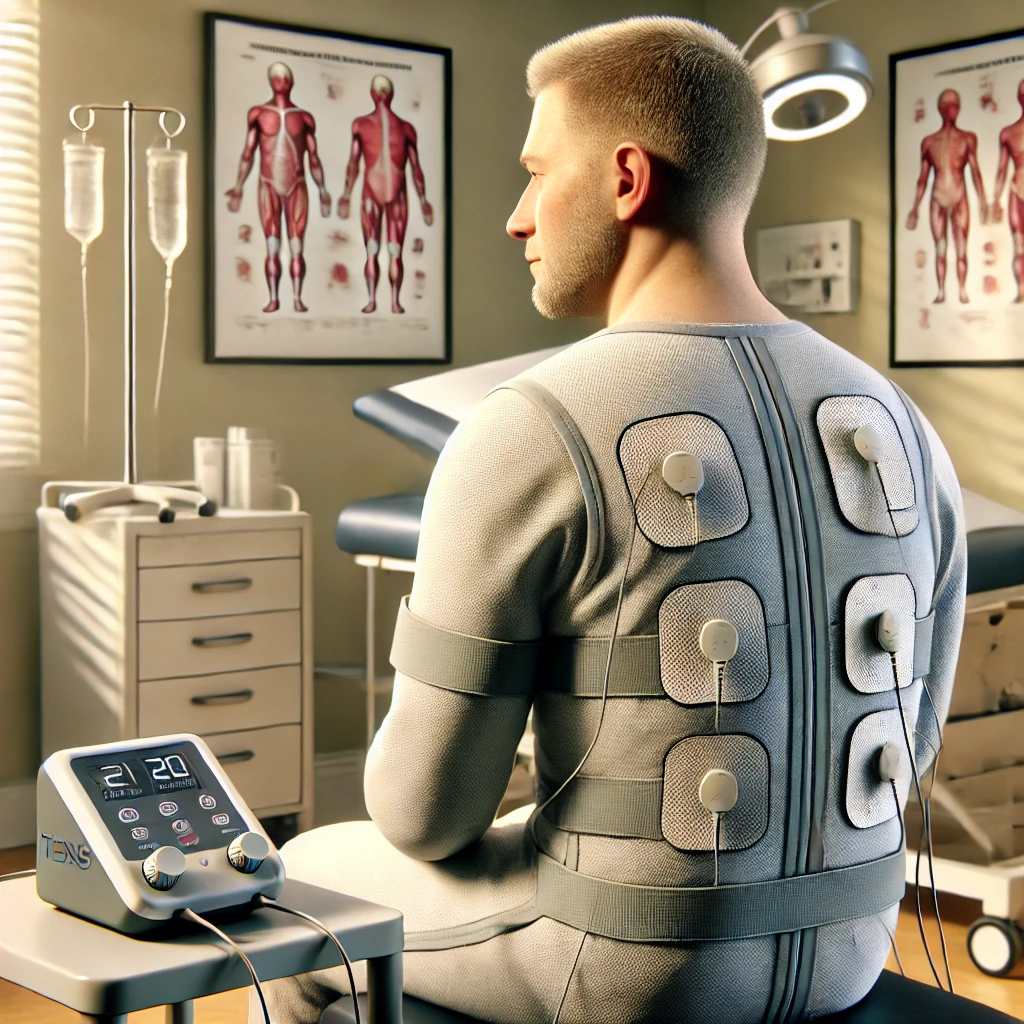

Within the realm of pain management, the Transcutaneous Electrical Nerve Stimulation (TENS) machine emerges as a beacon of hope for many individuals grappling with chronic discomfort. Imagine, if you will, a gentle conductor guiding electricity through a symphony of nerves, orchestrating a melodious relief that resonates through your body. However, as with any instrument, the skill of the conductor—be it the patient or the healthcare provider—can drastically alter the outcome. This predicates an essential question: Can a TENS machine make pain worse?
To decipher this conundrum, we first must tune our understanding of how TENS machines operate. By delivering low-voltage electrical currents via electrodes placed on the skin, TENS machines intend to interrupt pain signals before they reach the brain. It’s akin to a bouncer at a nightclub, ensuring unruly patrons—representing pain—don’t gain entrance to the party of your daily life. But, much like any well-meaning bouncer, if not utilized properly, the TENS machine can inadvertently cause more chaos than order.
The Role of User Intent
The intent behind using a TENS machine is paramount. Some users engage with these devices seeking relief from ailments such as arthritis, back pain, or migraines. Each of these conditions entails its own unique narrative filled with diverse threads of suffering and urgency. However, if the machine is misapplied—such as using the device for too long, at an intensity that is excessively high, or on an area of skin prone to sensitivity or irritation—the outcome may become counterproductive. Instead of gently melding into the fabric of relief, the electrical signals may exacerbate existing discomfort, translating into an experience of heightened anxiety and aggravation.
Understanding Patient Limitations
Moreover, one must contemplate individual physiological differences. Some may possess skin that is hyper-responsive, or may experience adverse reactions due to pre-existing neurological conditions. Analogous to a dance between partners, each person’s body has its unique rhythm and sensitivity. For these individuals, the TENS machine may elicit not a release of pain but a symphony of heightened sensations that could induce discomfort or even pain.
The Importance of Proper Settings
Setting the correct parameters is essential. The TENS machine typically offers various modes and intensities, akin to choosing the right gears for a bicycle ride. Navigating these settings can be a delicate balancing act, one that may make all the difference between a joyous ride and a tiresome slog. Users must start at a low intensity and gradually adjust to gauge their comfort levels. Failure to heed this advice could lead to a scenario where the waves of electrical impulses create an overwhelming sensation rather than the soothing relief intended.
Consultation and Guidelines
Before embarking on the journey with a TENS machine, consulting with a healthcare provider is akin to having a map before setting off on an adventure. A trained professional can offer invaluable insights, tailor settings to the individual’s requirements, and establish whether the underlying pain is suitable for TENS therapy. They can also lend guidance on ideal duration and frequency of use, ensuring that the user remains on the right track.
Potential Myths and Misconceptions
Yet, it is essential to address the myths surrounding TENS machines. One prevalent misconception is that TENS devices can replace more traditional pain management methods, such as medication or physical therapy. In truth, they operate best as a complementary tool rather than a panacea. Many individuals experience optimal results when incorporating TENS into a broader pain management plan, rather than relying solely on it, which might lead to unmet expectations and consequently, increased frustration.
Monitoring Responses
Monitoring one’s reactions to the TENS therapy is crucial. Much like observing the weather patterns after a storm, users should remain vigilant about how their body responds to the treatment. A sudden uptick in pain levels after using the device can serve as a red flag. It signals that the current settings may need adjustment or that the application of the TENS may not be appropriate for that specific session. Keeping a journal can aid users in tracking their experiences, allowing them to discern patterns that could inform future use.
The Bottom Line: Pain Management Harmony
In conclusion, the TENS machine, while a promising ally in the quest for pain relief, requires a nuanced understanding and respectful approach. When used judiciously and in alignment with medical advice, it can enhance the quality of life for many. Yet, it simultaneously holds the potential to exacerbate pain if wielded without caution or knowledge. Like any tool in the vast toolkit of pain management, finding harmony is paramount. The key lies in knowing one’s body, leveraging expert advice, and striving for balance, transforming the TENS machine from a source of potential discomfort into an instrument of relief.
As you embark on your journey with a TENS machine, may the currents of understanding and safety guide you, ensuring that the melody of your healthcare repertoire remains harmonious and uplifting.
