

Dental care encompasses more than just brushing your teeth; it’s a comprehensive approach that includes regular check-ups, cleanings, and, in some cases, restorative procedures such as fillings. After receiving a filling, many individuals ponder whether they can resume their usual dental hygiene routine, particularly when it comes to flossing. The question, “Can you floss after a filling?” is not just a simple query—it opens the door to a world of understanding about dental health post-procedure.
Let’s begin by demystifying the dental filling itself. A filling is a restorative material placed in a tooth to restore its structure and function following damage from decay or trauma. Common filling materials include amalgam, composite resin, and gold. Each of these materials offers distinct advantages, yet they all share a common purpose: to protect the tooth and summon it back from the brink of further deterioration.
Once the procedure concludes, and the anesthetic wears off, many individuals may experience a strange juxtaposition of eagerness to return to normal routines and apprehension about the new sensations in their mouth. The question arises: Should you dive back into your flossing habit, or is there a necessary pause?
In the throes of excitement, it might be easy to assume that you’re safe to resume flossing immediately after getting a filling. However, the truth is a bit more nuanced. While dental professionals typically advise waiting a short time before resuming such practices, the underlying rationale is multi-faceted. After a filling, especially if it’s a recent procedure, your mouth may be tender or sensitive. The gums can also be inflamed or slightly irritated from the procedure itself, making immediate flossing potentially uncomfortable or even harmful.
For most scenarios, it’s advisable to wait at least 24 hours before you introduce floss back into your routine. Allowing that brief period can lead to a smoother transition, enabling your gums to settle and adjust to the filling material. Additionally, if you received a composite filling that requires curing with a light, it’s beneficial to give the filling the opportunity to harden completely before any rigorous dental hygiene practices.
Still, there’s more to this story. The act of flossing is not merely a mechanical gesture; it’s a crucial aspect of oral hygiene that helps prevent cavities and promotes gum health. When you floss properly, you remove food particles and plaque that brush bristles may miss, thereby maintaining the sanctity of your oral ecosystem. Thus, while the advice is to abstain initially, it does not negate the importance of flossing as an ongoing practice.
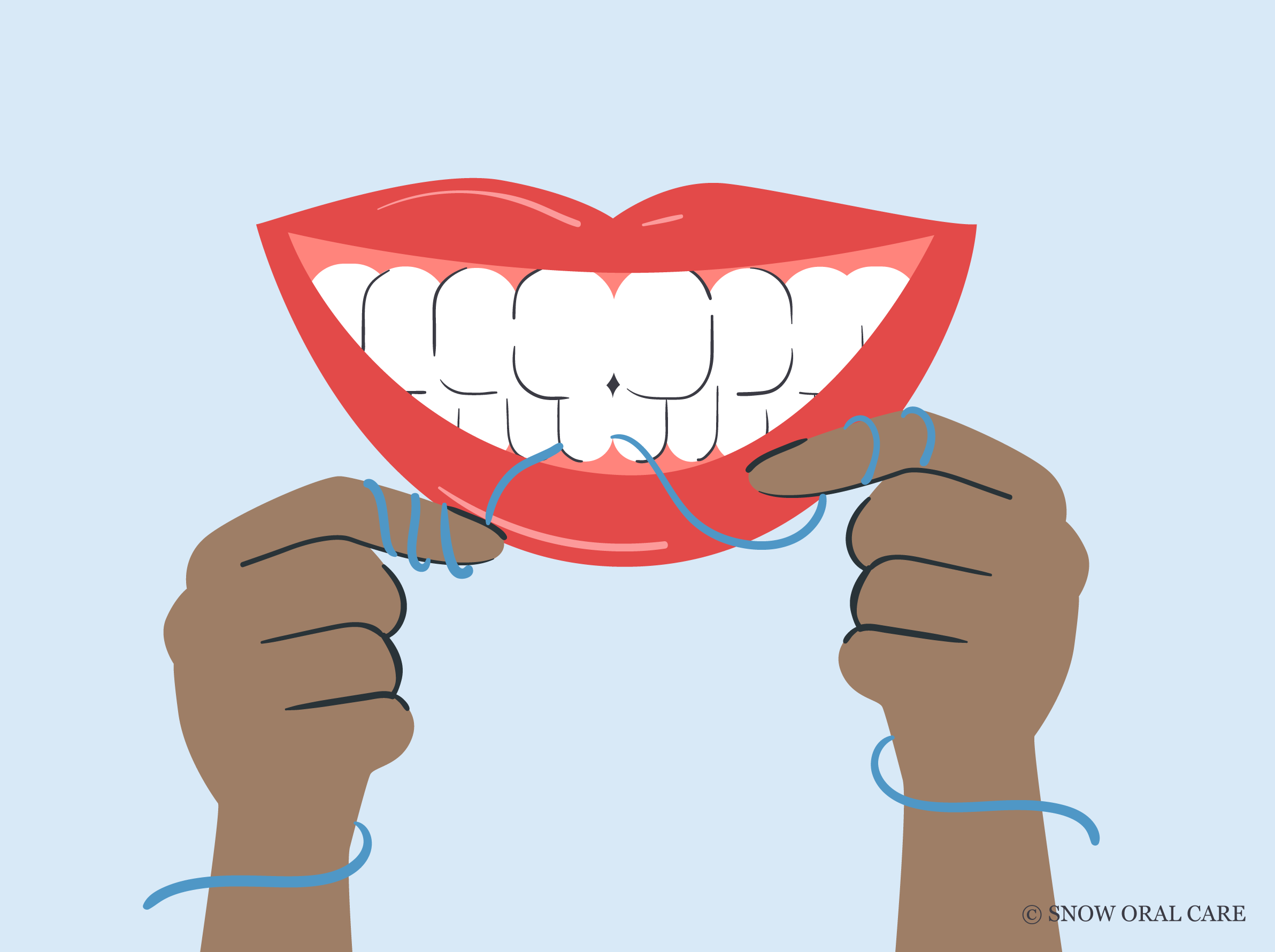
So, when you do return to flossing, how can you do so in a way that is gentle on your newly filled tooth? The answer lies in technique. Opt for waxed dental floss, which glides more smoothly between teeth and is less likely to snag on sensitive areas. Approach the task with care—avoid aggressive sawing motions. Instead, use a soft up-and-down motion, and gently curve the floss around the newly filled tooth to avoid applying undue pressure. This mindful approach can alleviate potential discomfort while still reaping the rewards of flossing.
Curiosity may drive some individuals to inquire whether there are any alternative practices to consider. Perhaps you might consider interdental brushes or dental picks as adjuncts to destroy plaque in those tight spaces. These tools can come in handy, particularly if traditional flossing poses challenges after having a filling. Yet, it’s worth discussing these options with your dentist to ensure you’re utilizing methods that complement your personal dental landscape.
As you delve deeper into the realm of post-filling dental care, it’s vital to monitor any sensations in the filled tooth. If you experience persistent sensitivity or discomfort while flossing, it’s prudent to consult your dental professional. Sometimes, a filling might need refinement or further adjustment. Listening to your body and fostering an attunement to your overall dental health can be transformative, enabling you to maintain a flourishing smile.
Moreover, let’s not overlook the fundamental principles of preventive care. While addressing the question of flossing after a filling is important, it’s just as crucial to engage with proactive measures that can minimize future dental issues. Regular dental check-ups become indispensable, allowing your dentist to surveil your oral health status and address any concerns before they escalate. Home care should encompass brushing with fluoride, a balanced diet low in sugar, and adequate hydration—all vital components in safeguarding your smile.
In summary, while the inclination might be to dive into flossing right after receiving a filling, exercising patience and mindfulness can go a long way toward ensuring optimal dental health. After giving your gums the respect they deserve by allowing a brief period of adjustment, the benefits of a proper flossing routine cannot be overstated. Take the time to invest in your dental hygiene by employing gentle techniques and staying in tune with your oral health. With the right approach, you can maintain a beautiful and healthy smile, fostering confidence that resonates in every aspect of your life.
