
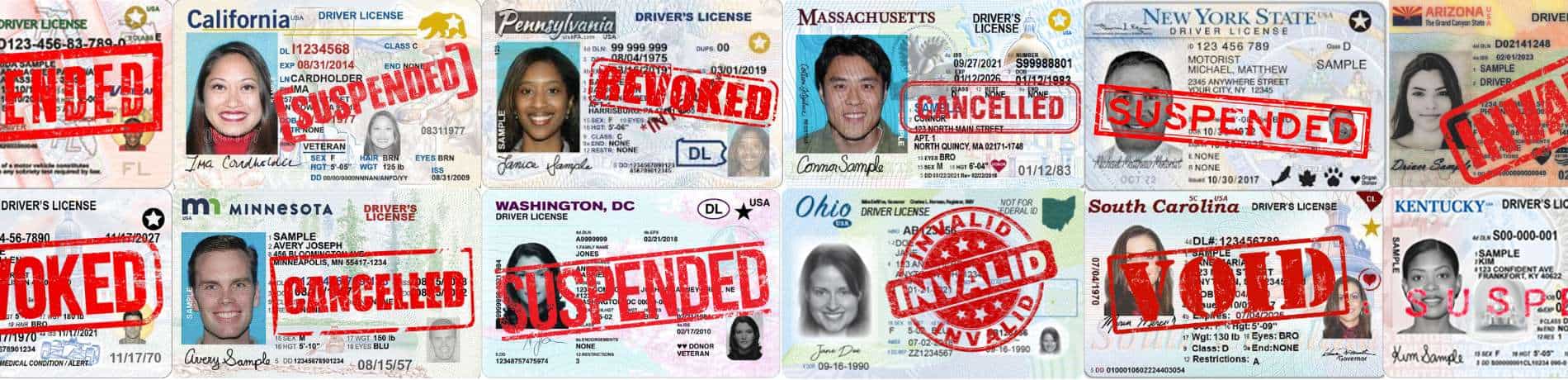

Have you ever found yourself pondering a provocative question: “Can the IRS really suspend my driver’s license?” It sounds like a plot twist from a gripping legal drama, doesn’t it? Yet, the reality is more straightforward than you might expect. The IRS itself does not directly suspend driver’s licenses. However, under certain circumstances, your driving privileges could indeed be jeopardized over tax debts. How does this happen, and what can you do to avoid such a predicament?
To grasp the full scope of this subject, let’s delve into the intricacies of tax regulations and their potential repercussions on your driving privileges. For most individuals, driving is not just a matter of convenience; it’s often essential for daily life. Whether it’s commuting to work, ferrying your children to school, or running errands, our cars facilitate numerous activities that we often take for granted.
Now, if we consider the mechanisms that could lead to a license suspension, the puzzle begins to take shape.
First and foremost, let’s explore the foundations of tax debts. If you owe money to the IRS in the form of back taxes, they possess an arsenal of collection tools at their disposal to ensure the repayment of taxes owed. One of these mechanisms involves working in conjunction with state departments of motor vehicles (DMVs). This is where things can become a bit convoluted.
Several states have laws that permit the suspension of a driver’s license for various shortcomings, including failure to pay taxes. This means that while the IRS itself may not have the authority to confiscate your license, your state can implement measures to suspend it if you owe significant tax payments and fail to respond to their collection attempts. It’s a kind of collateral damage stemming from tax delinquency. But let’s investigate how this convoluted process unfolds.
Pursuing your taxes requires a diligent approach. If the IRS has placed a lien on your assets due to unpaid taxes, and you continue to disregard communication from both the IRS and your state’s tax authority, this can escalate. The state may step in, leading to a suspension of your driver’s license as a form of enforcement. This is often implemented to apply a tangible consequence for those who aren’t complying with tax obligations.
So, what can you do to unlock this challenge and keep your driving privileges intact? First and foremost, communication is key. If you receive a notice regarding tax debts, it’s imperative to address the situation proactively. Responding promptly not only demonstrates a willingness to resolve the matter but can provide options for repayment plans or other arrangements.
Another avenue to consider is to explore tax mitigation strategies. This could involve negotiating with the IRS for an Offer in Compromise (OIC) where you can settle your tax debts for less than the total amount owed, given you meet specific criteria. It’s worth mentioning that while the process might appear daunting, you’re not alone. Numerous tax professionals specialize in these matters and can guide you through the convolutions of the tax labyrinth.
You may find solace in knowing that state laws governing license suspensions for tax debts vary greatly. States like Florida, for instance, have enacted measures that can lead to the suspension of a driving license if back taxes aren’t resolved within stipulated timelines. Conversely, other states might not impose such strict penalties. Familiarity with your state’s regulations is crucial. It’s a classic case of “knowledge is power.”
Lastly, it’s worth mentioning that if your license does get suspended due to tax reasons, you typically have the right to contest it. Each state has its own set of procedures for appealing administrative decisions, and should you find yourself in this situation, consulting with a qualified attorney who specializes in tax creditors could be beneficial. They can help you navigate the appeals process and potentially reinstate your driving privileges.
To summarize, while the IRS itself doesn’t suspend your driver’s license, the consequences of tax delinquency can indirectly lead to such a scenario. Being vigilant about your tax responsibilities, communicating with tax agencies, and seeking professional advice can help you sidestep the precarious situation of a suspended license. After all, driving is indispensable in our modern lifestyle, and it’s crucial to keep that avenue open.
The ramifications of failing to address tax issues can ripple into various aspects of life—none more so than your ability to drive legally. So, the next time someone asks, “Can the IRS suspend your driver’s license?” you can respond with a confident, informed perspective. As you navigate your financial obligations, remember that maintaining clear lines of communication and understanding your rights is the best way to steer clear of trouble on the road ahead. Drive responsibly—both on the road and when it comes to your taxes!
