
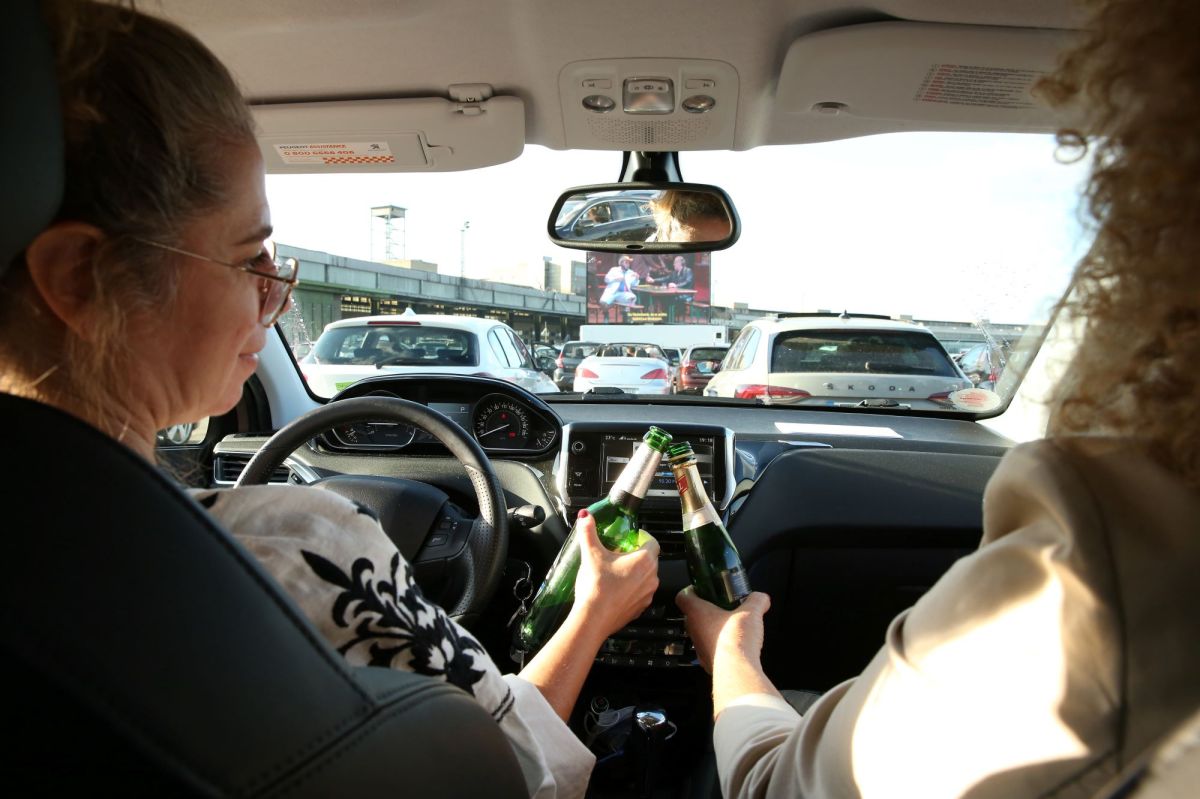

As the sun sets and the rhythmic hum of the open road beckons, a common sight emerges: friends gathered in a car, laughter intermingling with the crisp air, perhaps toasting with a drink. This imagery invites myriad emotions and prompts a valuable question: Can the passenger drink in a car? While one may assume an unequivocal answer exists, the reality is more nuanced, steeped in legalities, safety considerations, and cultural attitudes.
To unpack this subject, we must first explore the legal landscape. Drunk driving laws vary significantly from state to state. In many jurisdictions, passengers are not prohibited from consuming alcohol while in a vehicle. Yet, the complexity increases when we consider the vehicle’s location and the actions of the driver. If the car is in motion, specific laws may be triggered, especially if the driver is intoxicated.
In some states, open containers of alcohol are expressly forbidden in the passenger area unless in a designated area, like the trunk. Conversely, in states where there are no such prohibitions, passengers may legally enjoy their beverages. However, the safe and sensible nature of the activity remains paramount. A passenger actively consuming alcohol can inadvertently escalate the risk of harm if the driver is irresponsible.
Furthermore, let us not overlook the potential for distraction. Drinking in the passenger seat can create various dynamics—some light-hearted, others perilous. A clinking bottle or the joy of sharing a drink can invite merriment, yet it could also divert attention from the primary focus: the road ahead. Safety remains the foremost priority, and fostering an environment encouraging reckless behavior, even unintentionally, can have dire consequences.
Beyond the legal implications, we must also contemplate societal perceptions. Culturally, the act of drinking in a car often evokes imagery of road trips, picnics, or late-night escapades. It enhances the sense of freedom, of adventure. Yet, societal judgment can swiftly change depending on the setting. For example, an afternoon tailgate may be viewed benignly, whereas a late-night outing might garner raised eyebrows, underscoring the precarious balance between societal norms and personal choices.
Moreover, the allure of drinking in a vehicle feeds a fascination with freedom and a sense of rebellion. In an era where ridesharing and personal responsibility are emphasized, the act of consuming alcohol in a car might evoke nostalgia for a simpler time, where the road stretched endlessly before adventurers sans concerns. This juxtaposition between past liberties and modern caution captures the imagination and invites deeper reflection on how culture shapes our habits.
As we delve deeper into the psychological aspects, one must ponder the motivations behind the desire to drink in a car. Is it a quest for social bonding, a way to engage in camaraderie? Or perhaps a defiant nod to the constraints placed upon us by law? Understanding these underlying motivations invites us to examine not just the action, but the cultural narrative surrounding it.
While some may argue that enjoying a drink as a passenger is harmless, it’s crucial to consider the broader implications. Alcohol can alter perceptions and restraint, even in passengers. Incidents of passengers leading the driver to drink more heavily or encouraging reckless driving behavior are not uncommon. This scenario poses a moral quandary: should the passenger’s enjoyment come at the potential expense of the driver’s safety?
Alternatives abound that enable social drinking without the accompanying risks. Embracing designated drivers or utilizing rideshare services can cultivate a more responsible drinking culture. Policies promoting open dialogues about safe transportation choices can serve to educate and inform, thereby elevating the overall communal understanding of consumption and responsibility.
Another element worth mentioning is the technological advancement reshaping our interactions with alcohol. Mobile apps that promote safe drinking by ensuring drivers maintain sobriety advocate for responsibility while embracing a social drinking environment. This shift reflects a growing awareness toward the dualities of enjoyment and accountability. It’s a practical approach that recognizes both the desire for social enjoyment and the overwhelming need for safety.
In conclusion, while the answer to whether a passenger can drink in a car leans on legalities and personal responsibilities, the matter also encompasses societal attitudes, cultural implications, and personal safety. It invites individuals to reflect on their actions and the reasons that motivate them. Ultimately, the focus should shift from mere legality to embodied wisdom—pairing freedom with responsibility to ensure that choices made within those four wheels nurture safety, joy, and camaraderie.
The open road remains a frontier where lives interweave. It’s a canvas painted with laughter, memories, and experiences. As you embark on your journey, consider the choices that accompany each adventure. Whether it’s enjoying a drink in the dusk or savoring the simplicity of friendship, may the spirit of responsibility guide your path.
