
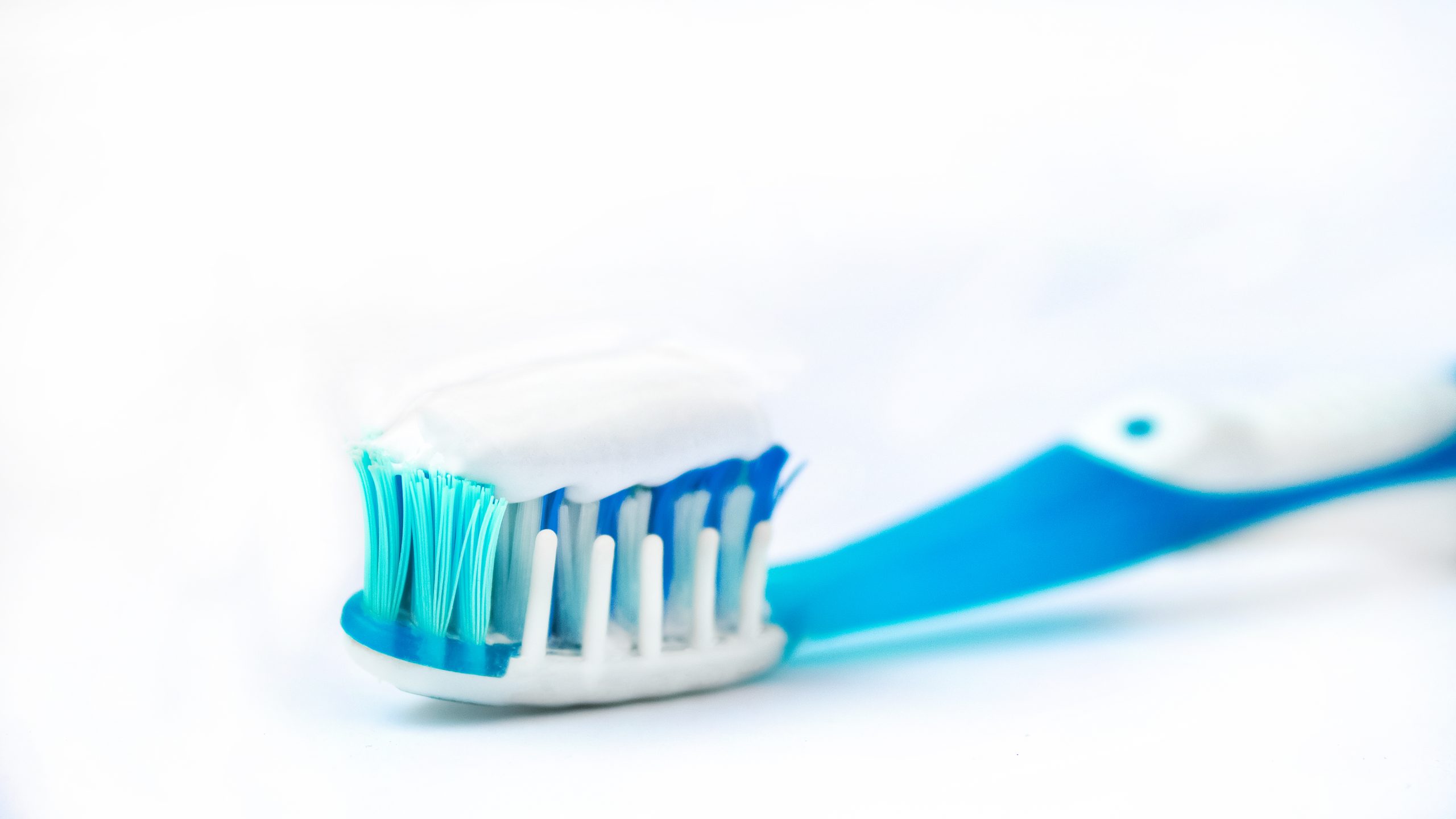

Imagine a world where the humble toothbrush transforms from a mere dental hygiene tool into a harbinger of genetic revelation. Fascinating, isn’t it? This simple utensil, often dismissed as an everyday object, has more potential than many might realize. Let’s embark on a journey to explore the intriguing proposition: can a toothbrush be used for a DNA test?
The science of genetics has captivated humanity’s curiosity for decades. With every advancement, we uncover the intricate tapestry of our heritage, unlocking the secrets hidden within the double helix. DNA testing typically invokes images of intricate laboratories, swabbed cheek cells, and complex machinery. However, the toothbrush offers an innovative alternative—a gateway to our genetic blueprint that is surprisingly accessible.
The primary mechanism through which DNA testing operates is the extraction of genetic material. Each hair or cell in our body holds a fragment of our identity, and the toothbrush gathers these fragments every day during our routine. When we brush, microscopic cells from our gums and oral cavity subtly intermingle with the bristles, creating a silent archive of our unique genetic information.
In a charming way, the toothbrush acts as a time capsule. Think of every stroke as a gentle brush against your history, collecting remnants of your identity that could yield insights into ancestry, predispositions to certain health conditions, or even traits inherited from generations past. The notion that a simple act—brushing one’s teeth—can weave a narrative of familial connections is not merely poetic; it is rooted in the scientific possibilities that lie within those collected cells.
However, the idea of utilizing a toothbrush for DNA testing raises essential questions. Is the process effective? Are there limitations to this unconventional method? The answers reside within the mechanism of DNA extraction itself. Samples collected from a toothbrush can provide viable DNA for analysis, much like traditional swabbing methods. The caveat, however, is the quality and quantity of the DNA caught on the bristles. Factors such as oral hygiene, the age of the sample, and the individual’s unique biology can impact the results. It becomes a gamble—a lottery of sorts, where luck and circumstance dictate the outcome.
For those intrigued by the novelty of testing their ancestry, DNA extracted from a toothbrush can serve as a fascinating starting point. In recent years, some companies have capitalized on this innovative approach, providing kits that enable individuals to collect samples using their toothbrushes. This user-friendly mechanism democratizes genetics, allowing anyone with a toothbrush to delve into the depths of their lineage.
The allure of using a toothbrush for DNA testing lies not only in its accessibility but also in its narrative potential. Each extraction can tell a story—the tale of migrations, cultural intersections, and even hidden identities that may lie within our genetic fabric. Imagine holding in your hands a collection of genetic data that serves as a bridge to your past. It is akin to unfolding an ancient scroll, revealing names of ancestors long forgotten, where each letter tells a tale of resilience and tradition.
Yet, as we navigate this fascinating landscape, ethical considerations arise. With the power to unveil hidden truths comes the obligation to wield that power responsibly. The act of uncovering one’s heritage may also lead to unexpected revelations, including undisclosed family secrets or connections that disrupt previously held beliefs about lineage. It becomes imperative to approach such testing with a sense of emotional readiness, for the truth—like a two-edged sword—can bring both enlightenment and turmoil.
Furthermore, security and privacy concerns loom large in the realm of genetic testing. As data becomes increasingly digitized and accessible, the potential for misuse raises valid apprehensions. Utilizing a toothbrush as a sample source introduces an intriguing paradox: what begins as a personal journey can inadvertently transform into a data point within a larger genetic database. As individuals embrace this cutting-edge technology, awareness of the implications of sharing one’s genetic information becomes paramount.
Notably, the excitement of using a toothbrush for DNA analysis amplifies the importance of understanding our genetic make-up. Beyond tracing lineage, DNA testing can offer insights into health predispositions and help individuals make informed decisions about their well-being. This fusion of knowledge empowers people, removing the veil of uncertainty surrounding hereditary diseases and guiding them towards proactive health choices.
In conclusion, the question, “Can a toothbrush be used for a DNA test?” evokes a rich tapestry of thoughts and reflections. It symbolizes the intersection of the mundane with the extraordinary, where an everyday object holds the keys to unraveling centuries of genetic history. While its efficacy presents certain challenges, the narrative potential and insights gleaned from such tests are undoubtedly appealing. As we embrace this trend, let’s tread thoughtfully, cherishing the stories told through the lens of our DNA while remaining vigilant stewards of our genetic information. The toothbrush, once confined to the bathroom countertop, has emerged as a vessel of discovery, inviting us to unearth the legacy woven into our very being.
