

As the popularity of restrictive diets continues to swell, many individuals are keen to explore the intricacies of each culinary choice. Among these diets, the carnivore diet stands out, advocating for a regimen almost exclusively comprised of animal products. With this context, a pressing question emerges: can you drink coconut water while adhering to the carnivore lifestyle? To systematically address this question, we will delve into the principles of the carnivore diet, the nutritional profile of coconut water, and the implications of integrating plant-based beverages into a meat-centric diet.
Firstly, it is pertinent to comprehend the core tenets of the carnivore diet. This restrictive eating plan predominantly encourages the consumption of meat, fish, eggs, and select dairy. Supporters argue that such a diet can lead to myriad health benefits, including weight loss, enhanced mental clarity, and potential reductions in inflammation. However, the diet is devoid of carbohydrates and any plant-based foods, which brings us to the crux of our inquiry about coconut water.
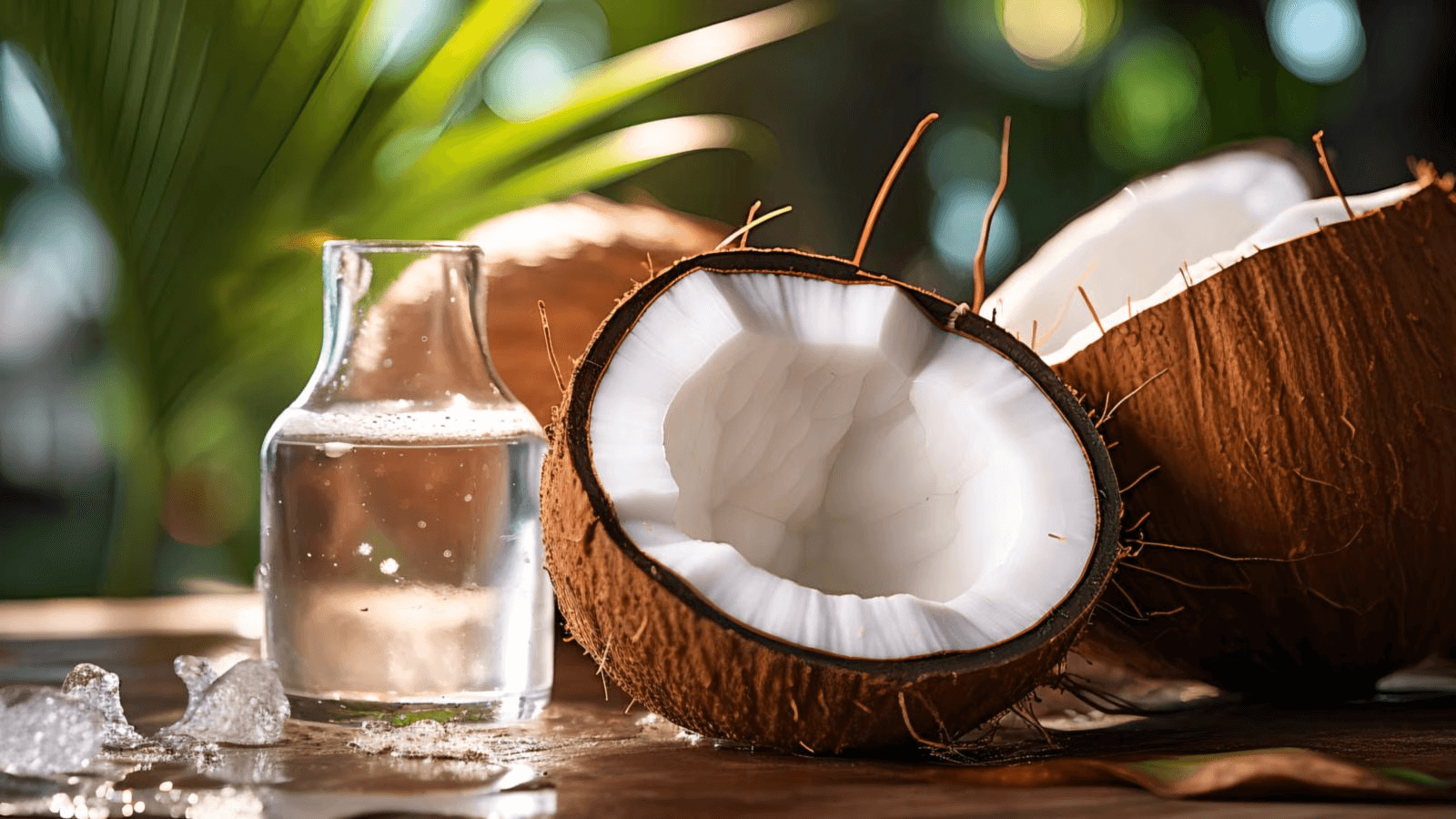
Coconut water, a refreshing and hydrating beverage drawn from young coconuts, is often celebrated for its natural electrolytes and beneficial nutrients. It contains potassium, sodium, and magnesium, contributing to hydration and balancing electrolytes, making it a favorite among athletes. Furthermore, coconut water is low in calories and sugar compared to other beverages, presenting a guilt-free option for many. Nevertheless, its classification as a plant-based product raises eyebrows amongst devoted carnivores.
To ascertain whether coconut water fits within the parameters of the carnivore diet, consider the philosophy of strict adherence. Purists argue that the consumption of anything derived from plants contradicts the fundamental principles of this diet. From this standpoint, integrating coconut water may not only be unorthodox but also potentially counterproductive. The carnivore diet espouses a return to ancestral eating patterns that inherently exclude plant-based foods.
Yet, dietary flexibility exists at the far reaches of this ideology. Some adherents to the carnivore diet adopt a more liberal interpretation, allowing for occasional consumption of non-animal products, particularly those deemed beneficial or necessary for well-being. Coconut water might, in certain instances, fall into this category. For individuals engaging in high-intensity workouts or experiencing electrolyte imbalances, the hydrating properties of coconut water can be immensely advantageous.
In discussing the inclusion of coconut water in a carnivore eating approach, it’s crucial to explore the individual’s health objectives and personal tolerance. While strict carnivores may dismiss the idea entirely, others may find that a small quantity of coconut water provides a necessary reprieve from monotony and enhances performance or recovery. This approach embodies a rather pragmatic view of dietary choices, where the primary focus is on how food makes one feel, rather than unwaveringly adhering to dietary dogmas.
Moreover, the carbohydrate content of coconut water warrants attention. One cup typically contains about 9 grams of carbohydrates and 6 grams of sugar. While this is significantly lower than other sugary beverages, it can still provoke a metabolic response not typically desired within a carnivore framework. For those diligently tracking their macronutrient intake, even this modest amount might contravene their dietary goals.
It’s also essential to recognize the psychological aspect of diet. The carnivore diet, in its essence, can lead to monotony over time, which might prompt cravings for tastes and textures beyond meat. In this dynamic, coconut water may serve as a refreshing diversion that rekindles one’s enthusiasm for healthy living. However, one must be cautious not to let such occasions devolve into a slippery slope, where the inclusion of one plant-based item leads to an erosion of dietary discipline.
Ultimately, the decision to incorporate coconut water into a carnivore diet should be based on individual circumstances. Understanding personal health goals and responses to dietary changes is paramount. If an individual finds that a small amount of coconut water enhances their hydration levels and does not incite cravings for other plant products, then it could be considered a benign addition. However, for those seeking strict adherence and experiencing benefits from a comprehensive carnivore approach, abstaining from coconut water may be the wisest choice.
In summary, the inquiry into whether one can drink coconut water while on the carnivore diet reveals the complexities of individual dietary practices and beliefs. While strict carnivore adherents may eschew any non-animal-derived products, some may find value in including hydrating and nutritious beverages like coconut water. Ultimately, the path to dietary fulfillment is highly personal, and constructive experimentation may reveal insights aligned with one’s health aspirations. As dietary landscapes continue to evolve, the conversations surrounding what constitutes an ideal diet will remain nuanced, layered, and deeply individualized.
