
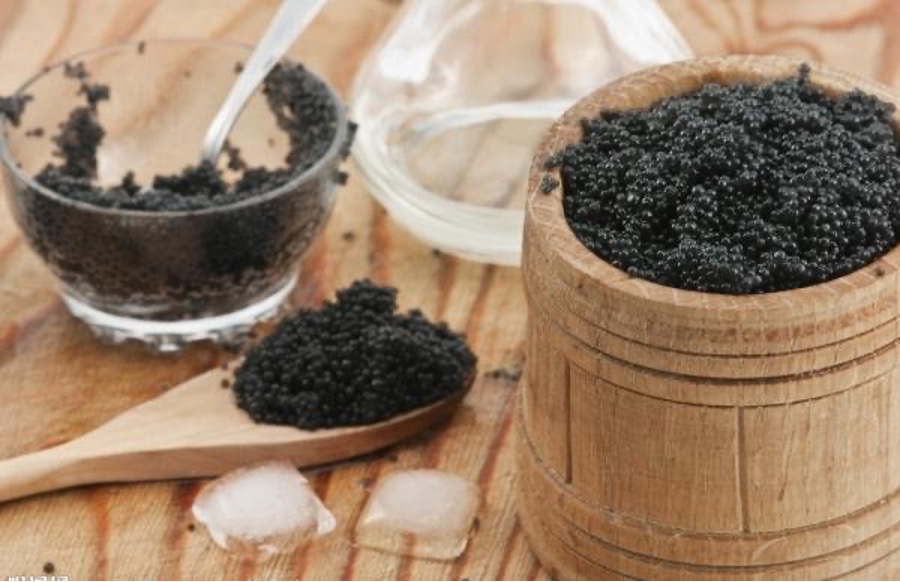

Expecting a little one brings with it a plethora of questions surrounding what is safe to consume and what should be avoided. One food item that often garners curiosity is caviar—a luxury delicacy often associated with fine dining and opulence. However, in the context of pregnancy, is it safe to indulge in this salty treat? Let’s dive into the intricate world of caviar and explore its implications during this unique time in life.
Caviar is the luxurious roe or eggs from sturgeon and other fish. Renowned for its exquisite flavor and cultural significance, particularly in various cuisines across the globe, caviar is often deemed a gourmet treat. However, when you are pregnant, every morsel you consume warrants careful consideration. The first point of intrigue when it comes to caviar is its nutritional profile. Rich in omega-3 fatty acids, protein, and essential vitamins, caviar can offer benefits, but are those benefits worth the risks?
One of the prevailing concerns regarding caviar—especially when discussing pregnancy—is the potential for contamination. Just like fish, caviar can carry toxins and harmful bacteria, especially if not sourced and handled properly. Raw or undercooked products increase the likelihood of exposure to bacteria like listeria, which can severely affect both mother and baby. This slightly ominous view prompts an essential conversation about sourcing and quality. In an era where farm-to-table practices are becoming the norm, ensuring you choose caviar from reputable suppliers can help alleviate some of these worries.
Now, let’s delve into the fascinating aspect of the omega-3 fatty acids found in caviar. These fatty acids, particularly EPA and DHA, are renowned for their role in fetal brain development. As a pregnant individual, the incorporation of omega-3s into your diet can be beneficial not only for your own well-being but also for your baby’s growth. However, while caviar is a concentrated source of these beneficial fats, it is crucial to weigh the advantages against the risk of foodborne illness.
So, what does current research suggest? The consensus among health professionals is an evolution in perspective. It’s not just a simple yes or no regarding caviar consumption during pregnancy. Many nutritionists recommend moderation and caution. If you’re considering indulging in this delicacy, opting for pasteurized caviar might be a safer choice. Pasteurization eliminates harmful bacteria, significantly reducing health risks while allowing you to enjoy this luxurious treat.
Another factor to consider is sodium content. Caviar is naturally high in salt, which can be problematic for individuals who are pregnant due to the risk of elevated blood pressure and water retention. Managing sodium intake is especially important during pregnancy, so if you decide to indulge in caviar, balance it out with plenty of fresh fruits, vegetables, and other low-sodium options to maintain overall health.
It may also be worth exploring the cultural significance of caviar in various societies. In many cultures, caviar is not just a food item—it’s a celebration of milestones and special occasions. The idea of enjoying caviar during pregnancy, while keeping some of the aforementioned risks in mind, can prompt a new level of appreciation for this delicacy. Perhaps, rather than shunning it entirely, it can be celebrated as part of a special ritual during key moments in your pregnancy, provided that all precautions are taken.
As we traverse the terrain of dietary choices during pregnancy, it’s imperative to engage in an ongoing dialogue with healthcare providers. Consulting with a medical professional or a registered dietitian can lend clarity and guidance tailored to your unique dietary needs and preferences. They can offer personalized advice, considering your health history and any existing conditions that may require additional attention.
Interestingly, the refined world of caviar requires us to contemplate not just the physical effects on the body, but also the psychological aspects of craving and savoring forbidden treats. The tension between cravings and cautions during pregnancy is a common theme. The allure of indulging in something as exquisite as caviar can evoke feelings of nostalgia and luxury, elements that can enhance well-being when appropriately managed.
In conclusion, caviar can still have a place on the culinary stage during pregnancy, granted that one approaches it with mindfulness and moderation. Embracing this journey does not necessitate the complete denial of indulgences but rather a nuanced understanding of how to enjoy them safely. If moderation and careful sourcing align with your goals, caviar may just become an occasional delightful treat in your pregnancy repertoire. It’s all about perspective; acknowledging the luxury and history of caviar while prioritizing health can lead to an enriching culinary experience, one that honors both personal cravings and maternal responsibility. Explore the possibilities—after all, a little shimmer of indulgence amidst the world of pregnancy can be celebrated, one careful bite at a time.
