
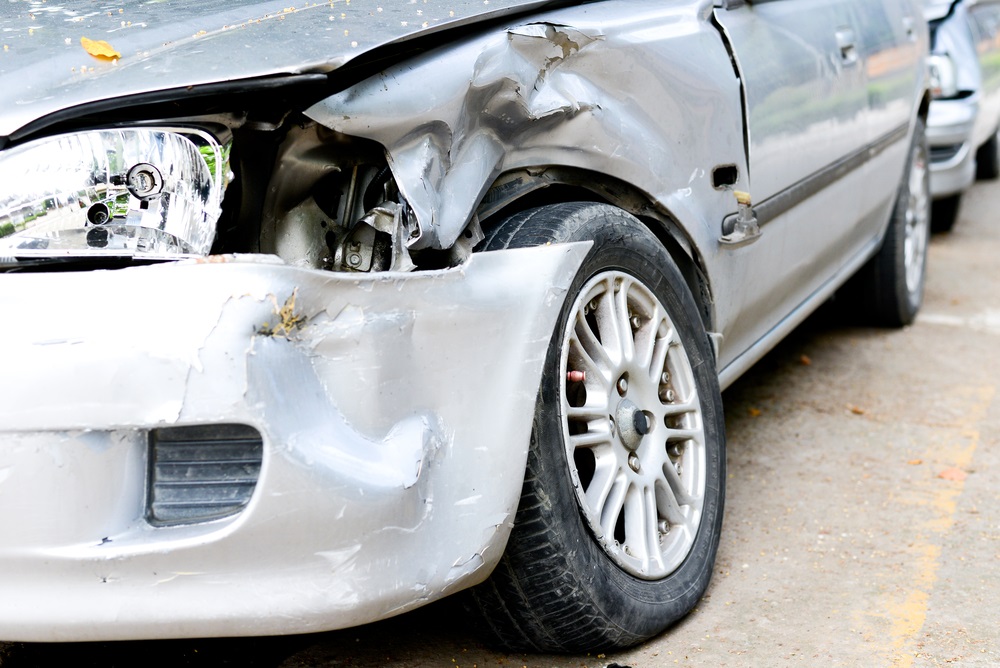

When life hands you a totaled vehicle, a myriad of questions arises, particularly in the realm of what can be done with it. For residents of New York, the inquiry of whether one can keep a totaled car is not just about lingering attachments to a beloved vehicle; it dives deeper into the complexities of state laws, insurance policies, and the varied emotions tied to ownership. This exploration provides insight into the multifaceted reasons behind such inquiries and the implications of keeping a car deemed a total loss.
To begin with, let’s clarify what a “totaled” car genuinely means. Typically, an automobile is classified as totaled when the estimated costs of repairs exceed a certain percentage (commonly 70% to 80%) of its market value. This is a pivotal distinction; a car labeled as totaled is often considered a financial burden rather than an asset. In New York, if your car is declared a total loss by your insurer, you will generally receive a payout equivalent to the vehicle’s fair market value—yet the decision to retain ownership hinges upon various factors.
It’s crucial to first address the practical aspects of retaining a totaled vehicle. In most scenarios, individuals are permitted to keep their totaled car. However, doing so requires a careful understanding of the ramifications involved. For instance, when the insurance company compensates you for the loss, they typically acquire the salvaged rights to the vehicle. Therefore, if one wishes to retain the car, they must usually negotiate with the insurance company and may receive a reduced payout to account for the car’s salvage value. This negotiation can become a point of contention, especially if emotional ties are at play.
As you ponder the implications of keeping a totaled car, internal conflict may arise. Sentimentality often clouds practical decision-making. A car may symbolize cherished memories—family road trips, first dates, or a sense of independence. Perhaps it’s been a trusty companion through various chapters of life. In such cases, it isn’t merely about metal and mechanics; it transcends into the nostalgic realm, bringing with it feelings of affection and attachment. This emotional depth can make the idea of relinquishing ownership particularly challenging.
Moreover, it’s essential to consider the potential future of a totaled vehicle. Some choose to keep their car for reasons beyond sentiment. For a mechanically inclined individual, the prospect of restoring a salvaged vehicle can be alluring. Many hobbyists engage in rebuilding totaled cars—not only for personal satisfaction but also for the possibility of returning the car to roadworthy condition. However, this path requires expertise, time, and financial investment. It is an endeavor that necessitates careful planning and genuine passion for automotive restoration.
Additionally, when contemplating if one should retain a totaled car, practical concerns about storage and maintenance must be addressed. A vehicle that cannot be legally driven on the roads poses challenges for storage. Renting a garage or finding alternative solutions can add further financial strain, particularly if the car remains non-operational for an extended period. Therefore, determining whether you are prepared for these logistical realities is paramount before making a decision.
Insurance laws in New York also play a significant role in this consideration. The state mandates specific protocols regarding totaled vehicles, especially during the salvage title acquisition process. If a vehicle is retained, it will likely require obtaining a salvage title, which is a legally recognized document delineating that the vehicle has been deemed a total loss. This change in title classification can impact future insurance premiums and resale value. Understanding this alteration is key to making an informed choice.
It’s also worth noting that if you choose to keep your totaled vehicle, you must refrain from driving it on public roads until it has been repaired and given the green light from a qualified mechanic. Operating a car classified as totaled without proper public road certification can lead to severe legal repercussions. Thus, while the sentiment of keeping a cherished car is enticing, legal and safety obligations must be paramount in this decision-making process.
There exists a deeper cultural fascination with the idea of holding onto a totaled vehicle. The juxtaposition of loss and recovery resonates within broader societal themes, where individuals grapple with the idea of renewal. In many ways, keeping a totaled car symbolizes resilience—an affirmation that one can navigate not just the practical challenges associated with vehicle ownership but also the emotional labyrinth that follows after a loss. Such observations extend beyond mere transactions; they amplify the human experience, showcasing our propensity to cling to what we deem valuable, even amid adversity.
In conclusion, the question of whether one can keep a totaled car in New York is rife with implications—both practical and emotional. While it is often possible to retain such a vehicle, it demands a thorough evaluation of logistical, financial, and sentimental variables. From negotiating with insurance providers to contemplating the potential future of the car, every facet of this decision takes on significant weight. Ultimately, while the allure of keeping a beloved vehicle may linger, the choice must be informed, deliberate, and aligned with both current realities and future aspirations. In this way, the act of deciding whether to keep a totaled car reflects a confluence of personal history, practical considerations, and the innate human desire to preserve connections, both nostalgic and tangible.
