
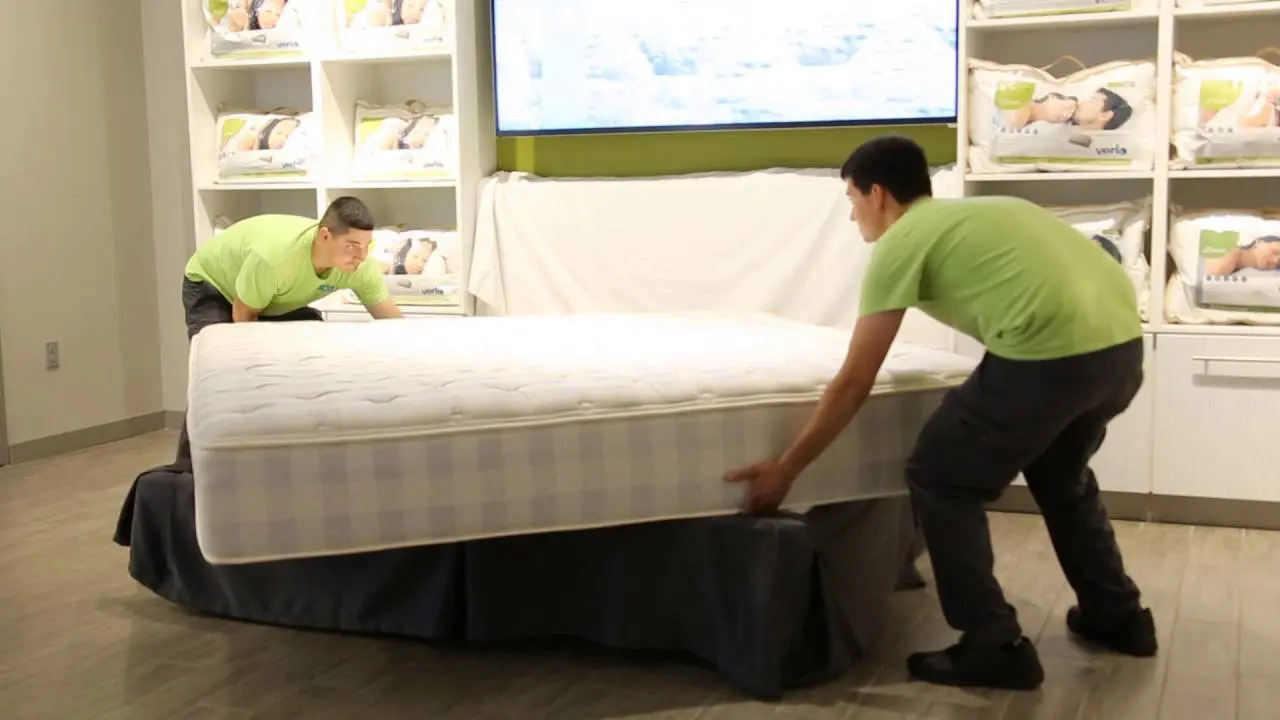

When it comes to maintaining the integrity and longevity of your mattress, understanding how to manage its orientation is crucial. One common question mattress owners ponder is, “Can you rotate a king mattress 90 degrees?” This inquiry dives into various dimensions of mattress care, offering insights into the best practices for rotation, potential impacts on comfort and support, and the rationale behind rotation techniques. Dive in as we explore this multifaceted topic.
To properly answer the question, let’s first define what rotation means in the context of mattresses. Many mattress manufacturers recommend rotating your mattress periodically—ranging from every three months to twice a year—to ensure even wear. While traditional recommendations typically suggest rotating a mattress 180 degrees—where the head and foot ends exchange places—those curious about a 90-degree rotation need to consider several important factors.
One of the primary considerations is the construction of the mattress itself. Different types of mattresses—such as innerspring, memory foam, and hybrid—feature unique designs and materials. In this regard, the orientation can indeed impact the performance and durability of the mattress. For example, with an innerspring mattress, the coil structure is engineered with head and foot ends; rotating it 90 degrees may disrupt the intended support and comfort. Inversely, memory foam mattresses, known for their adaptive nature, may respond differently, allowing for a more adaptable experience.
Next, let us explore the implications of a 90-degree rotation. While some might favor this method in hopes of achieving an even wear pattern, it could alter the mattress’s intended pressure distribution. When sleeping on a king mattress, the user’s weight is usually spread across the surface. A 90-degree rotation could cause an imbalance, leading to discomfort over time. Maintaining a consistent sleeping surface supports spinal alignment and body comfort, which are critical for a restorative night’s sleep.
Another factor to contemplate is the foundation upon which your mattress rests. King mattresses are often paired with specific bed frames that may influence their performance. If your bed frame has slats that run parallel to the mattress’s original layout, rotating it 90 degrees could misalign the mattress with these supportive elements. Consequently, proper alignment with the foundation is essential in preserving the mattress’s structural integrity and extending its lifespan.
In terms of wear patterns, a 90-degree rotation may inadvertently magnify certain pressure points. For instance, if the mattress has been used predominantly on one side, rotating it earlier may lead to a temporary imbalance until the material conforms to the new orientation. Over time, this can create an uneven sleeping surface, where specific areas feel firmer or softer than previously experienced. Thus, if you are considering a 90-degree rotation, be prepared for a possible adjustment period during which the mattress redistributes its pressure accordingly.
However, the idea of rotating mattresses is not merely about ensuring even wear; it also relates to hygiene and prolonging the fresh feel of your mattress. Dust mites, allergens, and various microscopic organisms can accumulate in areas that remain stagnant for extended periods. Regularly rotating your mattress, whether 90 degrees or 180 degrees, can contribute to a cleaner sleeping environment, thereby allowing you to enjoy a healthier rest. This practice revitalizes not only the mattress but also your overall sleep hygiene.
Moreover, let’s not overlook the psychological aspect of rotation. Sometimes, a simple change in orientation can provide a refreshing sense of novelty in your sleep environment. It can be akin to rearranging furniture in a room; an unexpected alteration can spark joy and enhance the overall aesthetic appeal of your bedroom. This psychological uplift should not be underestimated, as it can aid in promoting positive sleep experiences.
Now, you might wonder if there are alternatives to a 90-degree rotation worth considering. A more traditional 180-degree method is the universally accepted approach, often yielding better results in maintaining the intended support structure of your king mattress. This method allows both the top and bottom surfaces to be utilized effectively, diminishing the possibility of developing sags or indentations over time. If the intention is to leverage the mattress fully, this standard practice may prove more beneficial.
Additionally, flipping the mattress may also be a consideration for certain models designed for double-sided usage. Some king mattresses have varying firmness levels on each side, offering the unique opportunity to switch between them based on personal comfort preferences. For those contemplating the 90-degree option, assessing if your mattress can be flipped could potentially offer a more advantageous strategy.
In conclusion, while the notion of rotating a king mattress 90 degrees is intriguing, it raises several vital concerns regarding structure, design, and user experience. It is essential to align your approach with the specific needs of your mattress type, its supportive foundation, and your sleeping preferences. Weighing the benefits against the potential risks can guide you in making the best choices for mattress maintenance, ensuring that your investment remains comfortable and supportive for years to come. Ultimately, embracing the recommended rotation schedule will safeguard your sleeping experience, bolstering not just the life of your mattress but also the overall quality of your sleep.
