
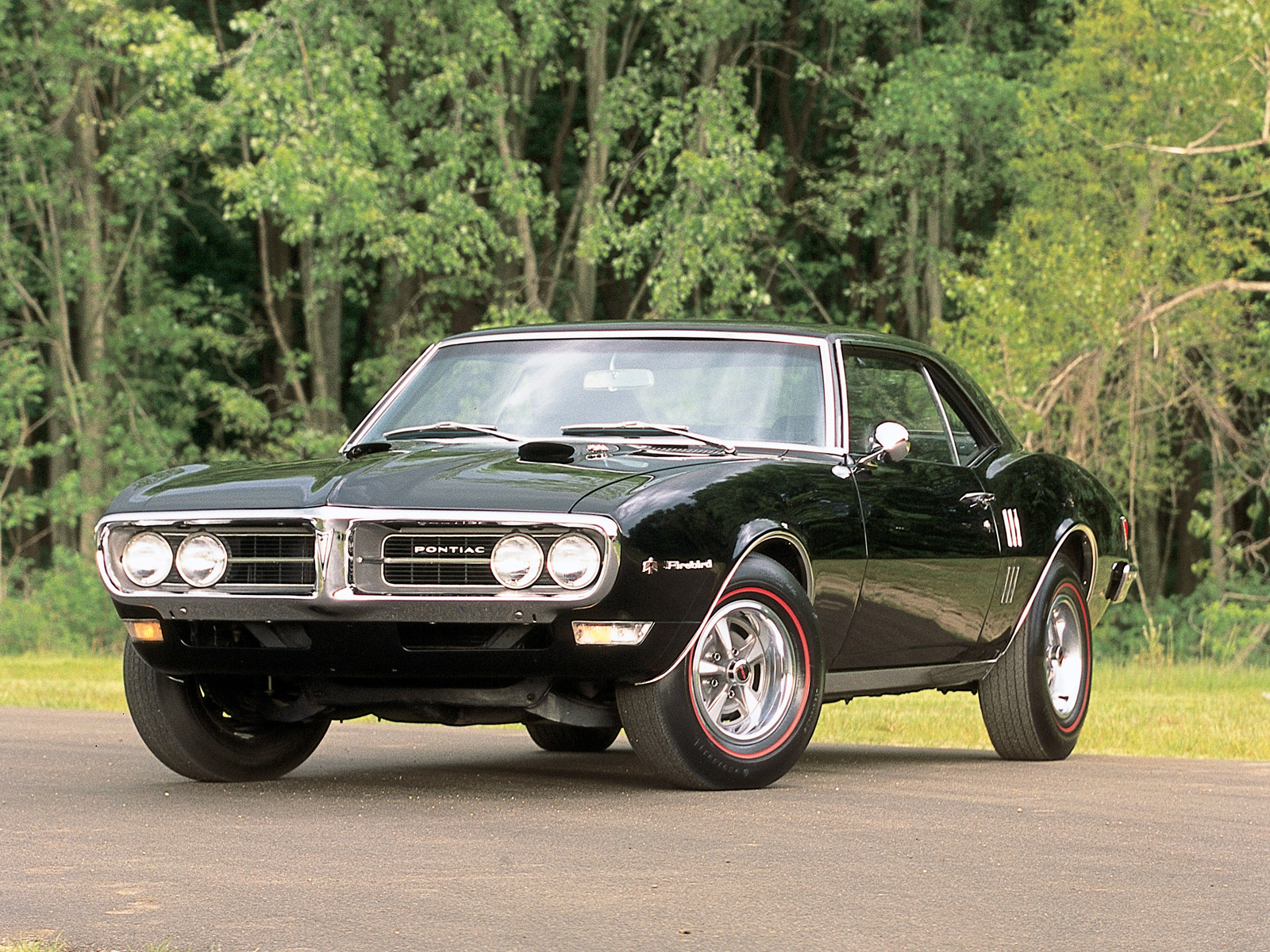

When one thinks of classic American muscle cars, the Pontiac Firebird occupies a revered place in the pantheon of automotive legends. The 1973 Pontiac Firebird, in particular, has captured the hearts of enthusiasts for its timeless design and impressive performance. But as we dive into the specifics, like curb weight, let’s pose a playful question: how does this iconic vehicle balance power and elegance with its weight? Understanding the curb weight of the 1973 Firebird not only satiates the curiosity of car aficionados but also sheds light on the dynamics of performance in muscle cars of that era.
The concept of curb weight refers to the total weight of a vehicle, including all fluids, such as oil and a full tank of gas, but excluding any cargo or passengers. For the 1973 Firebird, this figure can vary depending on the configuration and options chosen at the time of manufacturing. Typically, the curb weight falls into the range of approximately 3,200 to 3,500 pounds. However, this can fluctuate significantly based on factors like engine choice, transmission, and additional features.
First, let’s delve into the various configurations of the 1973 Firebird that contribute to its curb weight. Pontiac offered a range of engines during this period, including the base 250 cubic inch (4.1 L) inline-six and the more thrilling 400 cubic inch (6.6 L) V8 engine. The inline-six was a lightweight option and contributed to a lower overall curb weight, while the V8 engines, especially the high-output variants, added more heft. Additionally, the choice between a manual and an automatic transmission further impacts weight, with automatics typically adding a few extra pounds.
One might wonder, what do these weight differences signify in terms of performance? Curb weight plays an influential role in a vehicle’s acceleration, braking, and handling characteristics. A lighter Firebird with the inline-six, for example, will undoubtedly feel nimbler and may accelerate more quickly from a stop compared to its heavier V8 brethren. Conversely, the added weight of the V8 engines can enhance stability at higher speeds and provide a more grounded feel during spirited driving. This duality poses an interesting challenge for potential owners: should one opt for the lighter, more agile inline-six, or embrace the raw power and nostalgia of the V8?
As we explore these weight specifications, another factor to consider is the evolving regulations during the early 1970s that had a profound impact on the design and performance of American cars. The oil crisis and increased insurance costs led manufacturers to rethink vehicle designs, influencing their weight and performance metrics. The 1973 Firebird, built in an era of rising fuel costs, illustrates a burgeoning shift towards more fuel-efficient options, even within muscle car domains.
Equally important is how this remarkable machine continues to capture attention today. Car collectors and aficionados often look for models that maintain their original curb weight specifications, as deviations can affect collector value and performance integrity. For those seeking to restore or modify a 1973 Firebird, maintaining or improving upon the stock curb weight while enhancing performance can be a tantalizing and daunting endeavor. The quest for a lighter, more agile vehicle often leads enthusiasts to undertake weight reduction strategies, from swapping out heavy components to opting for modern materials like carbon fiber.
So, how does one go about achieving that perfect balance between performance and weight? This question inevitably leads to a myriad of modification strategies. For the particularly adventurous car lover, it could mean considering alternatives such as re-engineering certain parts or investing in advanced suspension systems that both reduce weight and improve dynamics. Crafting a Firebird that is not only efficient but a marvel on the roads—this endeavor is not for the faint-hearted but rather for those inspired by the spirit of automotive innovation.
Furthermore, the aesthetic and nostalgic value of the 1973 Firebird cannot be understated. With its sleek lines and aggressive stance, it was designed during a bold era of automotive styling. Many owners take pride in preserving the original look while making mechanical upgrades. The challenge lies in ensuring that any adjustments made do not detract from the stylistic integrity that has entranced car enthusiasts for decades. This balancing act between preserving the classic aesthetic while embracing modern performance enhancements makes owning a Firebird both a joy and a challenge.
In conclusion, the curb weight of the 1973 Pontiac Firebird is not just a numerical specification; it encapsulates a broader narrative about performance, design, and the automotive ethos of its time. This balance of power and grace invites spirited discussions among enthusiasts about their preferences and leads to invigorating debates about the future of classic cars in a rapidly changing automotive landscape. The pursuit of performance amidst weight considerations continues to be a pivotal challenge for Firebird owners, an endeavor that marries nostalgia with the undeniable thrill of driving. Whether you’re a collector or a casual admirer, the 1973 Pontiac Firebird is a fascinating case study in the art and science of automotive engineering, beckoning each generation to ponder—how can we enhance and preserve this iconic muscle car legacy?
