
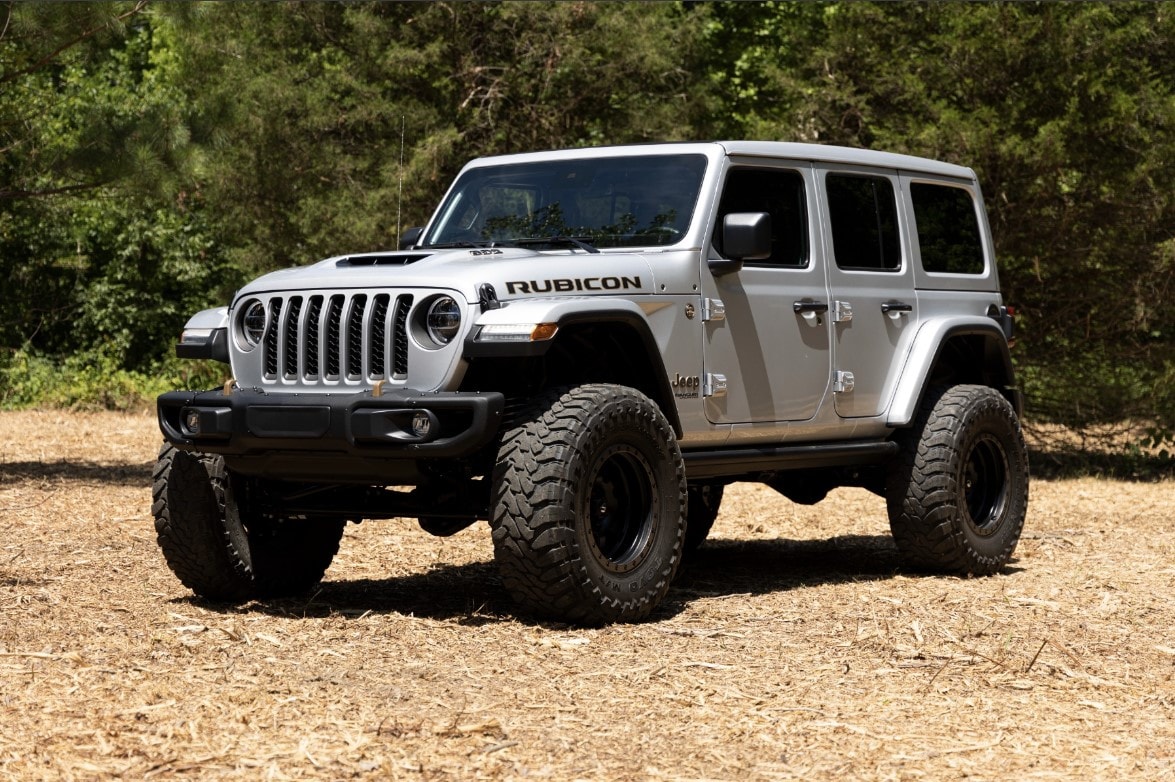

The 2024 Jeep Wrangler is set to redefine off-road capabilities with its robust design and enhanced performance, drawing attention not only for its impressive features but also for its wheel specifications. Among the most notable upgrades are the 35-inch tires, designed to offer rugged durability without sacrificing comfort. In this article, we will explore everything you need to know about Wrangler wheels, particularly the fitment and nuances of the 35-inch tire selection.
Understanding Tire Dimensions and Specifications
When delving into the world of tires, terminology can often be perplexing. The measurement “35 inches” refers to the tire’s overall diameter when fully inflated. This size caters specifically to the adventurous spirit of Wrangler enthusiasts, promising enhanced ground clearance and improved traction on various terrains. In the realm of off-roading, adequate ground clearance is paramount to traverse rocky paths and muddy trails without the fear of bottoming out.
Size is just one aspect of tire selection. The aspect ratio—representing the height of the tire’s sidewall as a percentage of its width—plays a crucial role in determining ride comfort and handling. A lower aspect ratio typically indicates a wider tire, which offers better handling and responsiveness. However, Wrangler fanatics often prefer a more aggressive stance with a larger sidewall that ultimately enhances off-road performance, especially in extreme conditions.
Fitment Compatibility
When considering the installation of 35-inch tires, fitment compatibility is of utmost importance. The 2024 Jeep Wrangler has specific wheel well dimensions and suspension configurations that must align with the new tire size. Off-the-shelf rigs are often designed to accommodate a stock tire size ranging from 31 to 33 inches, making the jump to a 35-inch tire necessitate some adjustments.
Modifications such as adding a lift kit are essential to ensure proper clearance and prevent potential rubbing against the wheel wells or suspension components. The revised stance not only enhances the vehicle’s look but also ensures that drivers maintain optimal handling dynamics.
Moreover, the wheel offset—determining how far the tire mounts from the centerline of the wheel—merits attention. A positive offset sets the wheel closer to the suspension, while a negative offset extends it outward. Achieving the right balance between these specifications will help achieve wide and aggressive stances without compromising drivability or safety.
Tire Types: Selecting the Right Tread Pattern
Moreover, with the vast array of tire types available, the tread pattern must be considered based on the intended use. For those who thrive on rocky terrains and muddy paths, a mud-terrain tire with deep treads and wide voids can offer unmatched traction. On the flip side, if highway performance and road noise reduction are priorities, all-terrain tires serve as a balanced option that performs decently both on and off the pavement, while not ideal for extreme off-roading.
An additional consideration is the tire’s rubber composition. Softer rubber compounds tend to provide superior grip but at the cost of longevity, particularly when subjected to paved surfaces. Conversely, harder compounds may last longer but could compromise traction in muddy or slick environments. A well-informed decision is paramount for making the most out of your investment.
Impact on Performance and Handling
Switching to 35-inch tires alters the vehicle’s center of gravity and ride height, which can significantly impact handling. While the Wrangler is built to withstand rigorous off-road conditions, the larger tires will inherently result in a different driving experience. Increased steering effort may be necessary, especially when making sharp turns. A positive outcome can be the impressive rise in the Wrangler’s capability, allowing it to tackle challenging inclines and uneven landscapes with grace.
A key element in assessing feasibility is the potential impact on fuel economy. Larger tires, while visually striking and adding an aggressive aesthetic, often yield higher rolling resistance. Consequently, vehicle owners may experience a decrease in miles per gallon (MPG). Calculating the trade-off between performance and fuel economy can assist in making an informed decision tailored to personal driving habits.
Wheel Designs: Aesthetic and Functional Options
When enhancing your Wrangler, aesthetics often hold as much weight as performance. The choice of wheels becomes an essential aspect, as they not only affect handling but also contribute to the overall visual appeal. Options for wheel design are abundant, spanning from classic six-spoke patterns to more contemporary designs that boast a rugged individuality.
It is advisable to consider the material composition of the wheels themselves. Aluminum alloys, for instance, strike a perfect balance between lightweight performance and strength, making them a favored choice among off-road aficionados. Steel wheels, while heavier, offer robust durability ideal for heavy-duty applications, though they may sacrifice some of the aesthetic finesse offered through alloy options.
Maintenance and Care
Finally, once equipped with the right tires and wheels, regular maintenance is crucial to ensure longevity and performance. Keeping an eye on tire pressure, regularly checking for uneven wear, and rotating tires according to the manufacturer’s recommendations can enhance performance significantly. Additionally, occasional alignment checks can prevent premature wear and maintain steering precision.
In conclusion, equipping your 2024 Jeep Wrangler with 35-inch tires is an endeavor filled with considerations ranging from fitment to performance. By understanding the nuances of tire dimensions, types, and the aesthetic options available, Jeep owners can tailor their vehicles to meet their individual preferences and off-road requirements. Whether you’re a weekend warrior or an everyday adventurer, the right wheel and tire combination can dramatically elevate both the capability and style of your Jeep Wrangler experience.
