
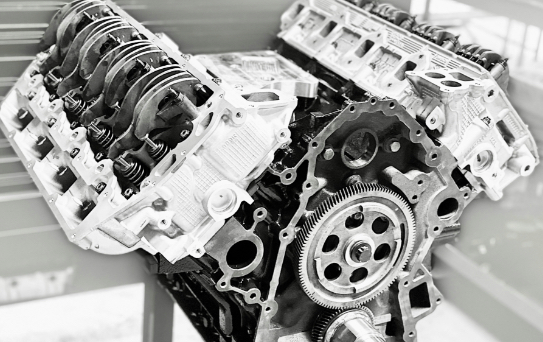

When it comes to purchasing a diesel truck, the 6.7 Powerstroke engines have garnered considerable attention for their robust performance and potential longevity. However, like any mechanical marvel, this engine has its fair share of pitfalls. As buyers embark on their quest to own a reliable vehicle, understanding which model years to avoid can save them both time and money. This comprehensive guide dives deep into the 6.7 Powerstroke years to steer clear of, offering invaluable insight into the nuances of each model’s performance and common issues.
Understanding the 6.7 Powerstroke Engine
The 6.7 Powerstroke, introduced by Ford in 2011, marked a pivotal step in the evolution of diesel engines. It was lauded for its exceptional torque, impressive towing capacity, and improved fuel efficiency compared to its predecessors. Yet, like all vehicles, not every year has upheld these standards. While it’s easy to get swept away by the allure of horsepower and towing capabilities, the underbelly of reliability and maintenance plays a significant role in your decision-making process.
The Early Years: 2011-2014
The initial rollout of the 6.7 Powerstroke in 2011 came with excitement. Ford marketed this model as a revolutionary diesel engine, and while it was indeed powerful, it also introduced new technologies that weren’t quite ready for prime time. Many owners reported issues with the diesel exhaust fluid (DEF) system. In 2012 and 2013, the problems continued, with some trucks experiencing turbocharger failures and fuel injector issues. If you’re eyeing these early models, proceed with caution. While they might be attractively priced, the hidden costs of repairs can quickly accumulate.
The 2015 Model: A Double-Edged Sword
Moving on to 2015, buyers may feel tempted to consider this model year due to stylistic upgrades and improvements in technology. However, numerous reports surfaced regarding the transmission system, particularly the 6R140 automatic transmission experiencing premature failure. This model tantalized with its advancements, yet behind the shiny new facade lurked complications that could potentially derail an otherwise joyous ownership experience. Thus, while investigating this year, it’s advisable to thoroughly vet the truck’s service history and check for any transmission-related repairs.
The Between Years: 2016-2019
As the years progressed into 2016 and 2017, the Powerstroke engine seemed to stabilize with fewer reports of catastrophic failures. However, buyers should still be wary. Some models during these years presented electrical problems, particularly with the fuel system and emissions controls. These issues can range from minor inconveniences to substantial breakdowns, impacting both performance and wallet size. Thorough inspections and potentially investing in a warranty for peace of mind can be prudent moves when considering these years. The careful buyer will want to weigh reliability against the magnetic appeal of modern features.
The Sunset Years: 2020 and Beyond
With the 2020 model year, Ford took significant strides to enhance the 6.7 Powerstroke’s reputation. Improvements in construction and refinement led to a decrease in issues previously reported in earlier models. However, early adopters should still be cautious, as new changes can come with their own set of teething problems. Drivers in these years have lauded ride comfort and power. It’s crucial to review recalls and customer feedback before making a purchase. The allure of a newer model can mask underlying problems that might surface after purchase.
Cost of Ownership: Beyond the Initial Investment
It’s also essential to consider the total cost of ownership beyond just the purchase price. Many might overlook the long-term implications of maintenance and repair. Diesel engines can be more expensive to service depending on the issues encountered, especially if the model in question falls into the less reliable category. Researching and understanding the typical repair costs associated with the specific model years is advisable. Repair records can provide insight into the reliability of colder months, especially as the engine breaks in and often faces unique challenges in winter driving conditions.
Making an Informed Choice
Arming yourself with knowledge is the best way to advocate for your hard-earned money. As captivating as the power and aesthetics of the 6.7 Powerstroke may be, understanding the intricacies of reliability can dramatically shift your perspective on purchasing decisions. Avoiding the aforementioned years can assure you a more dependable experience, paving the way for a rewarding journey of ownership.
Lastly, it’s imperative to perform your own investigations. Engage with community forums or diesel lists where owners share real-world experiences. A vehicle’s model year can encapsulate a wealth of stories—successes and failures alike. Take your time, ask questions, and gather information that can illuminate your path to a wise purchase.
Ultimately, becoming an informed buyer is your best defense against costly mistakes. As you navigate through the world of diesel trucks, keep your eyes peeled and take to heart the mantra: knowledge is your most powerful tool.
