
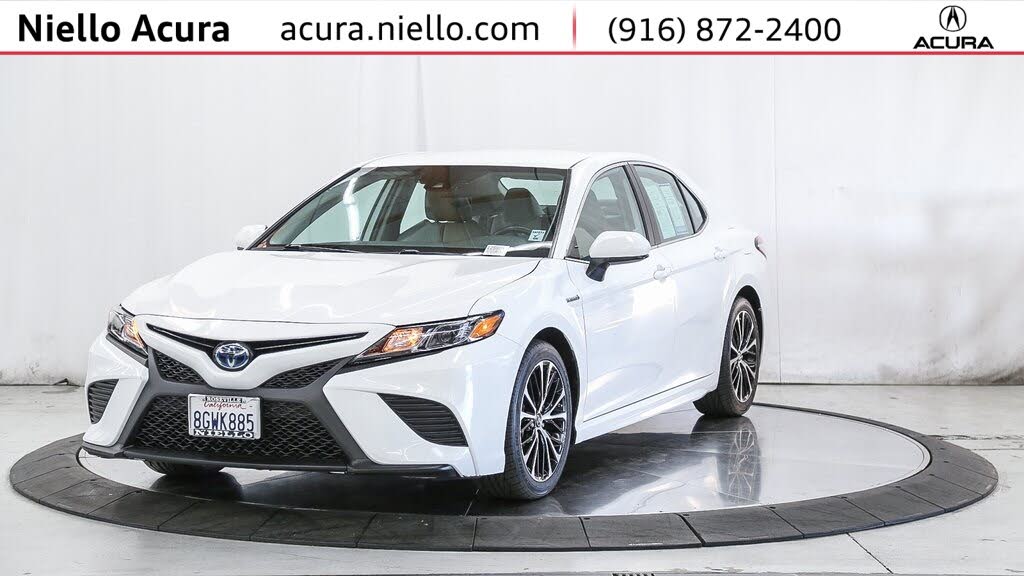

The Toyota Camry has long been a staple in the realm of midsize sedans, renowned not just for its reliability and comfort but also for its efficiency. As the world becomes increasingly cognizant of climate change and its pervasive impacts, the focus on fuel efficiency and sustainable practices is more pertinent than ever. Thus, understanding the miles per gallon (MPG) that a Toyota Camry can deliver is essential for prospective buyers who are not only budget-conscious but also environmentally aware.
When one thinks of the Toyota Camry, the mind typically conjures images of reliability, performance, and an impressive array of features. However, behind these attributes lies a deeper narrative that resonates with consumers. The quest for fuel efficiency often stems from a collective desire to reduce carbon footprints while still enjoying the conveniences of modern vehicular technologies.
The gas mileage of the Toyota Camry has evolved significantly over the years, largely due to advancements in automotive engineering and an increasing commitment to sustainability. Traditional combustion engines have consistently improved their efficiency. However, it is the advent of hybrid technologies that has transformed the Camry’s MPG statistics into something worthy of high praise.
The 2024 Toyota Camry offers a range of engine options, but a focal point for many consumers is its hybrid variant. This specific model has been engineered to maximize fuel efficiency while minimizing environmental impact. On average, the Camry hybrid achieves an impressive 51 MPG in the city and 53 MPG on the highway, numbers that certainly stand out in its class. These figures are not mere statistical outliers; they reflect a concerted effort to meet consumer desires while addressing larger environmental concerns.
Understanding MPG requires one to grasp the complex mechanics that underpin vehicle operation. MPG is influenced by a myriad of factors: engine type, weight, aerodynamics, and driving habits. The hybrid version of the Camry utilizes an electric motor in conjunction with its gasoline engine, allowing for a reduction in fuel consumption particularly during stop-and-go driving conditions typical of urban environments. This configuration not only enhances fuel efficiency but also reduces emissions, a significant concern amid the prevailing climate crisis.
Environmental activism is increasingly centered around the impact of fossil fuel consumption. The transportation sector is a significant contributor to greenhouse gas emissions, and the shift towards more fuel-efficient vehicles like the Camry can play an integral role in mitigating these effects. Each mile driven signifies not just fuel consumed but an environmental impact that collectively resonates around the globe. The mere act of choosing a fuel-efficient vehicle reflects a commitment to a sustainable future.
It is worth noting that consumer interest in gas mileage transcends mere financial prudence. The motivations behind this fascination often include a desire to contribute to the greater good. A vehicle that boasts commendable MPG ratings provides consumers with the agency to make choices that align with their values. In essence, driving a fuel-efficient car like the Camry represents a small but tangible step towards environmental stewardship.
The aesthetic and functional design of the Camry further complements its MPG offerings. Toyota has not only focused on the inner workings of the vehicle but also on delivering a visually appealing exterior and comfortable interior. The synergy of design and functionality allows the Camry to appeal to a diverse demographic, ranging from young drivers to seasoned professionals. Each model is crafted with attention to detail, ensuring that the vehicle does not compromise on comfort or style in favor of fuel efficiency.
Another facet influencing the Camry’s MPG is the ongoing innovation within the automotive industry. Continuous investment in research and development has led to improved vehicle technologies, contributing to higher efficiency standards. The development of cutting-edge materials, enhanced aerodynamics, and smarter energy management systems are critical in achieving improved gas mileage. The Camry is a testament to how innovation can harmonize performance with ecological sensitivity.
It is paramount for consumers to be meticulous when assessing vehicle fuel efficiency. Real-world driving conditions, including weather, terrain, and even traffic patterns, can significantly alter expected MPG figures. While manufacturers provide ideal MPG ratings based on controlled tests, everyday driving will inevitably present variables that can affect these outcomes. Therefore, informed consumers must understand that the MPG they experience may differ from official figures.
Ultimately, the decision to choose the Toyota Camry—especially the hybrid variant—is more than just a transaction; it is a statement of values. In an era where the ramifications of climate change are increasingly evident, selecting a fuel-efficient vehicle is a proactive measure towards reducing one’s carbon footprint. The Camry not only encapsulates reliability and performance but embodies a holistic approach to sustainability.
In conclusion, the gas mileage of a Toyota Camry is not merely a statistic—it is a reflection of an evolving mindset towards conscientious consumption. As consumers navigate the complexities of modern transportation, the allure of impressive MPG figures serves as a reminder of the responsibility we all share in combatting climate change. The Camry’s blend of efficiency, comfort, and innovation stands as an enduring symbol of how automotive evolution can align with environmental imperatives. This alignment offers hope and a pathway forward, encouraging individuals to make thoughtful choices that ultimately contribute to the well-being of our planet.
