
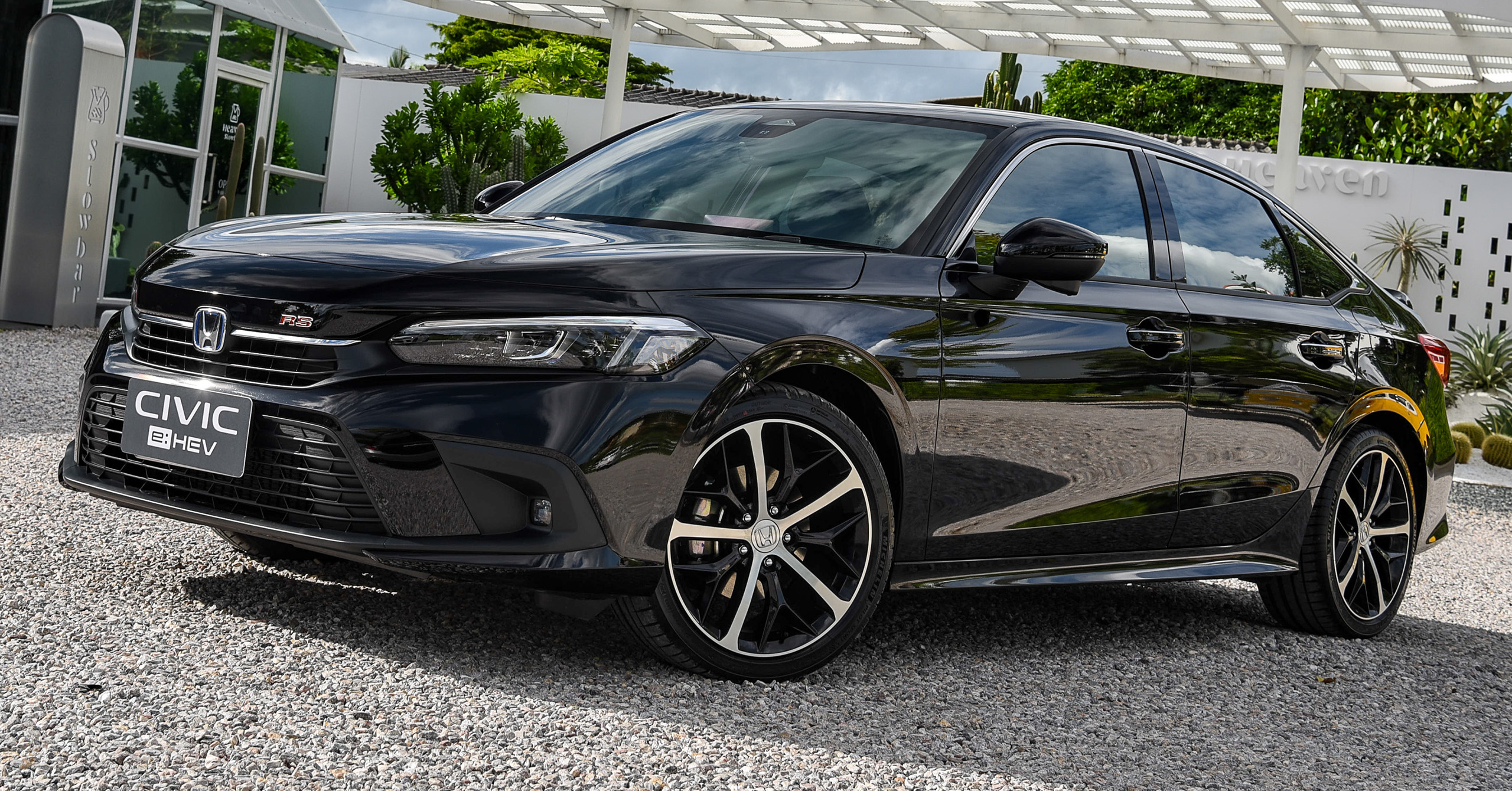

The Honda Civic Si has long been a stalwart in the compact performance segment, celebrated for its balance of agility, power, and everyday usability. This model has garnered a following due to not just its driving dynamics but also its modification potential. Among various enhancement options, tuning with Hondata’s traction control system is gaining traction among enthusiasts. As enthusiasts explore the intricacies of tuning, traction control emerges as a pivotal concern, critical to maximizing performance on both the street and track.
At first glance, the notion of traction control can seem elementary—a system designed to prevent wheel spin and loss of grip. However, as one delves deeper into the mechanics behind traction control, particularly in the context of the Civic Si, it becomes evident that this technology is integral to unleashing the full potential of a tuned vehicle. The term “traction control” itself can evoke mixed feelings: some regard it as a necessary safety feature, while others view it as a hindrance to capturing the raw essence of performance.
Understanding Hondata’s implementation of traction control requires a comprehensive look at its functionality within the Civic Si. Hondata, a respected name within the tuning community, has developed a traction control system that integrates seamlessly with the vehicle’s performance map. This synergy allows drivers to maintain stability and control during aggressive acceleration while modifying parameters to suit individual preferences and driving conditions.
One of the most compelling aspects of Hondata’s traction control for the Civic Si is its adjustability. Unlike factory systems, which tend to be conservative, Hondata allows users to calibrate the level of intervention, offering a personalized driving experience. This customization fosters an engaging interface between the driver and vehicle, enabling enthusiasts to experiment with various settings tailored to specific conditions. Whether on slick roads, autocross tracks, or twisty mountain passes, the flexibility to fine-tune traction control can make all the difference.
Moreover, the importance of a well-optimized traction control system cannot be overstated when power gains are introduced through tuning. Enhanced performance is often accompanied by increased torque, which can lead to wheel spin if not managed adeptly. Herein lies the intersection of tuning and technology: Hondata’s traction control acts as a safety net, ensuring that power delivery remains smooth and predictable, thereby enhancing the overall driving experience rather than detracting from it.
Another dimension to the fascination with Civic Si tuning through Hondata is the sense of community it cultivates. Enthusiasts often share their individual experiences and findings, fostering a culture of collaboration and exploration. This sharing of knowledge encompasses a myriad of components, from hardware modifications to software calibrations. Tuning the Civic Si is often portrayed as a rite of passage for many automotive aficionados, which further deepens the bond among those who participate in this pursuit of mechanical mastery.
In addition to enhancing driving dynamics, Hondata’s traction control contributes to vehicle longevity. Poor traction management can lead to excessive wear on tires and drivetrain components. An optimized system helps mediate these concerns, allowing drivers to harness increased power without jeopardizing the integrity of their vehicle. Therefore, responsible tuning is about more than just achieving impressive numbers; it’s about creating a sustainable relationship between performance and maintenance.
The puzzle pieces of tuning the Civic Si come together in the context of driver skill and comfort levels. For novice drivers exploring the realm of performance modifications, the introduction of a well-calibrated traction control system can boost confidence. It acts as a supportive tool, allowing them to explore their vehicle’s capabilities without overwhelming them. In contrast, seasoned drivers may appreciate the subtle nuances offered by advanced settings that permit a deeper engagement with the vehicle, providing the opportunity to push boundaries in a controlled manner. This spectrum of accessibility underlines the Civic Si’s appeal across diverse driver demographics.
As with any tuning endeavor, there are nuances that demand attention. A common observation among Civic Si enthusiasts is the delicate balancing act required between power, weight, and traction. It is here that Hondata’s traction control shines, offering a precision tool for drivers grappling with the complexities of performance tuning. Adjustments made to suspension or power figures can dramatically influence traction performance, necessitating ongoing assessments of the traction control parameters. This continual reevaluation forms an integral part of the tuning journey
Furthermore, the allure of Civic Si tuning extends beyond immediate performance benefits. It nestles into the broader narrative of automotive culture, where personalization and self-expression manifest through modifications. Each tuned Civic Si becomes a canvas for the owner’s personality and driving philosophy, reflecting their aspirations and aesthetic preferences. This makes the tuning experience not just about achieving raw numbers, but about crafting a wholly unique driving experience.
In conclusion, the introduction of Hondata traction control into the Civic Si tuning landscape provides a multi-faceted opportunity for enthusiasts. It enhances the vehicle’s performance, fosters a rich community of sharing and learning, safeguards mechanical integrity, and ultimately allows drivers to construct an automotive experience that aligns with their individual ethos. The significance of tuning transcends mere performance metrics; it encapsulates a deeper, shared passion for innovation and driving excellence that resonates among car enthusiasts. This intrigue with the Civic Si and its tuning capabilities invites ongoing exploration and dialogue within an ever-evolving automotive culture.
