

In the intricate world of automotive performance, few parameters hold as much significance as fuel trim. This metric not only serves as an indicator of your vehicle’s fuel efficiency but also unveils the secrets of its engine management system. One particular aspect of fuel trim that stands out is the Long Term Fuel Trim (LTFT), which operates as a crucial cog in the engine’s operational machinery. In this article, we will delve into the mystique of Long Term Fuel Trim, illuminate its normal range, and explore the implications it has on overall vehicle performance.
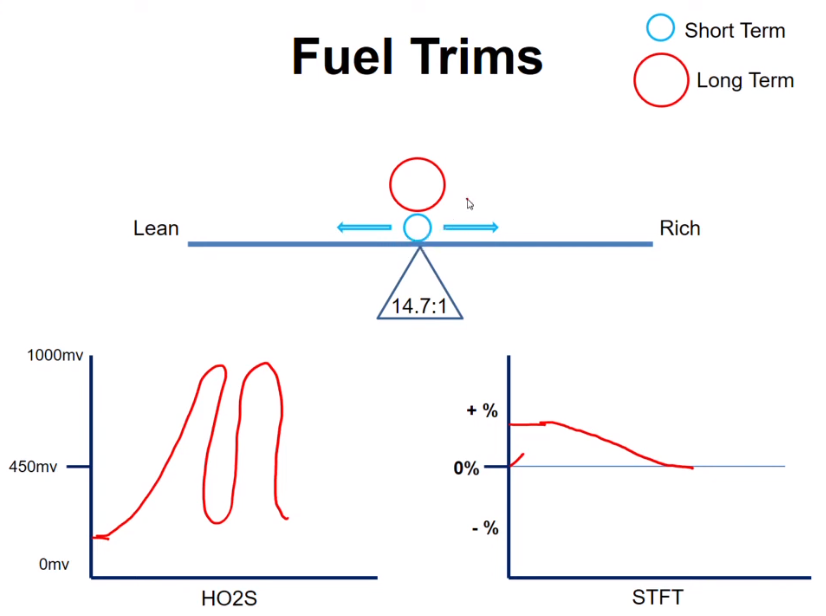
To understand Long Term Fuel Trim, one must first grasp the basic functioning of fuel trim itself. Fuel trim comprises two categories: short-term fuel trim (STFT) and long-term fuel trim (LTFT). While the former reacts to immediate changes in the engine’s air-fuel ratio, the latter calculates the average correction over a more extended period. LTFT is essentially the ECU’s memory of fuel adjustments based on varying operating conditions, including temperature changes, fuel quality, and overall engine wear.
But why should the average driver care about such esoteric metrics? The answer lies in the harmony of combustion. A refined air-fuel mixture ensures optimal engine performance, reduced emissions, and better fuel economy. When the LTFT value is within the normal range, it signifies that the engine’s computer is effectively managing and adapting to these variables. Thus, understanding this range can not only enable car enthusiasts to maintain their vehicles proficiently but can also empower everyday drivers to recognize when something may be amiss.
Typically, the Long Term Fuel Trim is measured in percentage terms, with a standard operational range between -10% and +10%. When these values fall within this bracket, they indicate that the engine is capable of adjusting the air-fuel mixture accurately over time. Values beyond this range suggest various issues needing resolution – either the engine is getting too much fuel (rich condition) or not enough (lean condition). When the LTFT consistently leans towards negative percentages, it could signal a fuel delivery issue, while positive percentages often indicate problems related to air intake or vacuum leaks.
It’s crucial to recognize that these percentages are not just numbers; they reflect a symphony of engineering precision. A lean condition may arise due to a faulty mass air flow sensor or a blocked fuel injector, both of which can cause inefficiencies in the combustion process. Conversely, a rich condition could stem from an excessive fuel supply, inadequate oxygen intake, or even a malfunctioning oxygen sensor. Thus, erratic values in the LTFT can serve as harbingers of more extensive issues, urging drivers to investigate further.
Moreover, the significance of LTFT extends beyond mere engine health. A decline in optimal LTFT can lead to reduced fuel efficiency. A vehicle operating with a poor air-fuel mixture will inevitably consume more fuel to perform, leading not only to increased operational costs but also to higher emissions. For the eco-conscious driver, optimizing LTFT represents a key to contributing positively to the environment while also saving money.
So how does one monitor Long Term Fuel Trim? The modern driver is fortunate; this data is readily accessible via an On-Board Diagnostics II (OBD-II) scanner. These devices allow users to interpret real-time data concerning various parameters, including LTFT. Monitoring your vehicle’s performance through such tools provides immediate feedback on tuning adjustments that need to be performed, offering an unparalleled opportunity to engage with your vehicle’s capabilities.
It’s fascinating to consider how the LTFT can shift due to external influences. For example, the region where you operate your vehicle has a significant impact on how fuel trim behaves. In cold climates, for instance, vehicles may display higher LTFT values as the engine works harder to maintain appropriate operating temperatures. Similarly, variations in fuel quality can alter fuel trim figures, making it essential for drivers to be conscious of the fuels they use.
As we embark on the quest for mechanical understanding, one must also entertain the notion of modifications. For those interested in vehicle tuning, altering components such as the air intake, exhaust systems, or engine chips will inevitably impact LTFT figures. While performance upgrades can yield excellent results, they can also complicate the fuel delivery equation. It’s critical to monitor LTFT values after modifications to ensure that these enhancements don’t disrupt the finely-tuned balance of your engine.
As we wrap up this exploration of Long Term Fuel Trim, it becomes clear that this metric is more than a technicality; it is an entry point into understanding the automotive ecosystem. Monitoring and managing LTFT can lead to improved vehicle performance, enhanced fuel efficiency, and a more sustainable driving experience. So, the next time you find yourself with a diagnostic tool in hand, remember that you are not merely reading numbers; you are unlocking the potential of your vehicle and its capability to perform at its zenith.
In conclusion, grasping the nuances of Long Term Fuel Trim sends ripples through your understanding of automotive performance. It invites drivers to adopt a more inquisitive mindset towards vehicle maintenance, making the journey a collaboration between man and machine. Armed with this knowledge, you are now primed to either delve deeper into the depths of your engine’s performance or simply to maintain its harmony with every journey you take.
