
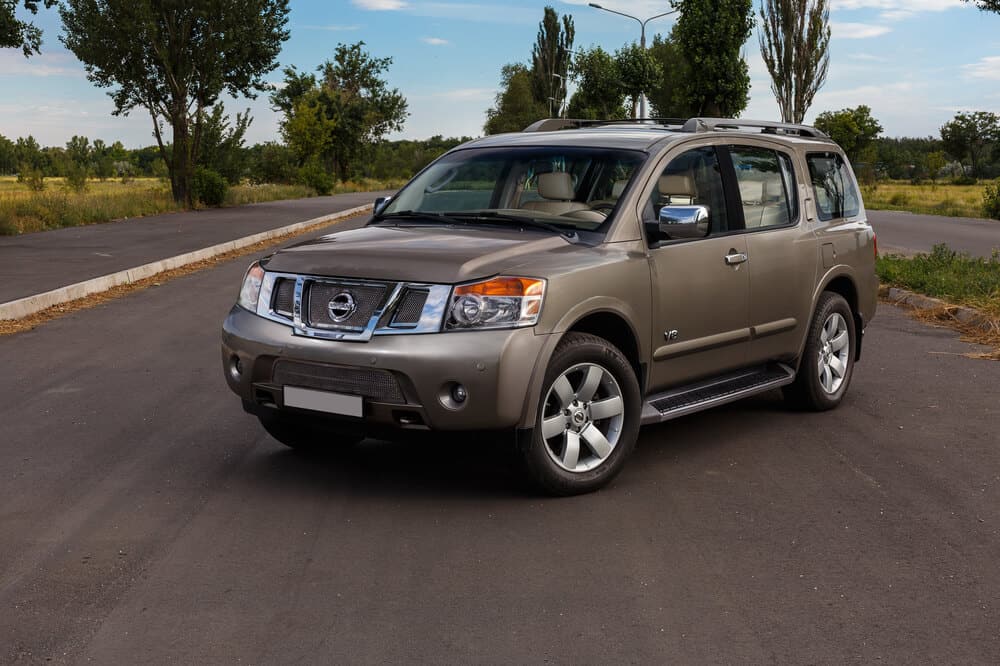

The Nissan Armada stands out in the SUV market, promising robust performance, spacious interiors, and a feeling of luxury on the open road. However, owning a used Armada requires discerning judgement, especially when it comes to specific model years that may not live up to expectations. Understanding which Nissan Armada years to avoid can save prospective buyers from potential pitfalls, financial burdens, and unforeseen repairs.
Traditionally lauded for its powerful V8 engine and commanding presence, the Armada combines practicality with a hint of opulence. However, not every model year has upheld the vehicle’s illustrious reputation. Buyers are encouraged to approach their purchase with a meticulous eye, particularly when considering model years notorious for significant issues.
When assessing Nissan Armada years to avoid, it’s imperative to delve into the automotive landscape, focusing on data-driven insights and anecdotal evidence from owners. In particular, the years 2004, 2005, 2006, and more recently, 2017 emerged frequently flagged by disgruntled owners and industry reports alike.
Let’s examine the specifics of each of these model years, peeling back layers of complexity to reveal the underlying issues that prospective buyers should weigh heavily in their decision-making process.
2004 Nissan Armada: A Rocky Start
The inaugural year of the Nissan Armada introduced this full-size SUV to the market, but it was riddled with teething problems. While the Armada aspired to deliver comfort and performance, many owners reported about disconcerting transmission problems. The most common issues ranged from rough shifting to complete transmission failure. Imagine finding yourself stuck at a stoplight, fervently hoping your vehicle would respond when the light turned green—this experience was all too common for 2004 Armada owners.
Additionally, structural criticisms arose regarding the vehicle’s suspension. Many reported excessive wear and tear, leading to costly repairs. Potential buyers should tread carefully here, as purchasing a used 2004 model could yield an avalanche of unforeseen expenses.
2005 Armada: Continuation of Concerns
The 2005 Nissan Armada, while maintaining the same robust aesthetic, continued to struggle with many of the issues present in its predecessor. Notably, the transmission woes persisted, leaving buyers scratching their heads in disbelief. Complaints regarding the vehicle’s brakes also rose during this model year. Some users experienced premature wear that led to disc replacements far sooner than anticipated, presenting yet another red flag for those eying a used model.
Furthermore, the interior quality did not meet expectations, as reports of rattling and wear became commonplace. A great deal of wear on upholstery and trim parts suggested inadequate material choices, which detracted from the otherwise fine impression this SUV aspired to create.
2006 Model Year: A Misguided Makeover
While one might anticipate improvements in the 2006 edition, many of the previous concerns lingered distressingly close. In a misguided attempt to address initial criticisms, Nissan offered minor updates with little impact on reliability. Owners frequently reported ongoing transmission hiccups and a host of electrical problems, as the intricate systems found in the Armada began to falter over time.
Drivers also echoed dissatisfaction regarding fuel economy. The allure of a powerful V8 is often dulled by the harsh realization of exorbitant gas prices, notably in larger, less efficient SUVs like the Armada. Those considering the 2006 model may find themselves disheartened by the harsh realities that often come with owning a vehicle of this size and fuel consumption.
2017: A New Era Fumbles
Fast-forward to more recent models, and the 2017 Nissan Armada attempted to reinvent itself. Built upon a refined Nissan Patrol platform, it promised improved handling and comfort. However, early reports indicated troubling quality control issues, leaving many early adopters unimpressed. While some praised the new design, numerous complaints centered around electrical gremlins and infotainment system failures, which left a lasting impression of unreliability.
Furthermore, the 2017 model faced issues concerning excessive oil consumption—doubtlessly a distressing revelation for any car owner. This common dilemma can leave users burdened with constant refills, amplifying the cost of ownership significantly. In light of these grievances, buyers would be prudent to approach the 2017 model with a careful eye.
Making an Informed Decision
When considering a used Nissan Armada, being equipped with information is your best ally. Each of the aforementioned model years presents unique and potentially costly complications. Being informed empowers buyers to evaluate not just the face value of a vehicle, but also its historical performance and reliability.
A pre-purchase inspection by a trusted mechanic is invaluable, serving as a first line of defense against purchasing a model laden with problems. Furthermore, consulting online forums and owner reviews can yield insights that technical specifications alone cannot provide. Realworld experiences often illuminate red flags that statistics may obscure.
Buying a used vehicle often involves compromises, and the Nissan Armada is no exception. Despite its plethora of attractive features, potential buyers must remain vigilant, steering clear of certain years steeped in controversy. With the right knowledge in hand, you will not only witness the beauty of the Nissan Armada but also navigate the intricate maze of choices with confidence and wisdom.
In summary, while the Nissan Armada dazzles with potential, understanding which years to avoid cuts through the acumen of ownership, ensuring a smoother and more gratifying experience on the road.
