
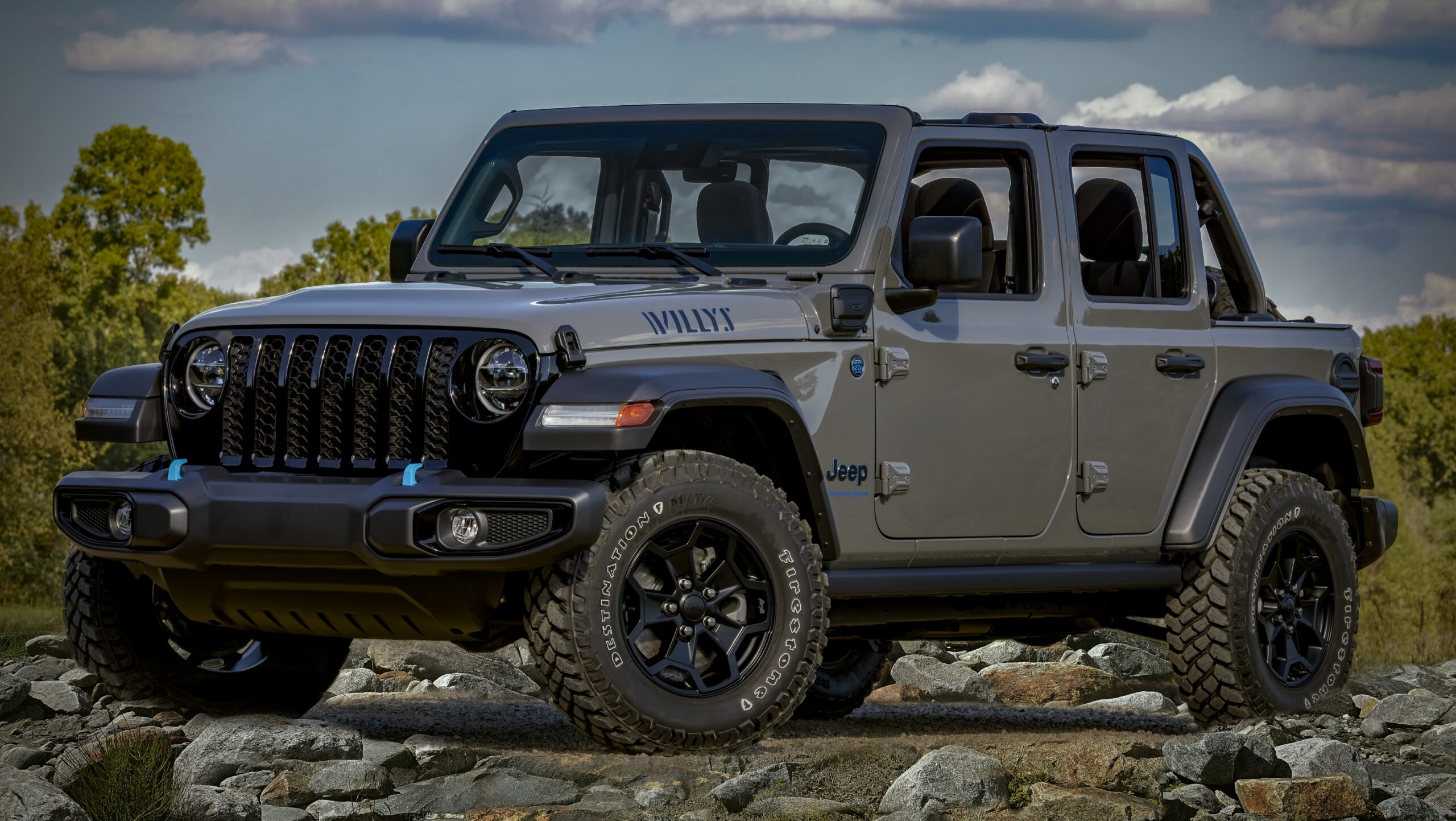

When it comes to vehicles crafted for adventure, few names resonate as profoundly as Jeep. The rugged design, the iconic look, and the promise of exploration beckon enthusiasts into a world where asphalt smirks and nature invites you to stray off the beaten path. Yet, within this realm of robust mechanics and adventurous spirits lies a curious query: what is the trunk of a Jeep called? To the uninitiated, this may appear trivial, but in the lexicon of automotive enthusiasts, it traverses into a tapestry of functionality and design. Let’s take a journey to unveil this mystery and the ins and outs of Jeep cargo spaces.
First, let’s consider the terminology. The trunk, in the context of a Jeep, is often framed as the “cargo area” or “cargo space.” Unlike conventional sedans, where the trunk is a separate compartment often shielded from view, the Jeep cargo area is intrinsically linked to the spirit of the vehicle. It embodies multi-functionality, seamlessly transitioning from an everyday utility space to a rugged storage area ready for camping gear, sports equipment, or that unexpected haul from your latest adventure.
When pondering the name of the trunk, it becomes evident that “cargo area” better encapsulates its essence. It reflects the versatility that Jeep has engineered into its rugged vehicles. Indeed, Jeep owners appreciate the notion that their cargo spaces are not merely receptacles, but vital components of their exploratory lifestyle. Each model offers varied dimensions, materials, and innovative features. The design is crafted to accommodate everything from trail gear to the beloved family dog bound for an outdoor adventure.
A key trait of Jeep cargo areas is their adaptability. For example, consider the versatile seating available in models like the Jeep Wrangler. With options like foldable rear seats and removable components, the cargo area expands as needed, illustrating a remarkable ingenuity synonymous with the Jeep brand. Seat configurations allow for a practical enclosure where once stowed, cargo lies securely on rugged terrain or during swift city commutes. In addition, many models offer tethering points and integrated hooks to ensure that your belongings remain steadfast, even on the bumpiest of paths.
What differentiates a Jeep’s cargo area from traditional vehicles goes far beyond mere space. Take a moment to envision the different manifestations of cargo configurations across Jeep’s lineup. The Jeep Gladiator, for instance, features a truck bed as a cargo area that radically alters the definition of space and function. This model merges the known traits of a pickup with the adventurous spirit of the Jeep, offering a unique perspective on what it means to transport valuables on wheels.
Sustainability and smart design also play a pivotal role in the evolution of Jeep cargo spaces. With a mindful approach to material usage, Jeeps incorporate eco-friendly options that resonate with environmentally-conscious consumers. From recyclable fabrics in the interiors to the durable materials in cargo areas, Jeep is pushing boundaries to create spaces that don’t just hold cargo, but also carry a message of responsibility. It exemplifies a shift where function meets sustainability.
Load-bearing capabilities are paramount, especially for those with the urge to explore further. Jeep has meticulously engineered their vehicles to handle significant weight, empowering adventurers to not merely carry gear, but to equip themselves for anything nature—and life—throws their way. The cargo area is a foundation where adventure meets preparations, a space for resilience that allows for excursions into the unknown.
Moreover, let’s delve into the intricacies of cargo organization. Several Jeep models come equipped with various accessories tailored to enhance this space. Items like cargo nets, organizers, and even portable coolers can be found in the eclectic mix of tools designed to maximize efficiency. These elements are critical for anyone who plans on living out of their vehicle, consistently on the move and in pursuit of the extraordinary.
Equipped with innovative add-ons, the cargo area also adapts seamlessly to the demands of modern life. Imagine embarking on a weekend camping trip, where the cargo space swells with tents, sleeping bags, and food supplies, only to transform into a makeshift art studio during the week. This duality exemplifies the versatility of Jeep’s cargo spaces. A sanctuary for your gear and a cradle for creativity, it beckons drivers to imagine a world beyond the urban sprawl.
As we traverse further into this discussion, one cannot overlook the concept of securing cargo. Each Jeep model comes integrated with a suite of safety features designed to protect both passengers and belongings. Cargo anchors, locking compartments, and even secure tailgates ensure that your gear remains intact regardless of the terrain. These elements not only bolster safety but enable peace of mind, allowing drivers to revel in the journey rather than fret over stowed belongings.
In conclusion, while the question of what the trunk of a Jeep is called may initially seem trivial, it unfurls into a canvas painted with the adventure, functionality, and versatility that defines Jeep vehicles. The cargo area—or trunk, as some may say—embodies the spirit of exploration, inviting owners to traverse beyond the ordinary and into the realm of adventure. It symbolizes a world of possibilities, framed within a space that beckons curiosity. Jeep’s cargo areas are not mere storage spots; they are the heartbeats of exploration, waiting for every driver to carve their story into the landscape of the world.
