
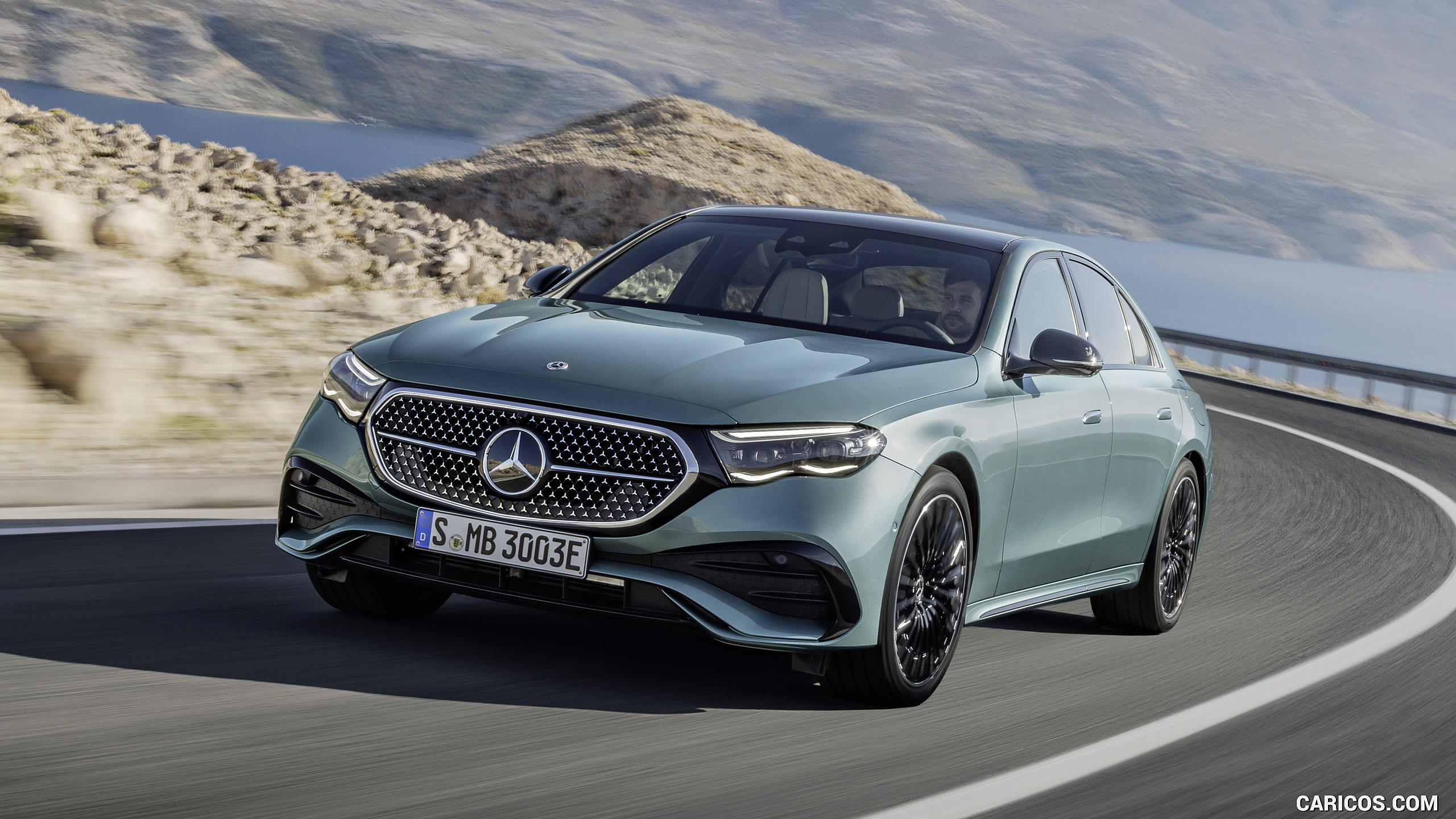

The Mercedes-Benz CLS 500, an epitome of luxury and performance, has long fascinated car enthusiasts and casual drivers alike. Its blend of elegant design, cutting-edge technology, and robust engineering captures the imagination and desire for distinction on the road. However, as with any vehicle, certain model years can exhibit drawbacks that warrant careful consideration. This discussion aims to delineate which years of the CLS 500 to sidestep, fostering a more informed purchase that aligns with your elevated standards.
The CLS 500 made its debut in 2005, marking a significant turning point in the luxury sedan landscape. It was heralded for its unique styling, which melded coupé aesthetics with the practicality of a sedan. However, as alluring as it is, the CLS 500 has experienced a varied trajectory over the years. Knowing which years to avoid can save potential buyers from unforeseen headaches down the line.
One critical period for the CLS 500 to be wary of is the early production years, particularly from 2005 to 2007. While these models boast the original charm and allure of the CLS series, they are also plagued by a multitude of issues that were ironed out in subsequent releases. Notably, many drivers reported significant problems with engine performance and reliability. The M273 engine, while powerful, suffered from oil consumption issues that could escalate into costly repairs. Additionally, reports of electrical system malfunctions and malfunctioning air suspension were common, undermining the very essence of luxury that its nameplate embodies.
Transcending mere mechanical woes, the aesthetic and technological aspects of the 2005-2007 models also fall short of contemporary standards. Infotainment systems were rudimentary, lacking the user-friendly interfaces and functionalities to which modern consumers have grown accustomed. Not incorporating Bluetooth connectivity or a more sophisticated multi-media experience alienates potential buyers who view these features as essentials rather than luxuries.
Transitioning to the 2008 model year, many of these issues were addressed, marking an improvement in reliability and technology integrations. However, the 2008 CLS 500 still had its foibles. Reports of transmission problems, particularly related to the five-speed automatic transmission, suggest that while strides were made, potential customers should remain vigilant and conduct thorough inspections before making a purchase. Although advancements were evident, the specter of early model issues persisted, prompting some to hesitate.
As the CLS 500 evolved into 2009 and beyond, a more palpable shift occurred. The introduction of a new engine variant, the M276, promised enhanced efficiency and power. This engine, paired with a revamped transmission system, provided a smoother driving experience and raised the profile of the model notably. While problems were less frequent, buyers should still approach pre-owned models with discernment, particularly with those high-mileage vehicles which may exhibit wear in suspension components and brakes, as these can affect the overall driving dynamics.
From 2010 to 2013, the CLS 500 further refined its aesthetic and mechanical prowess, integrating features that appealed to drivers who relish in both style and function. Nevertheless, the decade experienced a shift in priorities, with carbon footprint and sustainability becoming focal points. Consumers began gravitating toward hybrid and electric vehicle discussions, casting an inadvertent shadow on the robust combustion engines that defined the market for years.
The final iteration of the CLS 500 arrived in 2017. This sleek coupé featured a multitude of innovative technologies, advanced safety systems, and luxurious materials that embody the Mercedes-Benz ethos. However, with any new product, teething issues may arise. Certain drivers noted sporadic software glitches, particularly related to the infotainment system and driver-assistance features. Even with an overall positive trajectory, comprehensive owner evaluations and expert reviews continuously reinforce that prospective buyers should seek models with a clean service history and thorough documentation – a safeguard against encountering recurrent issues stemming from engineering experiments.
As we sift through the years, it becomes evident that the fascination with the CLS 500 extends beyond its surface appeal. It is a compelling narrative of evolution against the backdrop of automotive innovation. The combination of design elegance juxtaposed with technological advancement leaves many whispering about the model’s legacy. This allure, however, must be tempered with discernment, especially when navigating the used car market.
Ultimately, the key takeaway for any prospective buyer of a Mercedes-Benz CLS 500 is to remain mindful and vigilant. Avoiding the early models from 2005 to 2007 is prudent due to the plethora of reliability issues. The 2008–2013 models offer a more stable bet, although thorough inspections remain paramount. The final generation since 2017 holds the promise of luxury, yet remains susceptible to its own set of issues, marking the importance of research and informed decisions.
In conclusion, the Mercedes-Benz CLS 500 presents a captivating blend of luxury and performance that continues to enchant, but prudence is essential. Understanding the nuances of what years to avoid enhances the enjoyment of what is arguably one of the most captivating sedans on the market. By exercising caution, potential buyers can embrace the driving experience they deserve, avoiding pitfalls that detract from the prestige and enjoyment this remarkable vehicle promises.
