
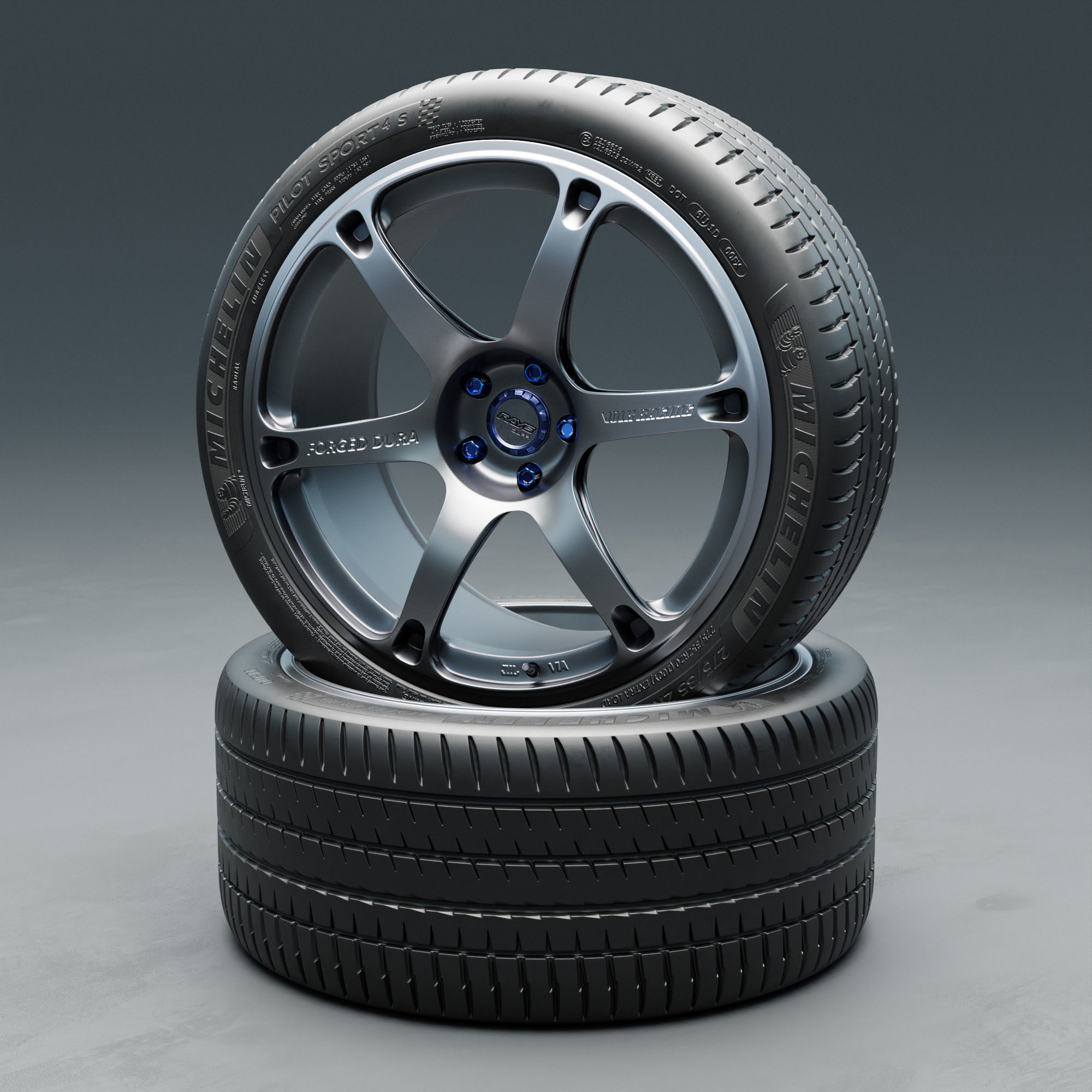

When it comes to enhancing vehicle performance and aesthetics, one often-overlooked option is the installation of wheel spacers. These components can awaken your car’s potential in intriguing ways, encouraging drivers to reconsider their preconceived notions. But what exactly are wheel spacers, and what are the implications of using them? Let’s explore the pros and cons of wheel spacers, guiding you through the maze of possibility.
Understanding Wheel Spacers
Wheel spacers are devices that are installed between the hub of the vehicle and the wheel itself. Their primary purpose is to alter the offset of the wheel, effectively pushing it outward. This seemingly simple alteration can have substantial implications for your vehicle’s handling, dynamics, and even appearance.
The Pros of Wheel Spacers
1. Enhanced Aesthetic Appeal
One of the most immediate effects of installing wheel spacers is the visual impact. By shifting the wheels further out from the vehicle’s body, spacers can create a more aggressive stance, filling out the wheel wells. This transformation can amplify the vehicle’s overall silhouette, engendering an invigorating and sporty look that many automotive enthusiasts crave.
2. Improved Handling
Wheel spacers can also significantly influence handling dynamics. By increasing the distance between the wheels, the vehicle’s track width is broadened. This wider stance can lead to increased stability when cornering and better overall balance. For drivers who relish spirited driving, this benefit can be exhilarating, offering a heightened sense of control.
3. Tire Clearance
An often overlooked advantage of wheel spacers is their ability to provide additional tire clearance. This becomes crucial, particularly for enthusiasts looking to upgrade to larger tires without altering the suspension geometry. By creating more space, they can prevent tire rub, which can occur during hard cornering or when the vehicle is loaded, thus safeguarding both tires and bodywork.
4. Accessibility of Wheel Options
For car owners who wish to diversify their selection of aftermarket wheels, spacers can act as a gateway. Some stylish wheels may not have the correct offset for a direct fit. Spacers enable the use of a wider variety of wheel designs, allowing enthusiasts to curate a personalized aesthetic that may have previously seemed unattainable.
5. Affordability and Ease of Installation
Compared to other performance modifications, wheel spacers are relatively inexpensive. Their installation does not generally require extensive mechanical expertise or special tools. Many drivers can undertake the installation quite comfortably in their own garages, process transmuting an ordinary vehicle into something distinctively specialized.
The Cons of Wheel Spacers
1. Altered Vehicle Dynamics
While wheel spacers can enhance performance, they can also introduce complications. The widening of the track affects handling characteristics. If not carefully measured, spacers can alter load distribution across the suspension and may lead to unintended consequences, such as increased wear on components. This trade-off warrants careful consideration.
2. Increased Stress on Suspension
Installing spacers can place additional stress on suspension components. With the wheels being pushed outward, the angles of the suspension change, which may lead to accelerated wear on bushings, control arms, and even tire tread. It is vital to consider the potential longevity of your vehicle’s suspension when integrating wheel spacers into your setup.
3. Potential for Vibration
If improperly installed, wheel spacers can introduce unwanted vibrations that resonate through the steering wheel, negatively affecting driving comfort. Ensuring a precise fit and torque specifications is paramount to safeguarding against such issues. Misalignment of spacers can become a vexing problem, prompting drivers to pay close attention to their mechanics.
4. Legal and Safety Considerations
In some regions, the use of wheel spacers might infringe upon local vehicular regulations. Certain jurisdictions may have stringent guidelines regarding vehicle modifications, particularly those that affect suspension or handling. Before making a decision, it’s wise to consult local laws and consider safety implications, including the potential consequences of non-compliance.
5. A Compromise in Ride Quality
While wheel spacers can enhance performance, they may also affect ride quality. The stiffer handling could translate into a harsher driving experience, particularly on uneven terrain. Drivers who prioritize comfort might find that the added performance comes at the expense of a smooth ride, leading to an internal debate about what truly matters.
Are Wheel Spacers Right for You?
Weighing the pros and cons of wheel spacers requires careful introspection. Enthusiasts drawn to an aggressive appearance and improved handling may find spacers to be a fascinating enhancement. However, those who prioritize comfort, safety, and the longevity of their vehicles may need to proceed with caution, navigating the complex landscape of vehicle modifications with wisdom.
Ultimately, the decision to install wheel spacers lies within the realm of personal preferences and driving styles. Gaining clarity on how these components align with your aspirations will empower you to make informed choices for your vehicle. With an understanding of both benefits and drawbacks, you are poised to venture forth into the world of wheel mods, equipped with knowledge that inspires confidence.
