

Encountering a flashing check engine light can be a disconcerting experience for any vehicle owner. It’s that tiny beacon of anxiety, hinting that something isn’t quite right under the hood. The question on everyone’s mind is, “What does it mean, and what should I do about it?” This article delves into the intricacies of check engine light diagnostics, unraveling the complexity of your vehicle’s warning signals.
First, let’s establish the primary purpose of the check engine light. This feline-faced indicator is more than just an ornament on your dashboard; it serves as a communication tool that conveys critical information about your vehicle’s engine and emissions system. When illuminated, it signifies that the onboard diagnostic system has detected an anomaly that requires attention. However, when the light begins to flash, it escalates the urgency of the situation.
A flashing check engine light typically signifies a severe issue, often related to engine misfires, which leads to unburned fuel being emitted into the exhaust system. This condition not only results in poor engine performance but can also inflict significant damage to components like the catalytic converter. Therefore, it’s imperative to approach a flashing light with a sense of urgency.
Understanding what might cause the check engine light to flash is crucial. Let’s explore some common culprits:
- Ignition System Issues: Worn spark plugs or malfunctioning ignition coils can cause misfires. When the spark that ignites the fuel-air mixture fails, the engine struggles, leading to the infamous flashing light.
- Fuel System Challenges: Problems with the fuel injector or fuel pump can disrupt the precise fuel-air mixture. An inadequate fuel supply can prevent the engine from maintaining its regular rhythm, hence triggering the warning light.
- Faulty Sensors: The engine relies on various sensors, such as the oxygen sensor and mass airflow sensor, to collect data and make necessary adjustments. A failing sensor may not communicate data accurately, causing the engine management system to falter.
- Exhaust System Problems: An obstruction in the exhaust system or a failing catalytic converter can hinder the engine’s performance. An overheated catalytic converter is often a result of unburned fuel getting into it, further amplifying the urgency of addressing the flashing light.
As you can see, the anatomy of a flashing check engine light can be quite intricate. And while it might seem daunting, it’s entirely manageable with the right knowledge and approach. But what should you do when the light starts flashing?
First and foremost, do not ignore the warning. The flashing light is signaling that immediate attention is required. If you find yourself on the road, the best practice is to safely pull over to a secure area as soon as possible. Continuing to drive with a misfiring engine could lead to catastrophic damage.
Once you’ve safely parked your vehicle, it’s time to perform a brief assessment. Listen to your engine. Are there any strange noises? Any unusual vibrations? These sensory cues can offer valuable insights into the nature of the problem. Additionally, take note of any changes in engine performance – does it seem to lag or hesitate during acceleration? Such observations can help you when discussing the issue with a technician.
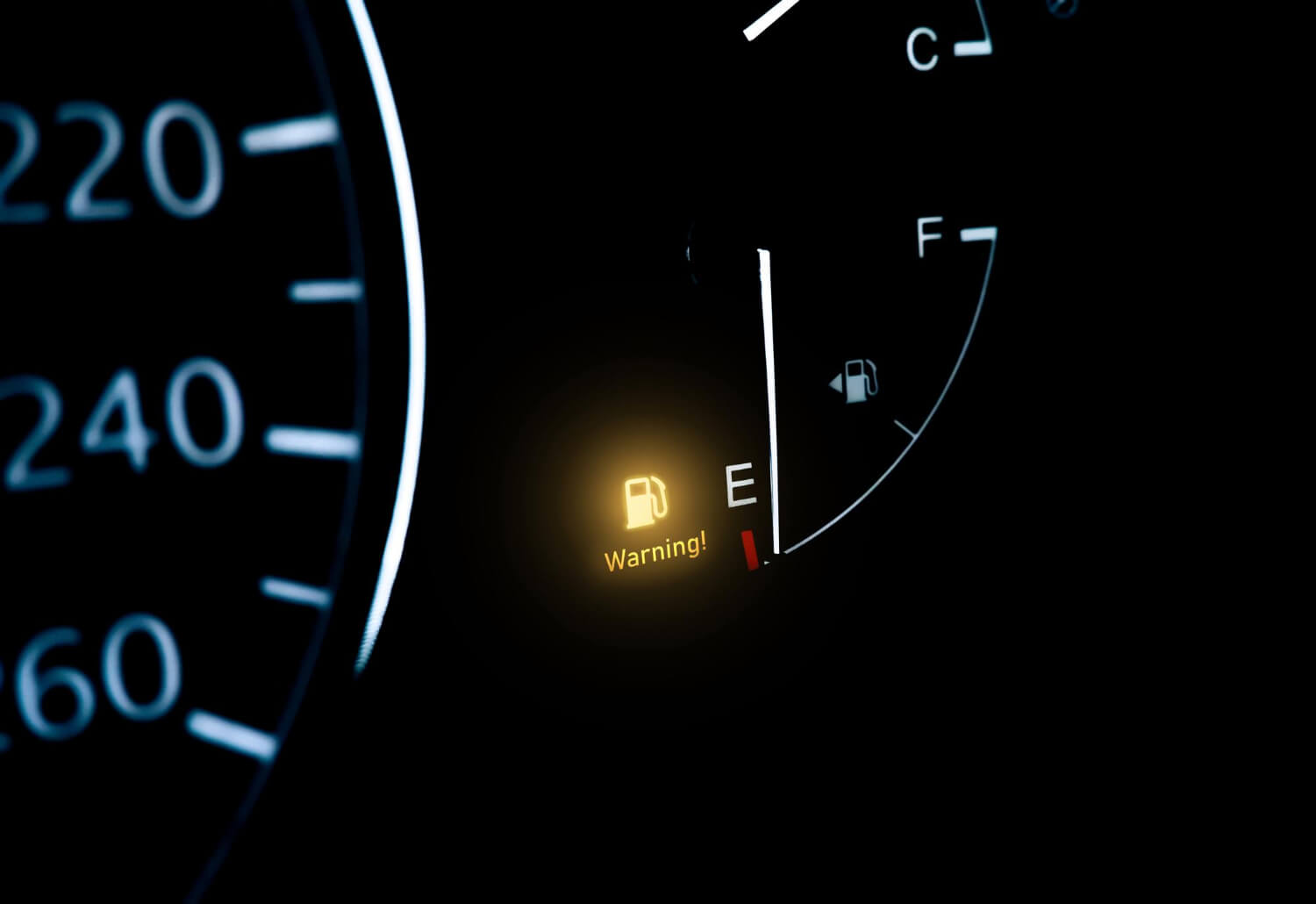
Next, consider checking for any other indications of trouble. Look at your fuel gauge – is it low? Sometimes, running low on fuel can lead to misfires, particularly if sediment has accumulated in the fuel tank. If the light doesn’t go away after refueling, then the real troubleshooting process begins.
The next step is to connect your vehicle to an OBD-II scanner. This tool retrieves diagnostic trouble codes (DTCs) stored in your vehicle’s computer, providing a clearer picture of what’s awry. Many auto parts stores offer free scanning services, allowing you to gain insights without making an appointment at a mechanic. However, interpreting the codes might require some expertise, as not all vehicles use the same language. The codes will guide you toward which systems are experiencing difficulties.
With the DTCs in hand, you can make more informed decisions about the necessary repairs. Depending on your level of mechanical prowess, you may opt to tackle the issue yourself or enlist the help of a professional mechanic. If you choose the latter, sharing the codes will facilitate a more streamlined diagnostic process.
Moreover, don’t overlook preventive measures post-repair. Regular maintenance—such as oil changes, spark plug replacements, and fuel system checks—can significantly enhance your vehicle’s reliability and performance. A little forethought goes a long way in preventing a recurrence of such anxiety-inducing situations.
To wrap it up, a flashing check engine light should never be taken lightly. It serves as an urgent notice that something requires immediate attention, and swift action can help avert further damage. By understanding the underlying causes of this flashing warning and how to respond appropriately, you empower yourself as a vehicle owner. Instead of viewing the check engine light as a mere annoyance, embrace it as your vehicle’s way of communicating its needs. In the realm of car care, knowledge truly is power.
In conclusion, the journey of troubleshooting your check engine light can shift your perspective. Rather than being a cause for panic, it can enhance your understanding of your vehicle’s intricate workings. After all, every challenge is an opportunity for growth, and that includes navigating the world of automobile diagnostics.
