
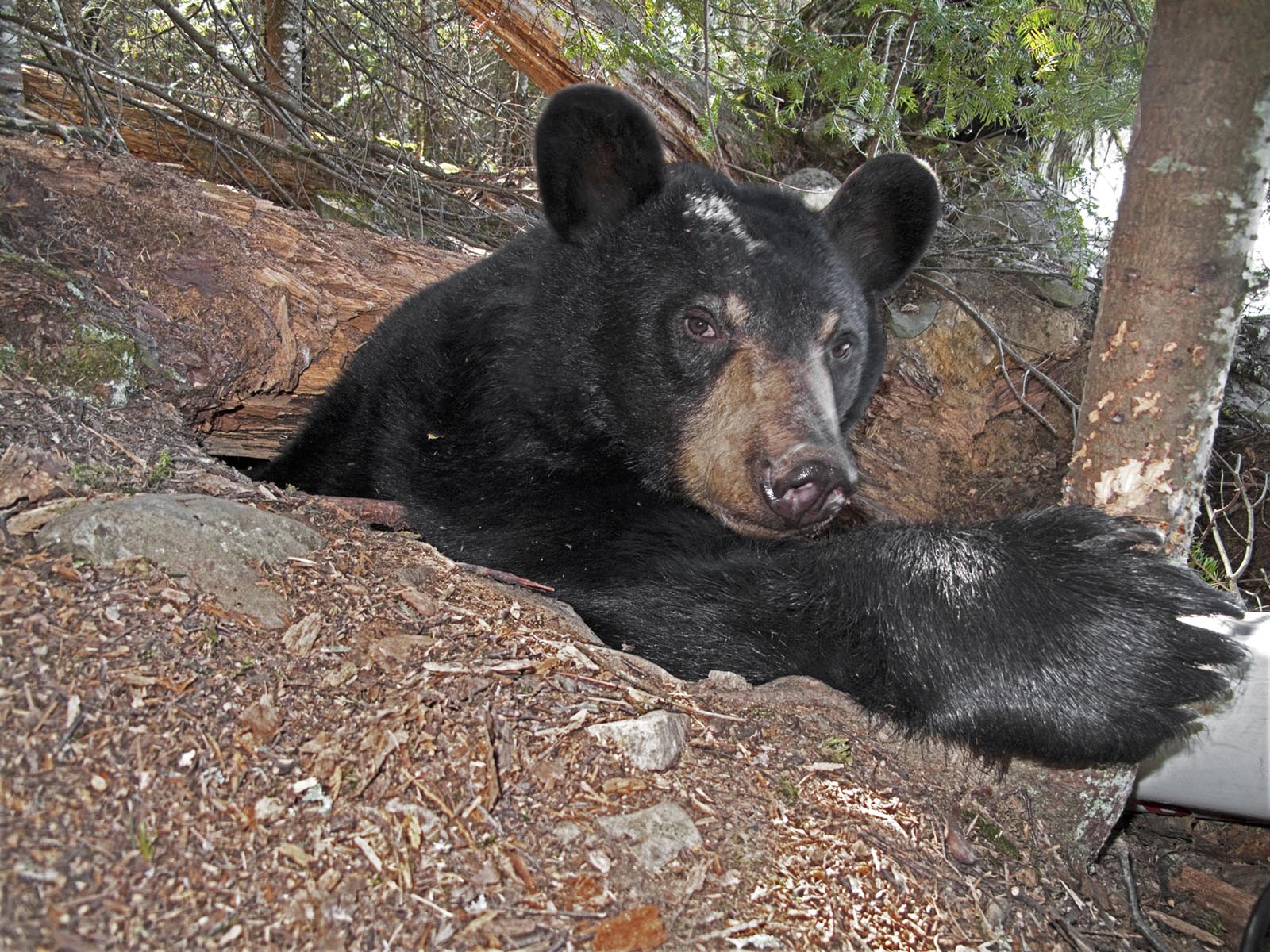

Picture yourself wandering through an ancient forest where shadows writhe beneath the canopy like whispers of secrets long forgotten. Sunbeams filter through the trees, illuminating the underbrush where life unfurls in vibrant hues. Amidst this tapestry of verdant green and earthen browns lies a hidden world—a realm where bears, those majestic monarchs of the wilderness, prepare for their winter slumber. Welcome to the enigmatic existence of bear dens, where nature’s braveness meets its tender vulnerability.
To the untrained eye, a bear den might appear as just another inconspicuous hollow or mound of leaves, yet these seemingly mundane structures betray a myriad of complexities. Understanding how we identify these sanctuaries invites us not just into the life of a bear, but into the intricate symbiosis of ecosystems that span vast landscapes.
The Anatomy of a Bear Den
Visualize a refuge, cloaked in camouflage. A bear den can be found beneath the roots of a colossal tree, encased in rocks, or nestled deep within a shallow cave. More often than not, it bears the marks of nature’s artistry—scrapes, claw marks, and scattered foliage tell tales of previous inhabitants. The entrance is usually low and unobtrusive, a gateway designed to shield its occupant from both predators and the harshness of winter.
Research suggests that bears often select locations that maximize warmth and minimize vulnerability. The inner sanctum, where bears huddle in a cocoon of warmth, might be studded with leaves, grass, and even the softest moss—elements reminiscent of a sumptuous bed for winter’s repose. This design is not arbitrary; it’s an evolutionary adaptation, allowing bears to balance a guilty pleasure for warmth with a steadfast commitment to survival.
The Search: Signs and Clues
Locating bear dens requires both a keen observer’s eye and an imaginative spirit. Trails may be slightly worn, the earth distinctively disturbed by countless paws marching towards these hidden havens. Look for scat—nature’s calling card—often abundant near the entrances. Discarded remnants of berries, vegetation, and the occasional bone illustrate the feast that once took place before hibernation. The scent of musk can be an unmistakable herald of bear presence. Bear tracks, an imprint of life’s bounteous journey, are another effective clue. With claws that carve into the ground, an expert eye can discern whether the prints belong to a solitary wanderer or a protective mother with cubs in tow.
Although spotting a bear den can be akin to tracking a ghost—frustratingly evasive—it can be a delightful endeavor, transforming a mundane walk into a treasure hunt of natural wonders.
Seasonal Perspectives
With each change of season, the role and appearance of bear dens morph dramatically. In the fall, the denning sites transform into a sanctuary of preparation. Bears busy themselves gathering fat, instinctively understanding that their long winter silences will be punctuated by deep, restorative sleep. In contrast, as winter embraces the landscape, these dens serve as strongholds against the desolation outside, where all life seems to slow to a gentle hum.
As spring unfurls its petals, the den shifts from a cocoon to an exodus point, where the worn occupants emerge, often groggy but ready to reclaim their territory. This awakening from hibernation is a renaissance wrapped in the tactile warmth of the sun—a moment where instinct dances with the rhythm of life itself, heralding the continuation of nature’s saga.
Ecological Significance
Bear dens are not merely havens for their inhabitants; they play a pivotal role in the ecosystem. The decomposition of the organic materials left behind creates mini-ecosystems, nourishing the soil and enabling new life to flourish. Small mammals, insects, and birds often find respite in these old dens, extending the cycle of life even after the original residents depart.
Moreover, the presence of bear dens signifies a healthy habitat, one with adequate resources that sustain not only bears but an entire community of flora and fauna that rely on the same resources. Guarding these locations, therefore, becomes not just a matter of wildlife protection but a celebration of biodiversity that contributes to the resilience of ecosystems.
Conservation Efforts
As guardians of nature, it becomes our imperative to protect these sanctuaries. Efforts to promote awareness about bear habitats spotlight the necessity of conserving these crucial areas. Engaging community members through educational outreach can foster respect and understanding for our wild neighbors, leading the way towards a more harmonious existence.
Whether through sustainable forestry practices or habitat restoration initiatives, the need to protect bear dens resonates with the broader call to preserve nature. In doing so, we guarantee that future generations will have the privilege of discovering these woodland treasures and the magic they enclose.
A Symbol of Resilience
Ultimately, bear dens stand as a symbol of resilience. They encapsulate the spirit of survival, the seasons of life, and the innate connection between man and nature. Identifying bear dens transcends mere observation; it is an invitation to participate in an age-old narrative that celebrates the wildness of our world.
As you tread the softly worn trails leading into these forested realms, consider the bear and its deep-rooted history within the ecosystem. Embrace the intrigue of identifying bear dens, for in doing so, you become a part of a larger story—a tale of adaptation, mystery, and survival that has unfolded long before our footsteps echoed through the wilderness.
