
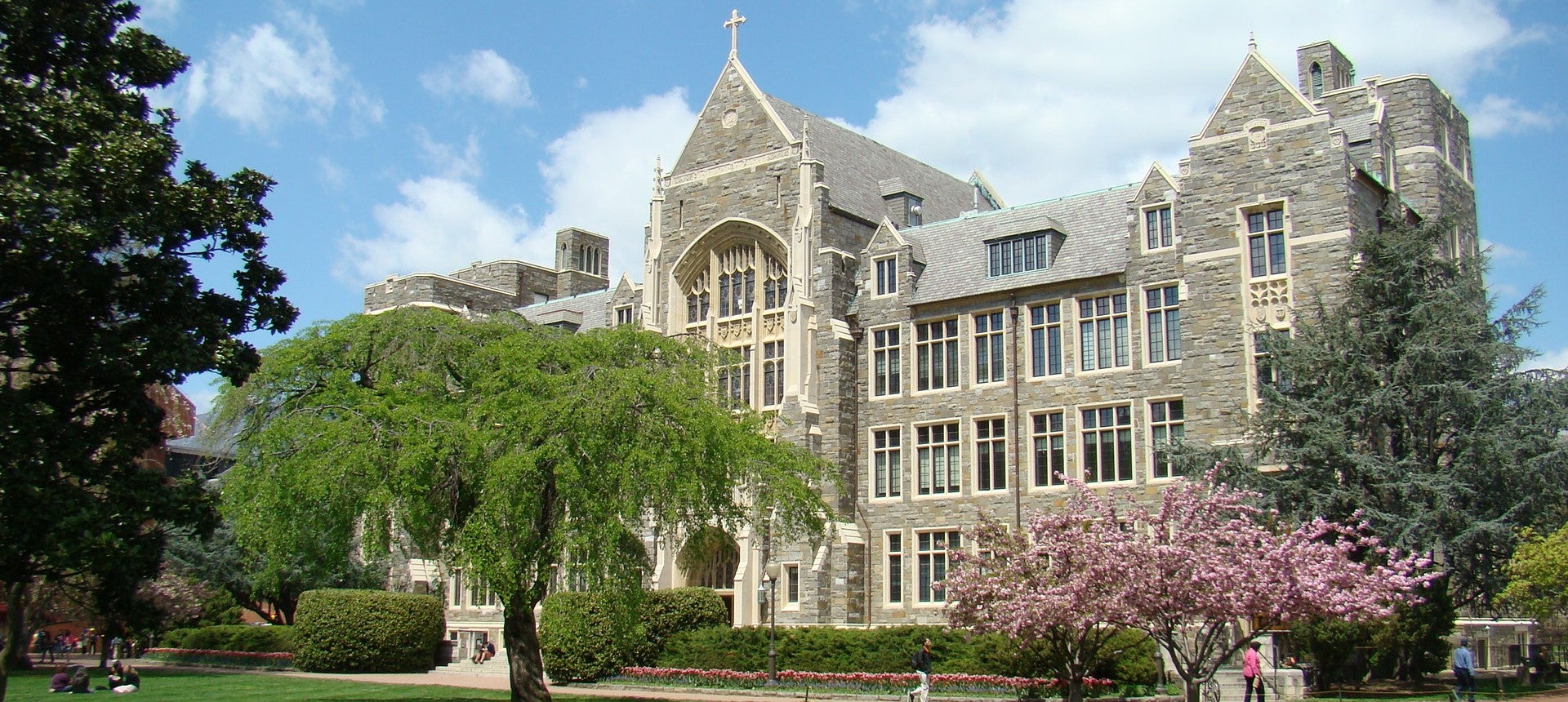

Georgetown University, nestled in the heart of Washington D.C., is a prestigious institution that has garnered attention not just for its stunning campus and historic significance, but also for its robust academic offerings and competitive admissions process. Often, prospective students and parents find themselves poring over data points found in the Common Data Set (CDS) to understand better the university’s intricate landscape. This comprehensive examination seeks to elucidate the salient features of Georgetown’s admissions and statistics while offering insights into the underlying allure of this esteemed university.
At first glance, the Common Data Set for Georgetown University reveals figures that speak volumes. With an acceptance rate that hovers around 14-16%, it is evident that the university is highly selective. For many, this statistic serves as a litmus test of academic rigor and prestige, igniting intrigue among aspirants. However, a deeper examination of these figures offers more than just a benchmark of selectivity—it invites contemplation about the essence of what makes a Georgetown student.
The data reflects not merely numbers, but the university’s commitment to cultivating a diverse and intellectually robust student body. Within the traditional metrics of standardized test scores, GPA distributions, and demographic representation lies a philosophical underpinning. Georgetown seeks students who embody not only academic excellence but also a commitment to service and leadership. This duality—academic prowess coupled with a profound sense of social responsibility—may well be the secret sauce that attracts those who wish to be part of a legacy steeped in Jesuit values.
As one sifts through the statistics, it becomes apparent that Georgetown’s exceptional faculty is a significant draw. With a student-to-faculty ratio that often nears 11:1, students experience a palpable level of engagement in the classroom. This intimate educational environment fosters deep connections, collaboration, and a sense of belonging. It’s not just about being taught; it’s about being mentored. For many prospective students, this aspect resonates deeply, leading them to choose Georgetown as a springboard for both academic and personal growth.
Moreover, the composition of the student body adds another layer of fascination. Georgetown boasts a vibrant mosaic of cultures, ethnicities, and perspectives. Approximately 25% of its undergraduates are international students, which contributes to the university’s global perspective. In an increasingly interconnected world, the ability to interact with individuals from diverse backgrounds enriches the educational experience and prepares students to navigate an intricate global landscape. The university’s Mission Statement underscores this trajectory, emphasizing a commitment to fostering a community dedicated to dialogue and inclusion—a value that resonates profoundly with many students today.
Let’s delve deeper into the admissions process itself. The application procedures at Georgetown are both rigorous and holistic. In addition to the ubiquitous SAT or ACT scores, the university emphasizes the importance of personal essays, recommendations, and extracurricular involvement. This multi-faceted approach allows admissions officers to gauge the character and potential of each applicant beyond mere numbers. It leaves room for the narrative—the student’s story, motivations, and aspirations—which often proves to be a significant deciding factor in admissions.
Prospective applicants often express a desire to understand how they can differentiate themselves in such a competitive pool. As a response, many find themselves engaging in transformative experiences, whether through community service, leadership roles in student organizations, or unique creative pursuits. This quest for distinction is not merely a pursuit of admission; rather, it encapsulates a broader ambition to embody the principles that Georgetown stands for, such as compassion, integrity, and excellence.
The academic offerings at Georgetown further cement its reputation as a hub of intellectual inquiry. With over 40 majors and numerous interdisciplinary programs, students have the freedom to explore a wide array of subjects. The presence of specialized institutions, such as the School of Foreign Service and the McDonough School of Business, also highlights the university’s commitment to preparing future leaders equipped with both theoretical understanding and practical skills. This multidisciplinary framework fosters an environment where innovation can flourish, and interdisciplinary collaboration is the norm.
The vibrant campus life at Georgetown also plays a vital role in attracting prospective students. The university is home to over 400 student organizations, ranging from academic societies to cultural clubs, allowing students to immerse themselves fully in extracurricular pursuits. Student life is further enhanced by a breathtaking campus, characterized by its historic architecture and picturesque location along the Potomac River. The very essence of the campus creates a natural backdrop for camaraderie and personal growth, giving students a sense of belonging and purpose.
The geographical location of Georgetown University adds yet another compelling dimension. Situated in Washington, D.C., students benefit from a unique vantage point that offers numerous opportunities for internships, networking, and community engagement. The proximity to major political, cultural, and economic institutions equips students with invaluable experiences that are often pivotal in shaping their career trajectories. The city itself becomes an extension of the classroom, providing lessons in civics and governance that few other institutions can replicate.
In conclusion, Georgetown University transcends the typical statistics that populate the Common Data Set. While many are drawn in by the allure of selectivity and academic excellence, it is the richness of experience, the weight of tradition, and the commitment to social responsibility that truly encapsulates the ethos of this venerable institution. In navigating the complexities of admissions and academics, students uncover not just an educational opportunity but a chance to partake in an enduring legacy that champions both personal achievement and communal service. For those who venture into the hallowed halls of Georgetown, it becomes clear that they are not merely entering a university; they are stepping into a world where ideals meet action, and where future leaders are forged.
