
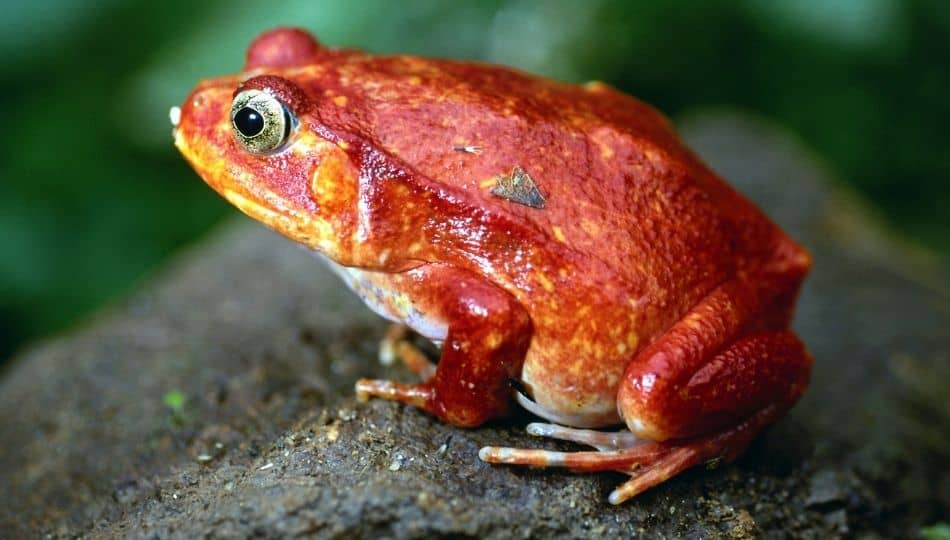

As dawn breaks and the sunlight glistens off the surface of a tranquil pond, a fascinating spectacle unfolds. Tiny frogs leap from lily pads to the shoreline, creatures that embody the duality of life—thriving on both land and in water. Amphibians, the quintessential representatives of this captivating existence, offer us a glimpse into an extraordinary evolutionary adaptability. But they are not alone; other species share this alluring double life. Let’s explore the compelling world of creatures that traverse the realms of land and water, illuminating the delicate balance of their habitats and the inherent wonders of their existence.
Amphibians, including frogs, toads, and salamanders, are the most prominent examples of organisms that can comfortably alternate between aquatic and terrestrial environments. Their physiological makeup is truly remarkable, featuring permeable skin that allows them not just to breathe and absorb water but also to release waste. This unique attribute facilitates their dual lifestyle but also exposes them to certain vulnerabilities, particularly in an ever-changing climate. As they navigate these two worlds, amphibians experience significant metamorphosis—a transition from larvae, often fully aquatic, to their adult forms, which may be adept at surviving on land. This transformation is not merely a biological necessity but symbolizes resilience and adaptability to varying ecosystems.
However, the amphibiotic lifestyle is hardly limited to frogs and salamanders. Consider the intriguing group of reptiles known as turtles. These shelled wonders represent a fascinating convergence of land and water life. Turtles can often be seen basking on riverbanks, soaking up the sun, while their bodies are exquisitely adapted for life beneath the water’s surface. Their streamlined shapes and powerful limbs allow them to glide with grace through aquatic realms, hunting for food while simultaneously being vulnerable to predators. The dual nature of their existence demonstrates a remarkable evolutionary strategy—adapting physical traits to exploit resources in disparate environments successfully.
Beyond amphibians and turtles lies a broader ecosystem of species that exemplify this transitional lifestyle. Certain mammals, such as otters and beavers, have also evolved to thrive in both worlds. Otters, with their playful disposition, are aquatic carnivores possessing sleek bodies designed for swimming. Yet, they are just as comfortable on land, where they can rest, breed, and relevantly engage with their terrestrial ecosystem. Beavers, on the other hand, are skilled engineers, building extensive dams that create extensive aquatic habitats, while they themselves venture ashore for foraging. These behaviors not only demonstrate how intertwined the land and water worlds can be but also highlight the complex interdependencies that characterize these ecosystems.
With every leap and splash, these creatures capture our imagination, inviting us to ponder deeper connections within the natural world. Why are amphibians particularly captivating? Perhaps it is their dual life that mirrors the human experience, navigating between different roles and environments. This duality evokes a unique sense of curiosity about how life strategies can differ so vastly yet succeed dramatically across varying settings. Humans are also inhabitants of both environments; we interact with water for sustenance and recreation while inhabiting land. This shared reliance draws a parallel, enhancing our fascination with these remarkable creatures.
The beauty of this realm, however, is increasingly threatened. Habitat destruction, climate change, pollution, and the introduction of invasive species have placed tremendous pressure on amphibian populations, which are already in decline globally. These changes not only threaten the survival of amphibians but disrupt entire ecosystems. As they occupy crucial niches within both aquatic and terrestrial realms, their loss can cascade through food webs, affecting countless other species. For instance, the decline of frogs—those iconic harbingers of environmental health—indicates shifting ecological balance and foreshadows broader challenges within fragile ecosystems.
In response to these pressing concerns, conservationists are intensifying their efforts to protect the multifaceted environments that sustain amphibious and semiaquatic creatures. Initiatives range from habitat restoration and creation of wildlife corridors to legislative advocacy aimed at reducing pollution and ensuring the integrity of wetlands. This is a race against time; preserving these ecosystems will rely not only on local actions but also on global recognition of their intrinsic and economic value. The aesthetic marvel of a frog’s leap or an otter’s playful dive encapsulates a broader narrative about biodiversity; safeguarding these species goes beyond mere fascination; it is a vital investment in the health of our planet.
To truly appreciate the intricate web of life sustained by creatures that share the land and water, we must engage in a dialogue—recognizing that, while we may enjoy the whimsical rush of an amphibious creature, we also bear a responsibility to protect its habitat. As the world around us evolves, let’s commit to understanding and preserving the sanctuaries that enable these dual dwellers to thrive. They remind us, through their very existence, of the harmony of life and the mysteries that linger both beneath the surface and beyond the shore—a delicate dance of adaptation and survival worthy of our utmost attention.
