
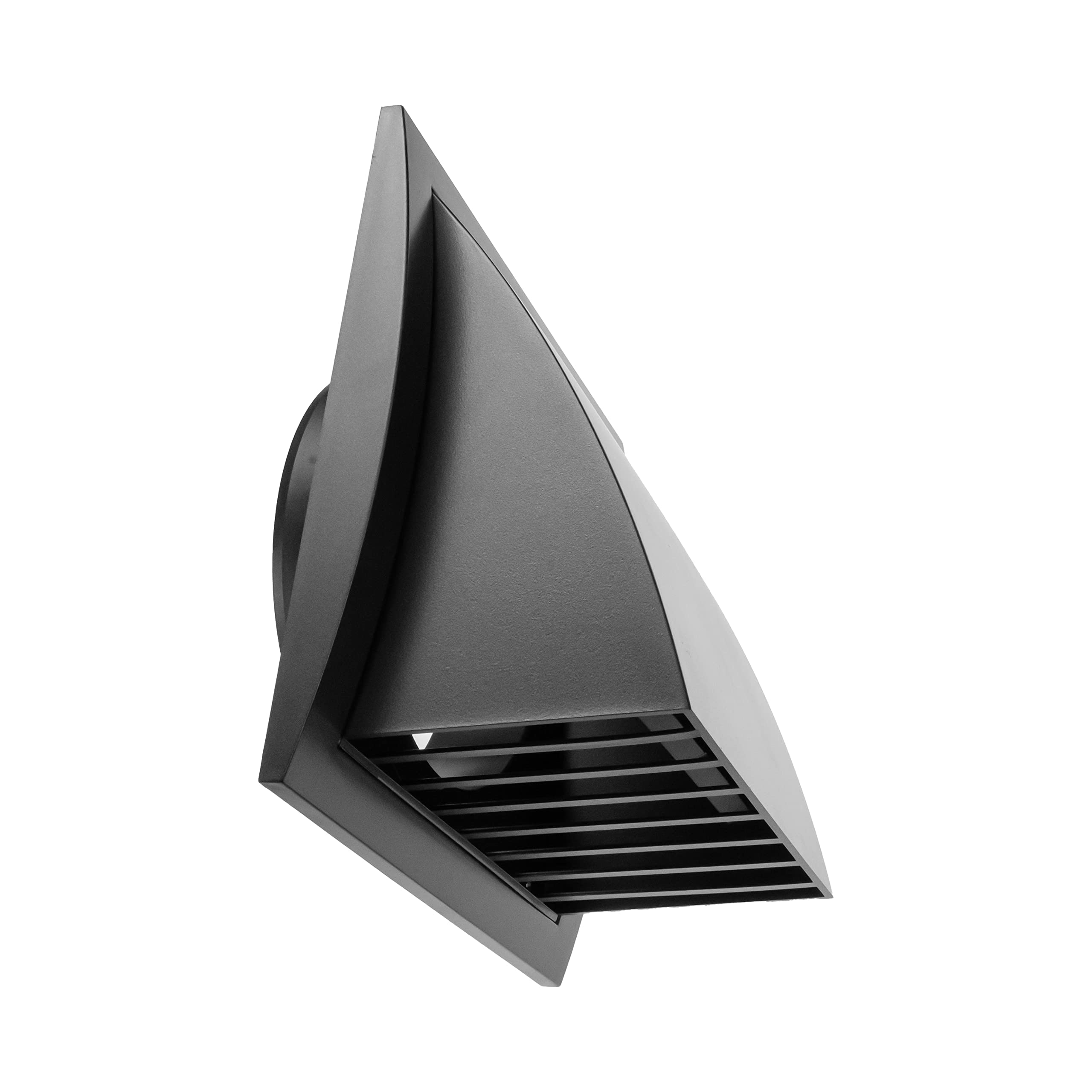

When it comes to maintaining a comfortable living environment, few elements are as crucial as the air we breathe. It’s the unseen force circulating around us, the comforting balm against the harsh realities of seasonal temperature fluctuations. Within this realm of climate control, the humble exhaust vent holds a substantial amount of power over indoor air quality and temperature regulation. But herein lies a common conundrum: should you keep your exhaust vent open or closed? This decision is not merely a flick of a switch; it is a pivotal choice that can influence comfort, efficiency, and even health.
Let’s embark on a journey to explore the secretive realm of exhaust vents. Imagine for a moment your home as a ship navigating through the turbulent waters of the climate. The open exhaust vent acts as a sail, catching the refreshing winds of outdoor air, while a closed vent is akin to a hull, sealing in warmth and stability. Each choice comes with its own set of advantages and potential drawbacks. To understand which option is best for you, we must dive into the murky depths of what these vents do and how they affect our lives.
In its simplest form, an exhaust vent serves to remove stale air, moisture, and odors from your abode. Think of it as a gateway to the outside world, allowing softened breezes to flow in while ushering unwelcomed humidity and smells out. During a balmy summer’s day, the open vent beckons invigorating gusts of fresh air, lowering indoor temperatures and creating a refreshing ambiance. Yet, when winter blankets the landscape outside, that very same vent could allow chilling winds to seep in, nullifying the cozy cocoon crafted by your heater.
Conversely, closing the exhaust vent can bestow stability. By sealing this aperture, you can trap warm air inside, creating an oasis of comfort during the colder months. You could equate this to cocooning—yet it also raises questions about air quality. Stagnant air could become a breeding ground for allergens and pollutants. A delicate balance must be struck between comfort and health that often leaves homeowners in a quandary.
Another noteworthy factor in this decision-making process is your home’s insulation. Like the fabled tale of Goldilocks, you want to find the setting that is just right. A well-insulated home may thrive with vents closed, allowing effective heat retention. However, in homes lacking adequate insulation, an open vent can replace stuffy air with fresh outdoor breezes, potentially averting the staleness that leads to discomfort. In this case, think of open vents as serving a dual purpose—not only providing fresh air but also avoiding the unintentional trapping of indoor pollutants.
Humidity levels also dance at the core of this discussion. During the sweltering summer months, the open exhaust vent could dramatically reduce moisture levels inside your home. Excess humidity can lead to mold growth and a plethora of respiratory issues, making the open vent a crucial ally in keeping your indoor environment habitable. However, if your location is prone to excessive external humidity, closing the vent might be wise to mitigate moisture intrusion and protect your interiors. The challenge lies in forecasting the weather, much like a seasoned mariner keeping an eye on the horizon.
Then, there is the interplay between the exhaust vent and other ventilation systems. In homes equipped with air conditioning, exhaust vents can significantly affect energy efficiency. When the AC is working tirelessly to cool the air, leaving the exhaust vent open can cause conditioned air to escape, resulting in inefficiency that might lead to inflated energy bills. On the contrary, closing the vent while ensuring adequate air introduction through other means can optimize performance and maintain comfort levels without financial strain.
Let’s not overlook the importance of personal preferences and lifestyle. A family with pets or children might find an open vent essential for maintaining air freshness, warding off lingering scents. Conversely, a more solitary setting might favor closure, promoting warmth and stability. Each living situation casts a unique light on the decision of whether an exhaust vent should remain open or shut, like the contrasting colors of a vibrant sunset.
When making this decision, it can also be useful to consider seasonal shifts. As we transition from crisp autumn to frigid winter, observations may gauge whether open or closed is optimal. Likewise, the early blooms of spring may usher in a renewed perspective on freshness, making an open vent more favorable to welcome the emerging greenery and invigorating scents of blossoms. The rhythm of nature, greatly influences our own indoor environments.
Ultimately, there is no singular answer to the open versus closed exhaust vent debate; rather, it’s a tapestry woven with variables, conditions, and individual preferences. Each scenario paints your living space with its brush, crafting either a welcoming refuge or a stagnant challenge. With keen observations and a pinch of adjustment, you can master the art of exhaust vent management, creating an atmosphere that not only envelops you in comfort but also promotes health and well-being.
In the realm of HVAC and ventilation, the secret to success lies in understanding the nuances of your environment and making educated choices. Just as a sailor learns to read the winds, you too can learn to navigate the complexities of your air management choices. It’s this attention to detail, combined with an awareness of seasonal changes and personal comfort, that empowers you to decide whether to open or close the exhaust vent. After all, your home is not just an edifice; it’s a living space that thrives on the nuances of air and climate, awaiting your deft touch to bring comfort and health every single day.
