
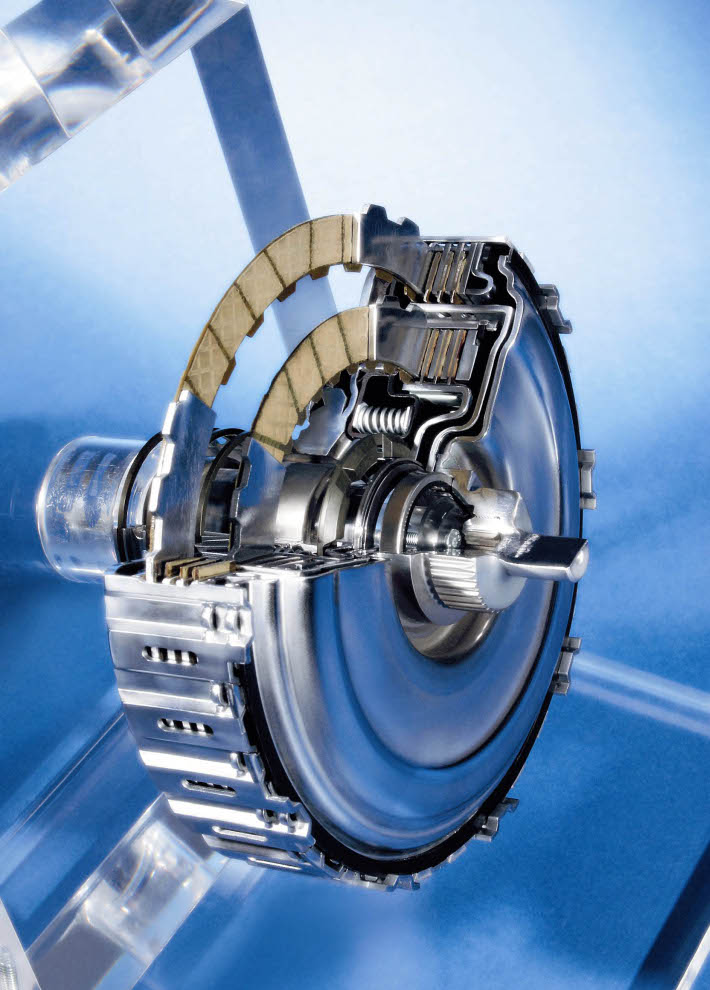

When it comes to driving an automatic car, the question that often arises is: do automatic transmissions come equipped with a clutch? It sounds simple enough, but the answer is more nuanced than one might expect. The world of vehicle transmissions is an intertwining tapestry of engineering marvels and intricate mechanisms designed to make our driving experience as seamless as possible. This exploration will take us through the mechanics of automatic transmissions, the role of the clutch, and how this all affects your driving experience.
To embark on this journey, let’s establish a solid foundation. Traditional manual transmissions require a driver to utilize a clutch pedal to disengage the engine from the wheels, permitting gear changes without grinding the gears. The clutch serves as a crucial link in this power transfer, allowing for smooth transitions between gears as speed and torque demands fluctuate.
However, when we transition to automatic transmissions, the landscape shifts dramatically. Automatics operate through a series of gears that change without the need for direct human intervention. But do they really lack a clutch? Well, here’s where it gets interesting.
Many vehicles fitted with automatic transmissions incorporate a component known as a torque converter. This device acts as a fluid coupling between the engine and the transmission. Unlike a traditional mechanical clutch, which relies on a physical connection, the torque converter utilizes hydraulic fluid to transmit power. This allows the engine to keep running while the car is stationary and provides smooth acceleration from a complete stop.
Now, you might ponder: if the torque converter performs the function of a clutch, what does that mean for driving experience? In essence, it means automatic driving can feel more effortless, but it also introduces the challenge of finding a balance between power efficiency and performance. A torque converter allows for a higher degree of slippage compared to a conventional clutch, which can lead to increased fuel consumption, especially in older models.
But wait, there’s more! There are also dual-clutch transmissions (DCT) to consider—an ingenious hybrid of manual and automatic technologies. Dual-clutch systems feature two separate clutches for odd and even gears, allowing for lightning-fast gear changes. This technology does bring a clutch back into the picture, albeit in a vastly different form and function than what one would find in a manual vehicle. So, if you ask whether automatic cars have a clutch, the answer is a little more convoluted; it depends on the specific type of automatic transmission in play.
What about CVTs, or continuously variable transmissions? This type of automatic transmission employs a different approach altogether. Instead of using traditional gears, a CVT utilizes a system of belts and pulleys to provide an infinite range of gear ratios. Interestingly, this means that a clutch isn’t necessary in the conventional sense. Instead, it offers smooth acceleration without the usually perceptible ‘gear changes.’ However, a CVT also poses unique challenges, especially regarding responsiveness and performance under heavy acceleration.
As we delve deeper into the mechanics, let’s not forget about some of the complexities and nuances that define the driving experience of automatic vehicles. While they offer convenience, they can sometimes feel disconnected from the road. The absence of a traditional clutch pedal might make casual driving feel smoother, but it could also contribute to a certain detachment from the visceral sensations that a manual gearbox offers. How do you feel about this trade-off? Do you prefer the effortless convenience of automatics, or do you yearn for the tactile engagement that a manual transmission brings?
Moreover, considering the plethora of automatic transmission technologies currently on the market, each with its own set of advantages and drawbacks, it begs the question: how do drivers navigate these choices? The burgeoning field of automotive technology continuously introduces innovations aimed at enhancing fuel efficiency and driving dynamics. While one may be drawn to the automatic for its ease of use, others might find themselves leaning toward a dual-clutch system for its exhilarating responsiveness. It’s a personal choice that speaks to one’s preferences and driving style.
Another critical aspect to discuss relates to maintenance and longevity of these transmission systems. Automatic vehicles, especially older models, can face challenges such as transmission slippage, overheating, or fluid leaks. Interestingly, the ease of driving doesn’t always translate to ease of maintenance. The complexity of components in automatic systems could lead to higher repair costs, making it essential for prospective buyers to weigh these factors carefully.
In conclusion, the inquiry into whether automatic cars come with a clutch unveils a world rich in complexity and variety. The torque converter, dual-clutch systems, and continuously variable transmissions each play distinct roles in redefining how we understand automatic driving. They shift the paradigm from the traditional manual experience to a more streamlined, yet complex, mechanistic landscape. And as you sit behind the wheel of your next automatic vehicle—whether it’s gliding along the highway or navigating city streets—consider the intricate engineering at play. Embrace the technology, but also appreciate the artistry involved in crafting the ultimate driving experience. How do you think these innovations will impact the future of driving? The conversation continues, and the challenge lies in understanding and appreciating the seamless blend of convenience and performance in automatic transmissions.
