
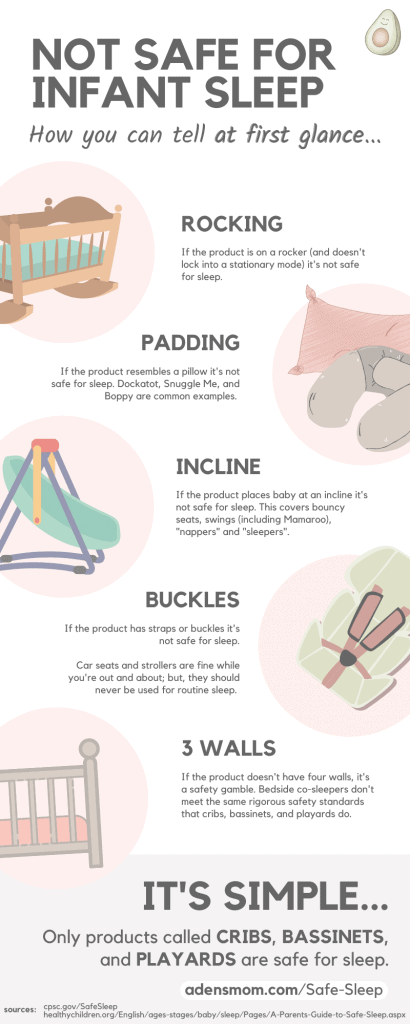

As a new parent, the landscape of child-rearing presents myriad joys and challenges. One of the most pressing concerns is sleep—an elusive commodity that can transform fussy newborns into serene bundles of bliss. In this quest for undisturbed slumber, many parents wonder about the safety of various sleeping arrangements, particularly the practicality of utilizing a bouncer for a newborn’s sleep. Could this seemingly innocuous piece of baby gear harbor risks that warrant caution? This inquiry serves as the fulcrum of our exploration into baby sleep safety.
At first glance, a bouncer seems like a convenient solution to help soothe a baby to sleep. Its gentle rocking motion can be captivating, soothing fussy infants as they drift into dreamland. Moreover, the close design of these contraptions creates a cozy environment, making infants feel safe and snug—a sensation that echoes their time in the womb. However, as alluring as a bouncer may appear, there lie deeper issues that warrant introspection by every caregiver.
To navigate the murky waters of baby sleep safety, we must first address the fundamentals of a newborn’s sleep requirements. A newborn typically needs between 14 to 17 hours of sleep a day. Understanding these critical hours, coupled with the need for a proper sleep environment, is the cornerstone of establishing healthy sleep habits. This is where the role of the bouncer comes into sharper focus.
While it may be tempting to let your newborn nap in their bouncer, various experts warn against this practice. The primary concern stems from the potential risk of Sudden Infant Death Syndrome (SIDS), a tragic phenomenon that has bewildered researchers and families alike. SIDS refers to the sudden and unexplained death of an otherwise healthy infant, usually while they are asleep. Studies have indicated that sleep position and sleep environment can greatly influence the risk of SIDS, urging parents to be vigilant.
Newborns are especially susceptible due to their underdeveloped motor skills, meaning they cannot independently reposition themselves if they begin to roll over in their sleep or become nestled into a potentially dangerous position. Bouncers, while providing a comforting angle, do not typically offer the flat, firm surface recommended by pediatric guidelines. The American Academy of Pediatrics (AAP) strongly advocates for babies to sleep on their backs on a firm mattress devoid of soft bedding and accessories.
Moreover, the design of many bouncers raises additional safety considerations. When an infant is placed in a bouncer for extended periods, they may be in an awkward posture that could lead to positional asphyxia—where airflow is obstructed due to the infant’s head bending forward, posing a suffocation risk. Therefore, despite the seductive notion of a bouncer as a sleep aid, the advice is clear: bouncers should not replace a crib or bassinet for sleeping.
The convocation of safety concerns around bouncers underscores the importance of establishing an ideal sleep environment for your newborn. A crib or bassinet meeting the latest safety standards is paramount. Ensure that the sleeping area is devoid of pillows, blankets, or stuffed animals, which can introduce additional hazards. A simple fitted sheet on a firm mattress is the gold standard for sleep safety.
While the discussion around SIDS is daunting, it is crucial to keep in mind that awareness fosters proactive measures. By understanding the risks associated with specific sleeping arrangements, parents can take informed steps to mitigate threats to their child’s safety. Considering the multitude of options available, it is also worth exploring alternatives that parent and baby would appreciate.
For soothing your baby, consider the use of a swing or a vibrating bassinet, which might also provide a comforting motion without compromising safety. As a parent, finding that perfect balance between nurturing and safeguarding transforms the experience of caring for a newborn into a harmonious endeavor. This involves acknowledging your baby’s needs while complying with established guidelines to create a secure environment.
Another critical aspect to consider is the age and developmental stage of your infant. As babies grow, their sleeping patterns will evolve, leading some parents to experiment with various methods to help them settle. While some infants may learn to enjoy napping in a bouncer, it is still advisable to adhere closely to safety protocols, tempering your approach with discernment and understanding.
In addition, it is beneficial to nurture healthy sleep associations. Encourage a consistent bedtime routine that signals to your baby that it is time to wind down. Whether it includes a gentle lullaby, dim lighting, or skin-to-skin contact, establishing rituals can foster a sense of security, paving the way for improved sleep outcomes.
In conclusion, the question of whether a newborn should sleep in a bouncer is a nuanced one. The immediate conveniences and allure of these devices can obscure the underlying risks that accompany their use. Sleep safety is not a luxury but a necessity; understanding and adhering to guidelines can significantly reduce risks like SIDS. Committing to a firm sleep surface and being vigilant about the newborn’s positioning will foster a safe environment conducive to restful slumber. As caregivers, the foundational shared goal is clear: to provide a nurturing, protective space for our infants as they embark on their journey into the world of sleep.
