
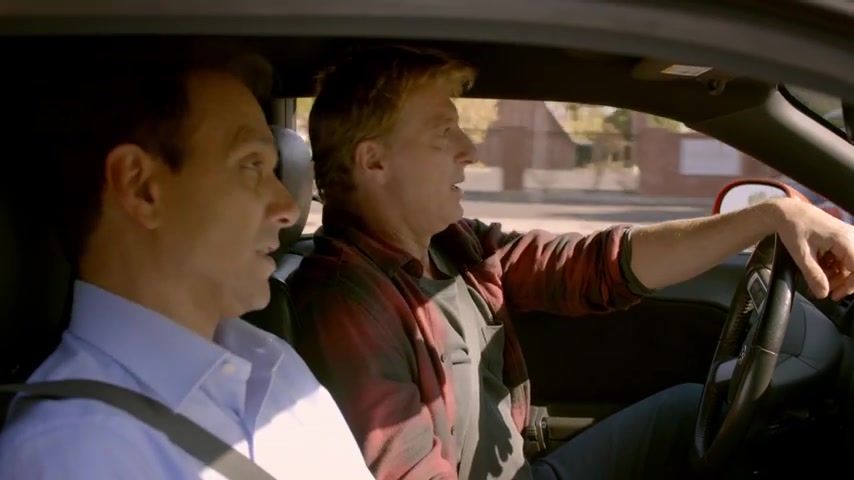

As we delve into the intricate narratives of *Big Sky*, we reach the penultimate installment of the first season, profoundly titled “Episode 9”. This chapter leaves no stone unturned, entwining suspense with revelations that satiate our desire for clarity amid chaos. The episode’s essence resonates with viewers—each twist and tone invokes an array of emotions that range from anticipation to shock. In this recap, we will dissect the pivotal moments and the undercurrents that supply the show’s pervasive allure.
First and foremost, it’s essential to recognize the intricate tapestry of character development woven throughout this episode. The plot thickens around the central figures, primarily focusing on the fervent determination of private detectives Cassie Dewell and Jenny Hoyt. Their relentless pursuit of the truth not only encapsulates the essence of the series but also reflects broader themes of justice and moral ambiguity. Viewers have noted this magnetism—how the protagonists often find themselves teetering on the brink of ethical dilemmas, inviting contemplation about the grey areas of justice that permeate our own lives.
The pacing of the episode plays a crucial role in maintaining a tight grip on viewer engagement. From the outset, the tension is palpable. Cassie and Jenny’s investigation takes them deeper into a web of secrets and lies that seem almost inescapable. Their relentless nature highlights a key observation often echoed by fans: the intersection of personal stakes and professional duty creates a riveting dynamic that compels viewers to root for their success, while simultaneously acknowledging the potential consequences of their interference.
One especially gripping scene occurs when the detectives confront a potential witness. The atmosphere is laden with trepidation, the stakes significantly elevated as they realize that the witness holds pivotal information. This moment not only heightens suspense but also serves as a poignant reminder of the fragility of human connection—the witness is caught in a maelstrom of fear and uncertainty, mirroring the internal conflicts that many people face when straddling the line between right and wrong. The emotional gravitas of the scene underscores why audiences are drawn to such narratives; they see reflections of themselves in these characters’ struggles.
Moreover, the episode artfully introduces new characters, enriching the existing dynamic. Each addition disrupts the status quo, forcing our protagonists to reevaluate their understanding of the case. One noteworthy character is a local who embodies the multifaceted nature of community loyalty and betrayal. His motivations are shrouded in ambiguity, allowing viewers to contemplate the complexities of trust in relationships. This exploration adds layers to the narrative, revealing that even seemingly straightforward situations can spiral into confounding moral quandaries.
As the episode unfolds, revelations about the missing girls emerge, leading to a frenetic sequence where time seems to stand still. The intensity of the chase brings forth adrenaline-pumping moments, underscoring the horror of the situation at hand. Here, the writing strikes a profound chord: the rush of discovery juxtaposes the somber reality of the characters’ circumstances. Fans have expressed a fascination with this juxtaposition—how moments of elation are tinged with despair, reminiscent of life itself, where joy and sorrow coexist in a delicate balance.
Cassie’s increasingly intuitive nature becomes increasingly apparent, as she begins to piece together clues that others may overlook. Her tenacity serves as a metaphor for hope in the face of adversity, further resonating with audiences who appreciate the resilience of the human spirit. This embodiment of hope is particularly salient in narratives focused on crime and justice, as viewers yearn for resolution amidst complexity. Cassie’s journey is not merely about solving a case; it’s also about finding purpose and direction in a world rife with obscurity.
The emotional weight; however, is not solely borne by the detectives. We also witness the profound impact on the families of the victims. The writers deftly navigate this emotional landscape, showcasing the varying stages of grief and despair. This multi-dimensional approach invites viewers to reflect on the ramifications of crime beyond the sensationalized narratives often portrayed in the media. While audiences are captivated by the thrill of the chase, there lies a deeper, almost contemplative engagement with the themes of loss and endurance.
The cinematography in this episode deserves particular mention. Each frame captures the sweeping beauty of the Montana landscape, creating a stark contrast to the bleakness of the narrative. This dichotomy amplifies the emotional stakes, giving depth to the story. The rugged terrain surrounding the characters serves as a constant reminder of the isolation they face—a metaphorical representation of their internal struggles. Nature, in its raw essence, becomes an unspoken character; it frames the protagonists’ journey, enhancing our understanding of their motivations.
In conclusion, *Big Sky* Season 1 Episode 9 encapsulates the myriad ways in which storytelling can resonate on multiple levels. With its rich character development, emotionally charged narratives, and visual artistry, the episode captures the essence of intrigue and compassion. It compels the audience to engage not only as spectators but as participants in the unfolding drama, fostering a sense of connection with the characters and their journeys. This deep connection is what makes the series a remarkable exploration of human nature amidst chaos, leaving viewers eagerly anticipating the climactic resolution that awaits in the final episode.
