
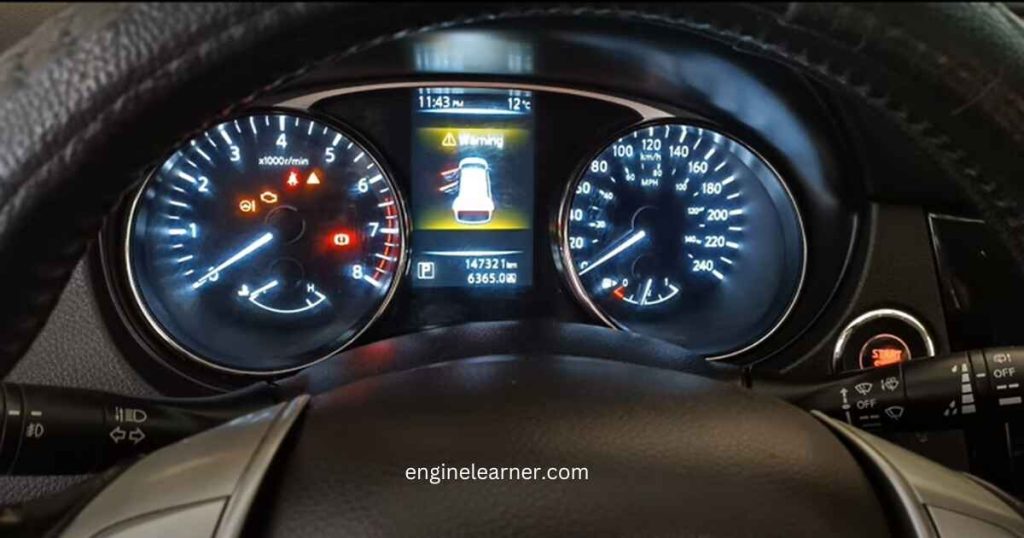

The blinking engine light is one of those automotive enigmas that can send even the most seasoned drivers into a spiral of anxiety. You’re cruising down the highway, the wind in your hair, when suddenly, the little light on your dashboard begins to dance like a disco ball. What does it mean? Why is it blinking? And more importantly, what should you do about it? Let’s embark on a quest to unravel this mystery, diving deep into the cryptic messages your vehicle is conveying.
First and foremost, it’s crucial to understand that a blinking engine light is a serious warning sign. Unlike a steady engine light, which might suggest a less urgent issue, a blinking light is akin to your car screaming for help. It typically indicates a severe problem, often linked to the engine’s misfiring. This misfiring can cause unburned fuel to be released into the exhaust system, leading to potential damage, heightened emissions, and compromised fuel efficiency.
Imagine your vehicle’s engine as a finely-tuned orchestra. Every cylinder, valve, and fuel injector must work harmoniously to produce that sweet melody of power and efficiency. When one part falls out of rhythm, such as when a spark plug fails, it disrupts the entire performance—resulting in an incomplete combustion process, hence the blinking light. But what causes these discrepancies in your car’s harmony?
First, consider the possibility of spark plug dysfunction. Spark plugs are the unsung heroes of your engine’s performance, responsible for igniting the air-fuel mixture that powers your vehicle. If a spark plug is worn out, damaged, or improperly gapped, it can lead to misfiring. The good news? Replacing spark plugs is a relatively straightforward task, though it’s vital to ensure the right plugs are selected to match your engine’s specifications.
Next on our exploration is the ignition coil. This component transforms the vehicle’s battery voltage into a level strong enough to spark the fuel and air mixture within the engine. If the ignition coil is malfunctioning, it can lead to misfires, ultimately triggering that blinking light. The unfortunate reality is that ignition coils, while vital, can also be rather fickle. A diagnostic check will reveal if this is the root of your distress.
However, like a good plot twist, misfires can also stem from fuel delivery issues. Fuel injectors are tasked with delivering the precise amount of fuel to each cylinder. If these injectors are clogged or malfunctioning, they can prevent the right quantity of fuel from entering the engine. As a result, your engine can sputter and misfire, inviting that ominous blinking light to appear. Cleaning or replacing these injectors can often restore order to your engine’s performance.
Another culprit to consider is the engine’s vacuum system. A vacuum leak can lead to an imbalanced air-fuel mixture, throwing the engine into disarray. Think of this as suddenly missing a few key instruments in our orchestra — the harmony is disrupted. Identifying vacuum leaks can be complex, requiring a keen ear and a few diagnostic tools, but addressing these leaks is essential for restoring your vehicle’s health.
Let’s not forget the role of sensors; your vehicle is equipped with a variety of sensors that continuously monitor its performance. From oxygen sensors to mass airflow sensors, each has a specific role in ensuring the engine operates efficiently. A malfunctioning sensor can relay incorrect information to the engine control module (ECM), resulting in misfires and a blinking engine light. Diagnostics will often pinpoint which sensors need attention.
So, what should you do if your engine light begins to blink? First things first, don’t ignore it. Continuing to drive could exacerbate any existing issues, potentially leading to more severe damage and costly repairs. Pull over safely and, if possible, switch off the engine. It’s advisable to allow it to cool down before giving it a quick inspection. Check the oil level and look for any unusual noises or smells.
Should you find yourself out of your depth, seeking the assistance of a professional mechanic is the best course of action. They possess the tools, knowledge, and experience to conduct a thorough diagnostic test. This can unveil the underlying issues that may not be immediately apparent. Remember, while the blinking light can seem alarming, it’s merely a prompt for proactive rather than reactive measures.
This experience can also be a learning moment, offering an insight into your vehicle’s inner workings. Many modern cars provide valuable feedback about their condition, empowering owners to be more attuned to maintenance needs. It’s an opportunity to deepen your understanding of automotive systems and foster a more proactive relationship with your vehicle.
Ultimately, a blinking engine light should not be a source of dread but rather an invitation to engage with your vehicle more mindfully. By taking prompt and informed action, you not only protect your investment but also cultivate a greater appreciation for the complexities of automotive engineering. Every blinking light carries a story, and it’s up to you to decode it and ensure that the symphony of your engine plays on without a hitch.
