
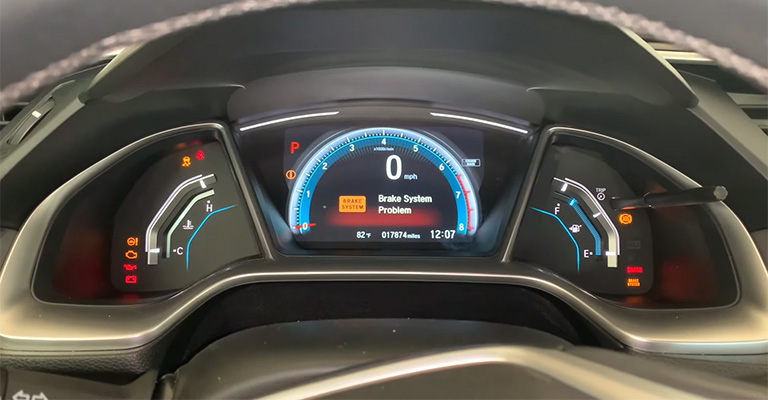

When it comes to the 2019 Honda Civic, performance and reliability are paramount for drivers. However, like any vehicle, it isn’t impervious to issues. Among these, the brake system demands particular attention. After all, the fitness of a car’s brakes is direly linked to both safety and performance. A meticulous brake check is not just a recommendation but a necessity.
Firstly, let’s address the fundamental components of the brake system. The Civic, like many modern vehicles, employs disc brakes on all four wheels, comprising calipers, rotors, and brake pads. This typical configuration offers superior stopping power; still, various factors can lead to brake anomalies. A symphony of mechanisms, the brake system is designed to offer seamless functionality when all components harmonize effectively.
However, as with any complex system, issues may arise. A pervasive complaint among 2019 Honda Civic owners is the concerning phenomenon of brake noise. Squeaking, grinding, or a mundane yet nagging rumble can signal something awry. Oftentimes, this is merely an indicator of worn-out brake pads. Over time, the brake pad material thins, leading to a metallic backing that grinds against the rotor, producing alarming soundscapes. Ignoring these noises is akin to turning a blind eye to an impending storm. If left unresolved, the potential for damage escalates, likely necessitating more extensive repairs.
In parallel, a soft brake pedal is another common grievance. Drivers may find that pressing down on the brake pedal requires an unfair amount of effort. Rather than feeling the reassuring response from the brakes, the pedal can sink almost to the floor, presenting a sense of trepidation every time one maneuvers the vehicle. This could stem from a deficiency in brake fluid or perhaps air trapped within the brake lines—a scenario that demands urgent rectification. Fluid levels should be routinely checked, and any leakages identified and addressed promptly to maintain optimal brake system efficacy.
Moreover, the issue of uneven brake wear is a subtle yet pivotal problem that can elude detection until it amplifies and ultimately jeopardizes safety. This phenomenon is often due to imbalanced calipers, or occasionally, it may result from a misalignment of the wheels. Affected components can become precariously strained, leading to an unanticipated lack of responsiveness. Observing the brake pads for asymmetric wear patterns can elucidate the issue and reveal whether a deeper examination is warranted.
Transitioning from wear and tears, let’s consider the aspect of brake fluid quality. The brake fluid should remain hydraulic, free of contamination, and adequately maintained throughout the vehicle’s lifecycle. Over time, the fluid can absorb moisture—an insidious process that compromises braking efficiency by lowering the boiling point of the fluid. If the brake fluid has not been changed in accordance with Honda’s maintenance schedule, it could result in diminished hydraulic pressure, which directly affects the vehicle’s braking power. Regular maintenance checks become crucial in ensuring fluid integrity.
Furthermore, a compelling point of discussion is the presence of an illuminated brake warning light on the dashboard. This warning can invite a plethora of stress. The light may indicate various underlying issues, from a simple need for brake pad replacement to more serious concerns involving the hydraulic system. The intricate web of technology within the Honda Civic includes a diagnostic system that monitors the health of the brake system. Thus, when the light flickers to life, it’s an invitation to delve deeper and investigate without delay.
Fueling the fascination that surrounds the 2019 Honda Civic is its blend of efficiency and performance. However, it’s crucial for drivers to recognize that this allure comes with responsibilities. Brake checks are not merely procedural tasks; they are integral to maintaining the integrity of the vehicle. Aside from the routine inspections, understanding the nuances of the brake system can empower owners. Knowledge of the potential pitfalls can lead to proactive measures—chasing away the specter of unexpected failures and ensuring a smooth driving experience.
Ultimately, in the landscape of automotive maintenance, few elements are as critical as the brake system. Drivers who cultivate a habit of vigilance—marked by regular checks, awareness of attention-grabbing sounds, and prompt response to any warning signals—position themselves as stewards of safety. Hence, the importance of addressing brake system problems cannot be overstated. Each sound, each sensation is not merely a quirk of the vehicle but rather an opportunity to foster an enduring bond with their Honda Civic.
In conclusion, safeguarding your braking system isn’t a matter of mere convenience; it is an investment in your vehicle’s future performance and, most importantly, your safety on the road. Emphasizing this diligent approach enhances not only your ownership experience but potentially prolongs the life of your 2019 Honda Civic’s dynamic brake system. So next time that brake check rolls around, remember: it’s not just a part of maintenance; it’s part of the journey.
