

Breastfeeding is a natural yet complex process that can be influenced by numerous factors including maternal health, infant needs, and lifestyle choices. One effective technique to increase milk supply is power pumping. This article will explore the nuances of power pumping, including strategies to optimize results before and after the process. By understanding the intricacies involved, you’ll be better equipped to navigate the challenges and joys of breastfeeding.
Understanding Power Pumping
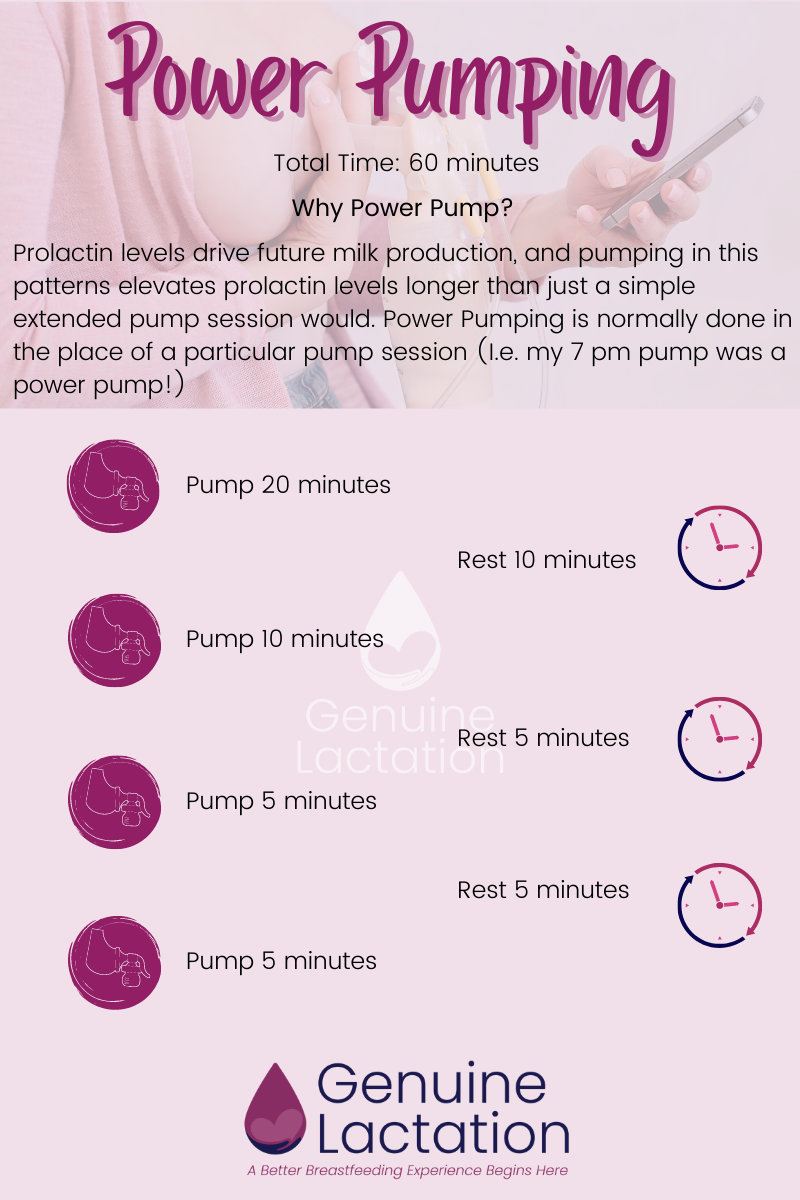
Power pumping is a breastfeeding technique that mimics the behavior of a cluster feeding infant. It involves pumping multiple times over the course of an hour to stimulate milk production effectively. Typically, this method comprises a cycle of 10 to 20 minutes of pumping followed by a short break. The rhythm is essential as it causes the breasts to receive the message that more milk is needed due to a perceived “demand.”
Preparation Before Power Pumping
Before embarking on your power pumping journey, certain preparations can enhance its effectiveness:
- Hydration is Key: Ensure you are well-hydrated. Water plays a vital role in milk production. Aim for at least 8-10 glasses of water each day, and consider herbal teas reputed for boosting lactation, such as fenugreek or blessed thistle.
- Nourish Your Body: A balanced diet rich in whole grains, healthy fats, and protein not only supports your overall health but can also enhance milk supply. Foods like oats, nuts, and leafy greens are particularly beneficial.
- Choose the Right Time: The timing of your power pumping sessions matters. Early mornings or late evenings tend to be when prolactin levels are at their peak, making them ideal times for efficient milk expression.
Setting the Scene
Creating a comfortable, stress-free environment can significantly influence your pumping sessions. Consider the following:
- Comfortable Seating: Utilize a supportive chair with proper back support. Adding pillows can provide extra comfort, especially during extended pumping periods.
- Gather Essentials: Have all your pumping supplies nearby, including your breast pump, bottles, and any snacks or beverages you may need.
- Distraction Techniques: Some mothers find it helpful to engage in relaxing activities like reading, listening to music, or even meditating to minimize stress during pumping sessions.
Executing the Power Pump
Once you’ve prepared adequately, it’s time to begin your power pumping session. Follow this protocol:
- Start the Cycle: Pump for 20 minutes to stimulate milk flow. Don’t be disheartened if it takes some time for the milk to start flowing; this is natural.
- Short Break: Take a 10-minute break. This allows your body to respond and prepare for the next pumping interval.
- Repeat: Continue this cycle for an hour. Most mothers engage in 4 or 5 cycles to achieve optimal results.
Post-Pumping Practices
After completing a power pumping session, ample care is required to ensure recovery and continued milk production:
- Rest and Recover: Physical exertion, including pumping, can be taxing. Allow yourself a moment to rest, drink water, and relax.
- Breast Care: Pay attention to your breasts post-pumping. Moisturize if your skin feels dry, and consider using warm compresses or gentle massages to relieve any discomfort.
- Monitor Milk Production: Keep track of your output. Consistent monitoring can help you assess whether power pumping is effectively increasing your milk supply.
Expected Outcomes: Power Pumping Results
Upon implementing power pumping into your breastfeeding routine, you may notice several changes:
- Increased Milk Supply: Regular power pumping can lead to a higher overall milk production, providing you with a surplus that can ease feeding anxieties.
- Improved Confidence: As you begin to see the fruits of your labor, you may experience increased confidence in your breastfeeding journey.
- Better Feeding Sessions: Greater milk supply can translate into more satisfying feeding sessions for your baby, reducing fussiness and increasing the bond between you and your child.
Potential Challenges
While power pumping offers many benefits, challenges can arise:
- Physical Discomfort: Over-pumping can lead to soreness or engorgement. Listen to your body and adjust your approach as necessary.
- Time Commitment: The process is time-intensive. Schedule your pumping sessions into your day thoughtfully to avoid added stress.
- Frustration with Results: Not all mothers will see significant increases in supply immediately. Remain patient and maintain communication with healthcare professionals if concerns persist.
Conclusion
Power pumping can be a powerful ally for breastfeeding mothers aiming to increase their milk supply. By preparing adequately, creating a conducive environment, and following through the steps diligently, you can optimize your chances for success. Each mother’s experience is unique, so stay attuned to your body’s signals and be gentle with yourself throughout the journey. The goal is to nurture and support both you and your baby, fostering a nourishing breastfeeding experience.
