
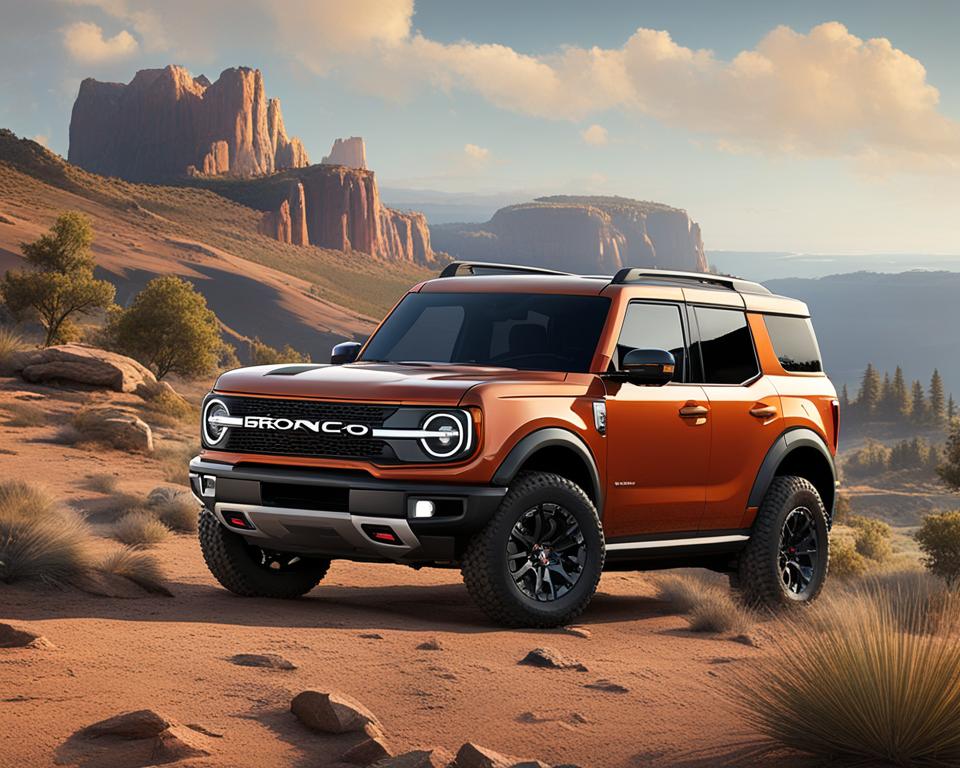

When it comes to rugged vehicles that evoke a sense of adventure, two names leap to the forefront: the Ford Bronco and its pint-sized sibling, the Bronco Sport. Each model is cloaked in the spirit of exploration, but there are significant differences that delineate their capabilities, designs, and intended uses. Buckle up as we navigate the winding road through the intricacies of these two iconic vehicles, shedding light on their distinct personalities and inherent strengths.
To fully appreciate the Bronco and Bronco Sport, we must first consider their origins. The original Bronco was conceived in the early 1960s, designed to be a versatile off-roader, capable of tackling challenging terrains while providing a comfortable ride for everyday use. Decades later, the Bronco has been reimagined for a new generation, blending that nostalgic ruggedness with modern technology and style.
On the flip side, the Bronco Sport is a relative newcomer. Designed to cater to a different kind of adventurer, the Sport emphasizes compact utility while still celebrating the Bronco’s off-road legacy. It paves a path for those who crave the Bronco charm but prefer a more urban-friendly vehicle that can still handle the occasional foray into the wild.
When it comes to size, this is where the distinctions begin to take shape. The Bronco is a larger, more robust entity. It boasts a solid frame and a broadly muscular stance that signifies its readiness to conquer formidable landscapes. The wheelbase is considerably longer than that of the Sport, granting it superior stability and an expansive cargo area—perfect for those weekend camping trips or lengthy road journeys.
Conversely, the Bronco Sport adopts a more compact demeanor. While it still retains the bold design elements that characterize the Bronco lineage, its shorter wheelbase renders it more agile and adept in tight urban environments. This makes the Sport an appealing choice for city dwellers who don’t want to sacrifice style for functionality. The size difference clearly delineates the passionate off-roader from the practical commuter.
Under the hood, the engine options serve as another critical differentiator. The traditional Bronco offers a robust range of powertrains, including a formidable V6 and a turbocharged four-cylinder engine, both delivering impressive horsepower and torque. This versatility ensures that the Bronco can tackle even the most arduous off-road challenges, like steep ascents and muddy terrains.
Meanwhile, the Bronco Sport prioritizes efficiency without completely compromising power. It features smaller yet efficient engines that produce ample horsepower for daily driving and light off-roading. The Bronco Sport may not have the ferocity of its larger counterpart, but it deftly balances performance with practicality, making it an excellent option for those who want adventure without excessive bulk.
As we dive deeper, let’s explore the capabilities that separate these two vehicles in terms of off-road prowess. The Bronco is engineered for hardcore off-road enthusiasts. Its advanced four-wheel-drive system, coupled with options for locking differentials and impressive ground clearance, empower drivers to take on rocky trails, deep snow, and steep slopes with confidence. It is an off-road behemoth, meticulously designed to conquer nature’s obstacles.
On the other hand, the Bronco Sport comes equipped with its own variation of off-road technologies, including the G.O.A.T. (Goes Over Any Type of Terrain) Modes, which allow drivers to select settings tailored to specific conditions, such as mud ruts, sand, or snow. While it might not rival the Bronco in terms of extreme off-road capability, it offers a commendable balance for casual adventurers and weekend explorers who don’t need to negotiate the wildest trails.
Aesthetically, the two models also diverge in their branding. The Bronco embodies the quintessential ruggedness of a traditional 4×4, with muscular proportions and a commanding presence that makes it an unabashed statement on the road. Its removable roof and doors provide a summer-ready vibe, allowing an outdoor experience that hearkens back to the model’s adventurous roots.
The Bronco Sport, while exhibiting a rugged charm, leans more towards a contemporary aesthetic. With its streamlined curves and urban-inspired design, it appeals to a wider demographic—including those who prioritize style in an everyday context. It’s visually approachable, without losing that sense of adventure that Ford has nurtured through the decades.
So, which vehicle ultimately reigns supreme? The answer largely hinges on your personal needs and lifestyle. For hardcore off-road enthusiasts, the Bronco stands as a resolute champion, ready to tackle the toughest terrains while offering a robust and spacious interior for both passengers and equipment. It promises a raw, immersive connection with nature, beckoning adventurous souls to embark on grand escapades.
On the other hand, if your adventures lean more towards the practical and urban sphere, the Bronco Sport is a compelling option. It combines the Bronco spirit with urban functionality, making it a solid choice for those navigating city streets yet yearning for weekend retreats in nature. It serves as a versatile companion, proving that an adventurous spirit does not necessarily have to come in an imposing package.
Ultimately, the battle between the Bronco and Bronco Sport is not merely a contest of specifications; it’s a reflection of differing lifestyles and expectations. The authentic Bronco respects the need for power and performance, while the Sport pays homage to practicality and everyday usability. Understanding these distinctions can provide potential buyers with a profound appreciation for what each vehicle offers, thus guiding them toward making an informed decision that complements their unique journey.
In conclusion, whether you choose the rugged Bronco or the pragmatic Bronco Sport, you’re aligning yourself with a legacy of outdoor adventure and bold exploration. Each vehicle carries its distinct promise, empowering drivers to carve their own paths—both on and off the beaten trail. Adventure awaits! So which one will you take on your next journey?
