
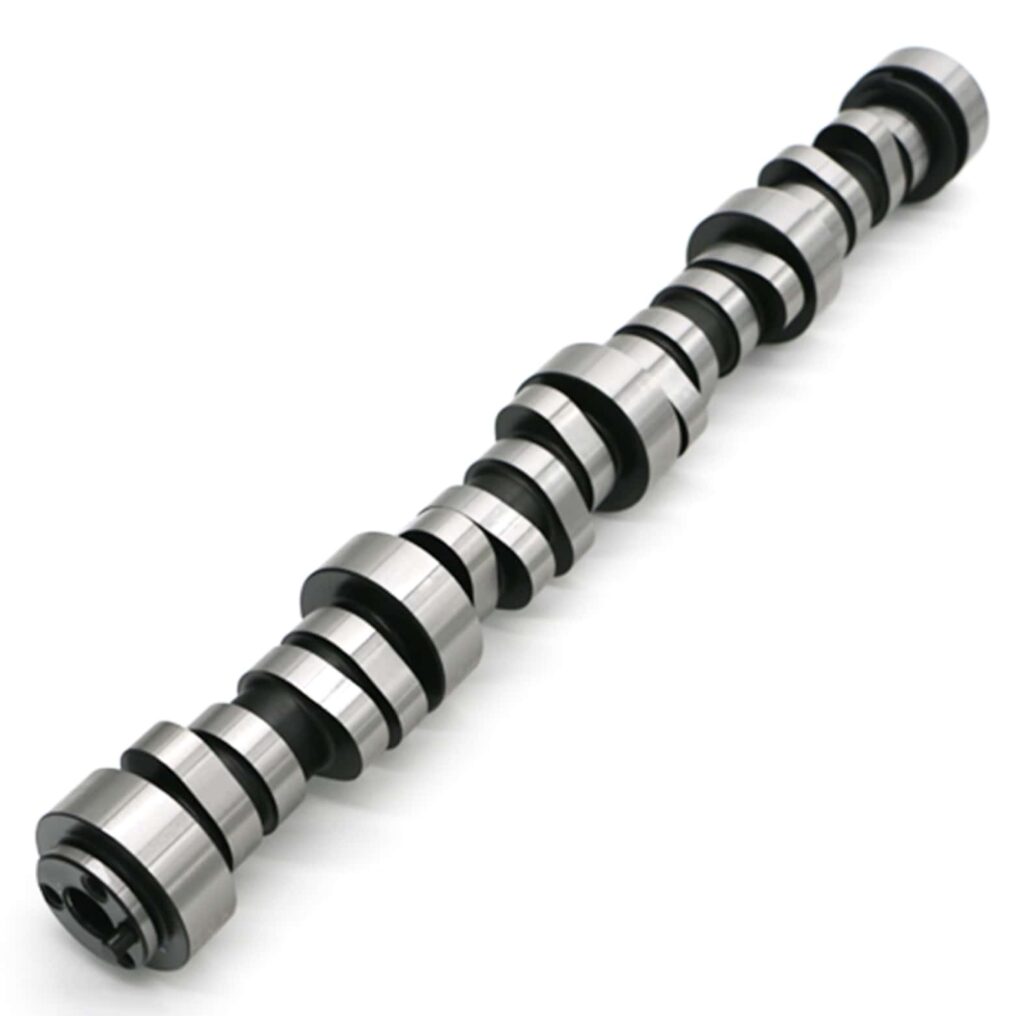

When it comes to enhancing the performance of an engine, camshafts often emerge as a focal point of intrigue. The question lingers on the minds of car enthusiasts and mechanics alike: how much horsepower does a cam truly add? To answer this, we must first delve into the role of the camshaft and how its characteristics influence engine behavior.
In the simplest terms, a camshaft is a pivotal component of an engine that controls the timing and duration of the valve openings. It works in tandem with the pistons, creating the rhythm of combustion. The camshaft is the conductor of the engine’s musical ensemble, and its nuances can dramatically affect performance metrics, particularly horsepower. But what does that really mean in practical terms?
To gauge the horsepower gains from a camshaft upgrade, it is essential to consider several variables. First, the cam profile plays a crucial role. Cam profiles differ significantly, altering the engine’s breathing characteristics. A performance cam, for instance, typically possesses increased lift and duration compared to a stock camshaft. These enhancements can allow more air and fuel into the combustion chamber, effectively unleashing more power.
Understanding valve lift is essential. The greater the lift, the more air can enter the engine during the intake stroke. However, additional lift must be balanced against the engine’s overall design. Too much lift can lead to issues such as valve float at high RPMs, which can diminish performance rather than enhance it. In essence, the art of selecting the right camshaft lies in achieving a synergetic relationship with the engine’s existing components.
Next, one must consider the duration of the cam. This term refers to the time the valve remains open during the engine cycle. A cam with higher duration will offer improved airflow at high RPMs but may compromise low-end torque, leading to a different driving experience. Many enthusiasts seek a compromise between usability and performance, often leading to a pendulum swing toward higher RPM power at the expense of streetability. Knowledge of the intended application—whether it be street driving, drag racing, or track performance—is paramount when making these decisions.
Furthermore, interacting with the camshaft is a range of engine tuning factors, including fuel delivery systems, intake manifolds, and exhaust configurations. High-performance camshafts shine when paired with complimentary modifications. For example, a high-flow intake manifold and an upgraded exhaust system can significantly amplify the effects of a new cam, with some enthusiasts reporting gains of up to 30-40 horsepower or more depending on the extent of the modifications.
Of course, it’s prudent to take into account the engine displacement and type. A 5.0-liter V8 will typically respond differently to a cam optimization than a turbocharged inline-four. Engine calibration, timing adjustments, and supporting modifications all dance in meticulous harmony with the camshaft’s specifications. Modifications of this nature usually necessitate a re-tune to maximize the benefits and achieve the desired power output.
In exploring the horsepower specifics, it’s also vital to investigate the context of dyno tests. These tests are conducted in controlled environments with precise measurements. They provide a tangible representation of the enhancements an altered cam can deliver. It’s not uncommon for aftermarket cam upgrades to produce notable boosts, with gains often cited in the range of 10 to 40 additional horsepower, depending on the setup and specific configuration.
But curiosity doesn’t stop there. Beyond the numbers lies a world of consequence regarding sound and drivability. Performance cams tend to alter the auditory signature of an engine. The burble that emanates from the exhaust gives a sense of automotive vitality, marking a departure from the mundane. This distinct sound can be intoxicating, transforming an ordinary drive into a visceral experience.
Moreover, using a camshaft may necessitate additional components such as stronger valve springs and more robust pushrods to prevent failures. Optimizing these components becomes essential in pursuit of reliability and performance lifespan. Therefore, the conversation extends beyond power gains—reliability and longevity must be addressed in the quest for a high-performing engine.
Another often underappreciated aspect is the need for expert installation. While some DIY enthusiasts relish the challenge, the precision required to install a camshaft is best left to seasoned professionals. Any misalignment can lead to a host of problems, from mere performance loss to catastrophic engine failure, underscoring the importance of craftsmanship in the engine optimization realm.
Finally, it’s essential to embrace the exquisite balance between power and control. Higher horsepower correlates with faster speeds, but it also entails navigating greater responsibilities. Mastery of the vehicle’s dynamics becomes paramount as power is increased. A well-engineered setup not only promises augmentation in horsepower but ensures that the driver remains connected and in command.
In conclusion, the question of how much horsepower a camshaft adds is one that harbors more nuance than simply a number. It encompasses a wide array of factors from cam profile, engine type, supporting modifications, and tuning. The journey doesn’t end with the installation of a performance cam but continues into the realms of integration and adaptation, ultimately forging an extraordinary experience on the tarmac. So, whether you are a seasoned aficionado or a curious newcomer, remember that the path to enhanced horsepower is as much about understanding the fundamentals as it is about redefining the driving experience itself.
