
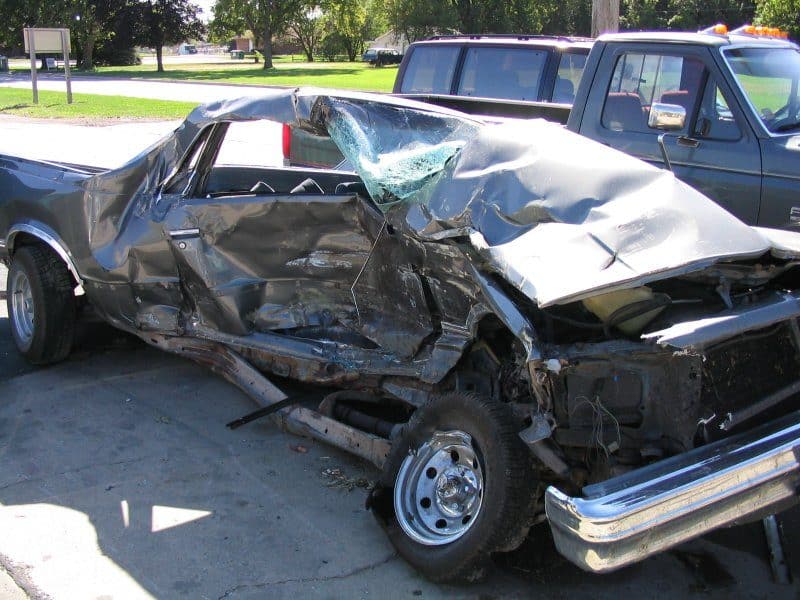

Picture this: you’ve just received the news that your beloved vehicle has been declared “totaled” after a catastrophic accident. Your heart sinks as you mourn the loss of your trusty chariot. But here’s a playful question: can you keep your totaled car in Texas? While the answer might seem straightforward, the nuances of Texas law—and the inner workings of insurance companies—present a perplexing challenge.
First, let’s clarify what it means for a car to be considered “totaled.” In Texas, a car is deemed totaled when the cost to repair it exceeds its actual cash value (ACV) before the accident. The ACV is determined by various factors, including the car’s age, condition, and market demand. So, if your car meets this threshold, you might be pondering the possibilities of retaining it. But is that as simple as it sounds?
When your insurance company decides your vehicle is totaled, they typically issue a settlement offer based on the car’s ACV. At this juncture, one crucial detail comes into play: if you accept the settlement, you usually have to relinquish ownership of the vehicle. However, here is where the intricacies arise: many people are unaware that Texas law allows you to retain your car even after it’s deemed totaled, provided you fulfill certain obligations.
To keep your totaled car, you must formally notify your insurance company of your intent to retain it. This process often involves negotiating a “salvage value,” which is essentially the amount the insurance company would deduct from your settlement for allowing you to keep the wreck. This fee varies and depends largely on the condition of the vehicle and market evaluations.
But wait—what does keeping a totaled car entail? Retaining your vehicle may allow emotional attachment to triumph over purely financial considerations. Perhaps the car harbors cherished memories of road trips or family outings. However, you must also grapple with the reality of driving a vehicle classified as a total loss. Legal ramifications must not be overlooked.
If you choose to retain your totaled vehicle, you’ll need to ensure that it is properly titled and registered. Texas requires that any repaired or salvaged vehicles be issued a rebuilt title. This declaration provides transparency regarding the car’s history and is vital if you plan to sell it in the future. Keep in mind that vehicles with rebuilt titles may be less appealing to future buyers, as the stigma attached to a “totaled” designation could linger.
Moreover, owning a salvaged car can pose challenges in terms of insurance. Finding an insurer willing to provide comprehensive coverage for a vehicle with a rebuilt title may prove daunting. Premiums for such vehicles are often higher, as insurers view them as higher risk. Conversely, liability coverage is typically more accessible. Therefore, it’s prudent to shop around for the best insurance rates and terms tailored to your specific situation.
Now let’s tackle a common dilemma: should you keep your car or accept the insurance payout? Financially, it often boils down to how much you are willing to invest into repairs. If the car’s sentimental value outweighs the repair costs, retaining it can be a worthwhile pursuit. Conversely, if the vehicle requires extensive work and presents a significant financial burden, cashing out might be the more pragmatic option.
What about the emotional aspect? Cars are more than mere objects; they often hold personal significance. The decision to keep a totaled car may come down to how you envision your life moving forward. Would you rather see it languishing in a junkyard, or do you prefer the idea of resurrecting it? This is where the heart often vies with reason in a passionate tug-of-war.
As you ponder your options, take some time to evaluate the repairs that a totaled car would need. Consulting with a trusted mechanic can provide insight into what’s salvageable and what isn’t. Remember that the realm of repair can be unpredictable. What starts as a minor sodality can escalate into an extensive cost.
While keeping a totaled car might be achievable, you should also consider the responsibilities that accompany this decision. From ensuring precautionary measures for road safety to the legalities of owning a salvaged vehicle, there’s much to examine. Don’t underestimate the importance of thorough research before embarking on this journey.
In short, the answer to the question, “Can I keep my totaled car in Texas?” is yes, but with caveats. You may need to navigate complicated waters to retain ownership of your damaged ride. By understanding the implications of your choices, weighing emotional attachments versus financial considerations, and preparing for the realities of owning a salvaged vehicle, you can make a decision that aligns with your values and circumstances.
Ultimately, life is filled with choices—keeping that totaled car might just be the start of a new chapter. Whether it becomes a project car, a reminder of the past, or a classic relic waiting for a thoughtful restoration, your journey with your vehicle is far from over. The chapters are yours to write, so choose wisely and drive into your future with intention.
