
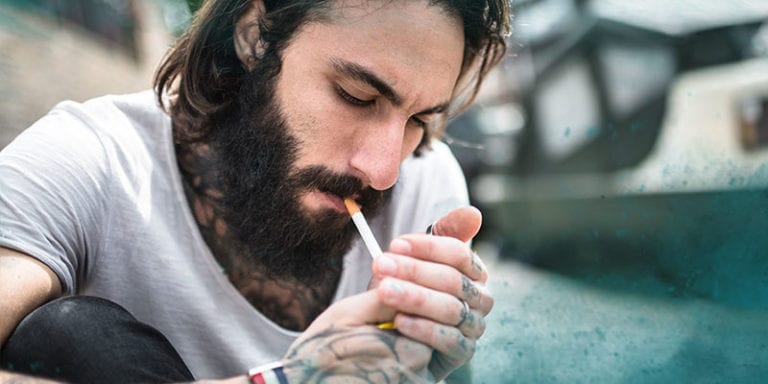

Getting a tattoo is a momentous occasion for many individuals, marking personal milestones, memorializing experiences, or simply embracing art on the body. After the needle has finished its intricate work, however, a flurry of questions often arises. One inquiry that is both common and intriguing is the relationship between smoking weed and post-tattoo care. Can indulging in a little cannabis interfere with the healing process of a newly inked design? This conversation intertwines practicality with cultural observations, embodying a fascination that reflects broader trends and lifestyle choices.
Firstly, it’s important to acknowledge the physiological aspects related to both tattooing and cannabis consumption. Tattoos essentially involve the introduction of ink beneath the skin’s surface, creating a form of micro-trauma. The body then reacts with a robust healing process, where various biological systems engage in repair, inflammation, and eventually, skin renewal. Cannabis, particularly marijuana, is often revered for its analgesic properties, which can be appealing immediately after a painful tattoo session. But, the question remains: Is it wise to partake in cannabis shortly after completing a tattoo?
To consider this, one must explore the components of both tattooing and cannabis. THC, the psychoactive compound prevalent in marijuana, can influence various bodily functions. While many users report that cannabis alleviates pain and induces relaxation, it also has a propensity to elevate heart rate and induce feelings of anxiety in some individuals. In a delicate healing state post-tattoo, can these physiological shifts mitigate the body’s natural recovery processes? While there’s no definitive scientific verdict, anecdotal accounts suggest that moderation is key.
For many, smoking weed can provide a euphoric sense of comfort, a coveted escape that often transforms the post-tattoo ordeal into a more pleasant experience. However, inhaling smoke, regardless of its source, introduces additional variables. Smoke contains various irritants and toxins that may exacerbate inflammation, potentially complicating the healing process. Skin irritability due to environmental factors could compromise the integrity of the healing tattoo, leading to unwanted outcomes.
Furthermore, cannabis consumption can impact hydration levels. For optimal healing, the body requires sufficient hydration to support skin regeneration. A side effect of marijuana use can be dryness, particularly in the mouth (a condition known as “cottonmouth”). This dehydration can manifest intrusively, counteracting the body’s efforts to heal effectively. Consequently, indulging in cannabis may inadvertently lead to a less than ideal healing environment for newly inked skin.
So, should one abandon the idea of enjoying cannabis altogether after getting a tattoo? Not necessarily. There is a nuanced approach that can cater to individual experiences. Individuals who are well-acquainted with both tattoo healing and cannabis consumption might navigate this terrain adeptly, allowing for informed decisions that resonate with their bodies. It may be prudent to wait for at least a few days post-tattoo—giving the skin a chance to begin healing properly—before reintroducing any cannabis consumption. This waiting period can foster awareness of how the body reacts to both the tattoo and any substances being consumed.
Moreover, alternatives to smoking might be more beneficial. Edibles, tinctures, or vaporizers provide methods of consumption that do not involve inhaling smoke. For those who enjoy the mellow effects of cannabis, these alternatives may offer the relaxation needed without the concomitant irritants associated with smoking. This reimagining of cannabis consumption underscores a progressive perspective that emphasizes wellness in tandem with indulgence.
On a broader cultural level, the intersection of tattooing and cannabis usage speaks volumes about contemporary societal trends. Both practices are deeply entrenched in modern self-expression and individualism. Examining the reasons behind this fascination offers subtle insights into the psyche of contemporary life. The ritualistic aspects of both tattooing and cannabis consumption can cultivate a sense of community, rebellion, and artistic engagement. Social circles often fuse these experiences, crafting narratives that go beyond simple preferences.
There’s also a noteworthy psychological dimension to consider. Tattoos represent stories, journeys, and identities. Cannabis, too, is often embraced for its role in fostering creativity and self-reflection. This common thread of introspection can pave the way for richer conversations about health, wellness, and individual expression. Hence, it’s not just about the act of smoking weed post-tattoo; it’s about recognizing the narrative that unfolds around such experiences. The intertwining of these encounters is driven by personal choice, responsibility, and awareness of consequences, both immediate and long-term.
Ultimately, the decision to smoke weed following a tattoo is multi-faceted and deeply personal. Striking a harmonious balance between compassion for one’s body and the enjoyment of life’s pleasures is certainly attainable. The key lies in fostering mindfulness, maintaining hydration, and respecting the tattoo as both a piece of art and a wound needing care. As with many aspects of life, acknowledging the delicate dance between indulgence and wellness can lead to a richer appreciation of the journey—whether it involves inking skin or sparking up a bit of cannabis.
