
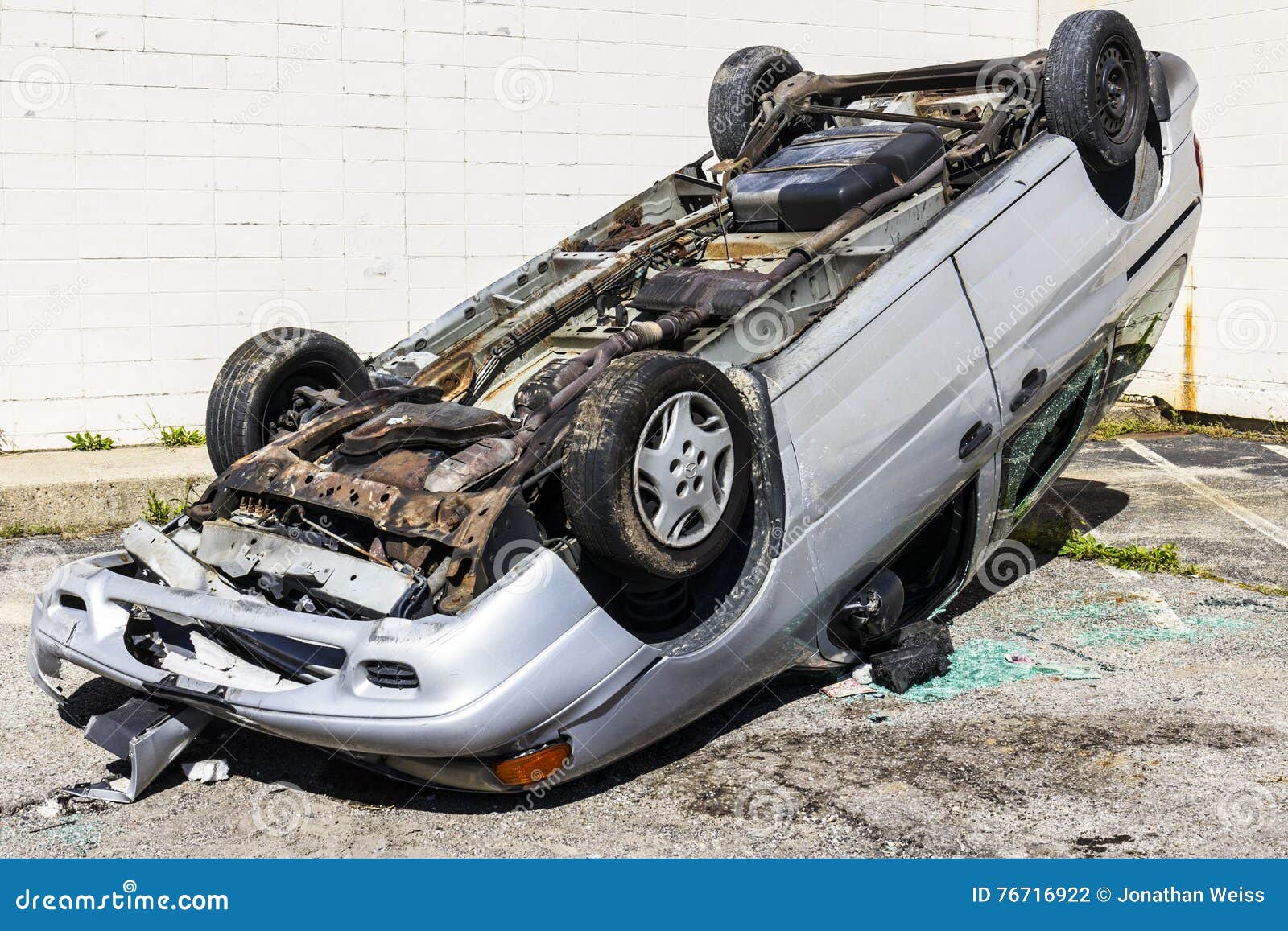

When an unexpected calamity befalls your vehicle, leaving it crumpled and lifeless, it can feel akin to a shipwreck—a once reliable mode of transport, now a mangled heap of metal. The emotional impact of such an event can be overwhelming, especially if the collision was caused by a driver under the influence. The pressing question looms: Can I sue the driver who totaled my car? The answer is multifaceted and requires a careful exploration of legal principles, emotional ramifications, and the often complex dance of insurance claims.
Picture your car as a trusted companion, one that has faithfully carried you through countless journeys. The bond between you and your vehicle extends beyond mere functionality; it encompasses memories, freedom, and sometimes, a sense of identity. When that companion is damaged, especially through the recklessness of another, it provokes a visceral reaction. The aftermath of a car accident is not solely about metal and machinery; it encompasses feelings of betrayal, anger, and the desire for accountability. The crux of the matter is understanding whether that accountability can be pursued through legal means.
The first step in determining whether you can take legal action against the driver who caused the accident is to assess the liability. Was the other driver at fault? In most cases, if the driver was intoxicated, they bear a substantial share of responsibility. Driving under the influence is not just a traffic violation; it is a profound disregard for the safety of others. The law tends to view such negligence harshly, and in jurisdictions across the United States, it can serve as a strong foundation for a personal injury lawsuit.
However, establishing fault is merely the beginning. Consider the nuanced web of legal principles that come into play when seeking compensation. The process is akin to navigating a labyrinth—each turn and twist revealing different factors that influence the overall pathway to justice. This includes gathering evidence, which can significantly bolster your case. Photographs from the scene, witness testimonies, and police reports can serve as vital pieces of the puzzle. Without them, your case may lack the momentum needed to propel it forward.
Once liability is established, the next question is what damages you can claim. In cases involving a totaled vehicle, damages may include the cost of repairs or the fair market value of your vehicle before the accident. However, the discussion does not end there. Emotional distress, loss of use, and even punitive damages may be avenues worth exploring in a lawsuit against a drunk driver. Each of these claims introduces a new layer of complexity, demanding diligent consideration and expert legal counsel.
Equally important is understanding the time limitations that govern filing a lawsuit, known as the statute of limitations. This legal clock begins ticking from the moment of the accident, and each state has its own timeframe within which a lawsuit must be initiated. Failing to act within this boundary can extinguish your right to seek redress, turning what could have been a legitimate claim into a quagmire of lost opportunity.
Legal representation becomes invaluable during this process. An experienced attorney well-versed in personal injury law can translate the often arcane legal terminology into actionable steps, rendering the journey from chaos to clarity. They can help you to evaluate your case, prepare compelling arguments, and, if necessary, represent you in court. It’s essential to have someone in your corner, navigating the tumultuous waters of legal proceedings with you, steering towards the shores of potential compensation.
Moreover, it’s worth noting that not all avenues of recourse require a courtroom battle. Engaging with the other driver’s insurance company might yield satisfactory results. Often, insurers will settle out of court to avoid the expenses associated with litigation. Yet, this approach is not without risks. Accepting a quick settlement may seem tempting, but it’s crucial to ascertain that the offer covers all your damages adequately. Rushing to accept a settlement might leave you lamenting what could have been if you had opted for a more calculated approach.
The emotional aspect of this journey cannot be overlooked. Beyond the financial implications, a car accident—especially one involving a drunk driver—can ripple through your life in profound ways. The anxiety of getting back on the road, the frustration of dealing with insurance claims, and the anger toward the other driver can manifest in myriad ways. It’s essential to acknowledge these feelings, allowing them a rightful space in the healing process while you pursue any legal avenues. Seeking support, whether through friends, family, or professional counseling, can aid in processing these emotions, transforming them from burdens into building blocks for recovery.
Ultimately, pursuing a lawsuit against the driver who totaled your car can be transformative—a quest for justice, accountability, and, perhaps, closure. The journey may be fraught with challenges, yet it could lead to a meaningful resolution. Remember, in the legal arena, your experience is not merely a personal narrative; it’s part of a broader dialogue about responsibility, safety, and the need for vigilance on our roads. As you navigate this path, arm yourself with knowledge, support, and a steadfast commitment to reclaiming your agency. The road to reclaiming your life after such a traumatic event may be lengthy, but with the proper guidance, it can also be a journey toward empowerment and renewed hope.
