
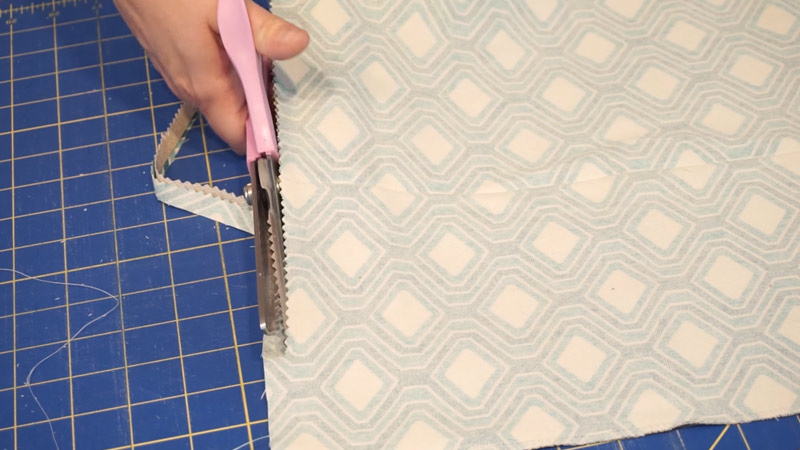

When it comes to working with fabric, few materials are as versatile and ubiquitous as polyester. This synthetic wonder has stormed through the textile industry, becoming a staple in clothing, home furnishings, and various craft projects. However, if you’ve ever attempted to cut polyester, you might have noticed an unnerving tendency for the edges to fray. This phenomenon can be frustrating for crafters and sewists alike. So, the burning question remains: can you cut polyester without it fraying? Let’s delve into this topic to uncover strategies that promise to put your mind at ease.
First, let’s understand why polyester frays. Unlike silk or cotton, the synthetic fibers of polyester are incredibly resilient and tend to unravel when cut. This unruly behavior stems from its filament structure and the way the fibers are intertwined. When you make a clean cut, you risk disturbing this delicate balance, leading to unsightly frayed edges that can ruin the aesthetic of your project. Yet, there are methods to tame this uncooperative material, and they often involve a combination of cutting techniques and treatments.
One of the most effective ways to cut polyester without experiencing fraying is to utilize the right tools. A pair of sharp fabric scissors or rotary cutters are indispensable. Dull blades can create uneven cuts, exacerbating the fraying issue. Moreover, using scissors designed specifically for fabric will minimize the risk of the edges unraveling. Remember, the cleaner the cut, the less likely you are to encounter fraying.
Another intriguing alternative involves using a hot cutting technique. This method entails utilizing a heated blade or a special device known as a hot knife. When the blade is heated, it effectively melts the edges of the fabric as you cut, creating a finished edge that resists fraying. This approach is particularly beneficial for those working with larger pieces of polyester fabric where clean edges can mean the difference between a flawless finish and a frustratingly messy project.
For those who prefer a more hands-on approach, there is the option of sealing the edges with various treatments. One can apply fabric sealants, which are often available in spray or liquid form. These coatings work by chemically bonding the fibers at the edges of the fabric, preventing fraying. This technique is particularly useful for appliqués or projects where edges will not be sewn or hemmed. While the application process may seem tedious, the results are well worth the effort as it provides a professional touch and longevity to your piece.
Sewing is another effective solution. By completing a simple stitch along the edges of the cut polyester, you can create an effective barrier that prevents fraying. A zigzag stitch or a serger seam are excellent choices for this, providing both internal structure and an aesthetically pleasing finish. Moreover, sewing strips of bias tape along the edges can create a binding that adds style while safeguarding against frays. This technique speaks to the artistic capabilities within sewing, as it allows for creativity to shine through while also addressing the practical concerns of working with polyester.
Still, some may wonder about the implications of frayed edges in specific applications. Should you embrace fraying as an artistic choice? In certain contexts, intentional fraying can lend a bohemian or rustic feel to your projects. This trend has gained traction among certain demographics, where raw edges are seen as stylish and edgy rather than sloppy. Thus, while conventional wisdom may urge you to eliminate fraying, contemporary design often embraces the imperfect. So perhaps, instead of worrying about every stray fiber, allow the fabric to speak to your creative vision.
Furthermore, an understanding of fabric grain can bolster your abilities to cut polyester effectively. Each piece of fabric has a unique grain that influences how it behaves when cut. Observing the grain can prevent unexpected fraying, as cutting against the grain can destabilize the structure of the fabric. Always ensure you are cutting with the grain in mind, thus minimizing the potential for fraying and ensuring a better result overall.
For newcomers to the world of polyester projects, embracing the nuances of the fabric can be fascinating. Yes, polyester has a reputation for fraying when cut, but rather than allowing this to deter you from using this exciting fabric, think of it as a challenge. Each cutting method, whether it be through sharp scissors, hot cutting, or sewing, empowers you to engage with the material intelligently and creatively. Even the most seasoned sewists continue to learn new methods and refine their techniques as they explore the multifaceted world of textiles.
Polyester can truly be a remarkable fabric when approached with the right knowledge and techniques. Instead of fearing frayed edges, see the potential they represent for enhancing your creative projects. Adopting a proactive stance on how to manage the material will not only elevate your craftsmanship but also expand your understanding of fabric dynamics. So, dive in boldly, armed with a wealth of techniques and a transformative perspective, and watch your polyester projects flourish more than ever before.
